
How Do I Teach Basic Commands to My Dog?
Teaching basic commands builds communication, safety, and trust between you and your dog. The keys are short, fun sessions, clear cues, and consistent rewards so your dog understands which behaviors “pay off.” Start in a quiet area with tiny treats, then gradually add distractions as your dog improves.
Foundations: Rewards, Timing, and Sessions
Pick a small, tasty reward (tiny bits of soft treats or kibble) and a clear marker like “Yes!” or a clicker to tell your dog the exact moment they did something right. Reward immediately after the desired behavior so your dog can connect the action and the treat. Keep training sessions 3–5 minutes, 2–4 times a day, ending on an easy success to keep your dog eager for more.
Teaching “Sit”
Hold a treat to your dog’s nose and slowly move it up and back over their head; as their nose follows, their rear typically drops into a sit. The moment their butt hits the floor, say your marker (“Yes!”) and give the treat. After several repetitions, add the word “Sit” just before you lure, then gradually fade the hand lure so your dog can sit on the verbal cue and a simple hand signal.
Teaching “Down” (Lie Down)
From a sit, place a treat at your dog’s nose and lower it straight down to the floor, then slowly out along the ground between their front paws. As they follow the treat and their elbows touch the floor, mark and reward. Add the cue “Down” once they reliably follow the lure, and practice on soft surfaces first, since many dogs dislike hard or cold floors.
Teaching “Stay”
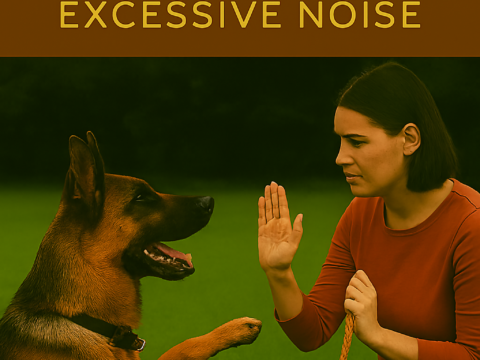
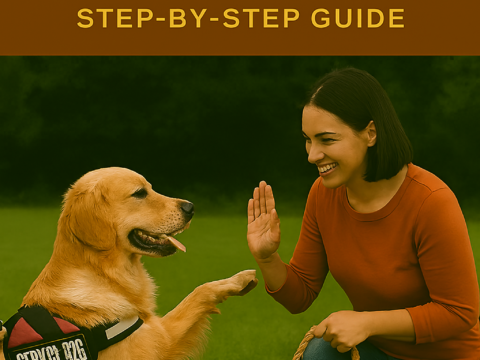
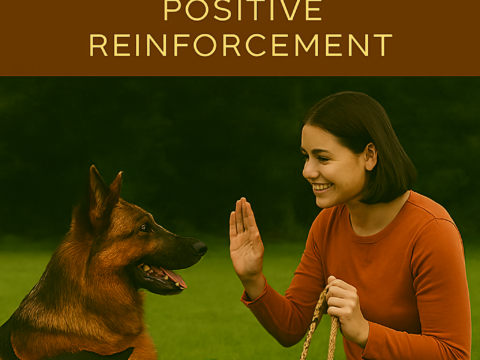
Ask your dog to sit, then hold your palm out like a stop sign and say “Stay” in a calm voice. Take half a step back, immediately step forward again, mark, and reward if your dog held position, even for a second. Slowly increase the time and distance, returning to your dog to reward, and only use their release word (like “Okay!” or “Free!”) when they are allowed to move so they learn that “Stay” ends only when you say so.
Teaching “Come” (Recall)
Start indoors in a quiet area, a few feet away from your dog, and cheerfully say their name followed by “Come!” while crouching slightly and opening your arms. When they turn and move toward you, mark and give multiple treats plus praise so coming to you always feels like a party. Gradually increase distance, then practice on a long leash outside, never using “Come” for anything unpleasant (like nail trims) so your dog keeps a positive association.
Teaching “Leave It”
Hold a treat in your closed fist and present it; when your dog sniffs, paws, or licks, wait quietly until they momentarily back off or look away, then mark and reward with a different treat from your other hand. Once they understand that ignoring your closed fist earns a better reward, add the cue “Leave it” before offering your hand. Later, place a treat on the floor under your foot and practice the same pattern, so your dog learns to disengage from tempting items on cue.
Teaching Loose-Leash Walking Basics
Begin in a low-distraction area, with your dog at your side and the leash slack like a “J” shape. Take one or two steps forward; if the leash stays loose, mark and reward by your leg, teaching your dog that staying close makes the walk move and treats appear. When they surge ahead and the leash tightens, stop walking; only move forward again when they return to you or the leash loosens, so they learn that pulling never gets them where they want to go.
Common Training Mistakes to Avoid
Repeating cues (“Sit, sit, sit!”) teaches your dog to wait until the third or fourth repeat instead of responding the first time. Punishing confusion, yanking the leash, or yelling can make dogs anxious and less willing to try new behaviors. Instead, lower the difficulty, reward small steps, and keep sessions short and fun so your dog looks forward to learning.
10 Frequently Asked Questions About Teaching Basic Commands
1. How long should each training session be?
Most dogs learn best with short, focused sessions of 3–5 minutes, a few times per day. Ending before your dog gets bored or frustrated keeps them engaged and eager for the next lesson.
2. What kind of treats should I use?
Use tiny, soft, high-value treats (like small bits of chicken or cheese) that your dog can eat quickly without losing focus. For easy environments, kibble may work; for harder distractions, upgrade to more special treats.
3. When should I add the verbal cue?
Add the word (like “Sit” or “Down”) only when your dog is already reliably performing the behavior with a lure or hand signal. Say the cue just before the dog does the action, then gradually reduce reliance on the lure.
4. My dog ignores me outside but listens indoors. Why?
Outdoors has more distractions—smells, people, and noises—so your dog’s skills haven’t generalized yet. Practice commands in many locations, starting with easy, quiet spots and gradually working up to busier environments with better treats.
5. How do I train without relying on treats forever?
Once your dog responds well, start giving treats intermittently while always offering praise, petting, or play. You can also “pay” with real-life rewards, like letting your dog go sniff a bush after a good sit at the curb.
6. What if my dog doesn’t respond to their name?
Practice name recognition separately: say your dog’s name once, and when they glance at you, mark and treat. Repeat many times in short bursts so your dog learns that looking at you when they hear their name always pays.
7. Should I use a clicker or just my voice?
Both work; a clicker gives a crisp, consistent sound, while a marker word like “Yes!” is always with you. The important part is consistency: click or say your marker at the exact moment your dog does the correct behavior, then reward.
8. How do I handle mistakes during training?
If your dog gets it wrong, avoid scolding—just calmly reset the situation. Make the exercise easier (shorter distance, fewer distractions, simpler steps) and reward any progress toward the correct behavior.
9. Can older dogs still learn basic commands?
Absolutely; dogs of any age can learn with patient, positive training. Older dogs may need shorter sessions and softer treats, but they often pick up cues quickly once they understand that training leads to rewards.
10. When should I consider a group class or trainer?
If your dog is easily distracted, fearful, reactive, or you feel stuck, a positive reinforcement–based class or trainer can speed progress. A good instructor helps you with timing, technique, and tailoring exercises to your dog’s personality and learning style.