Why Does My Dog Chew on Furniture or Inappropriate Items?
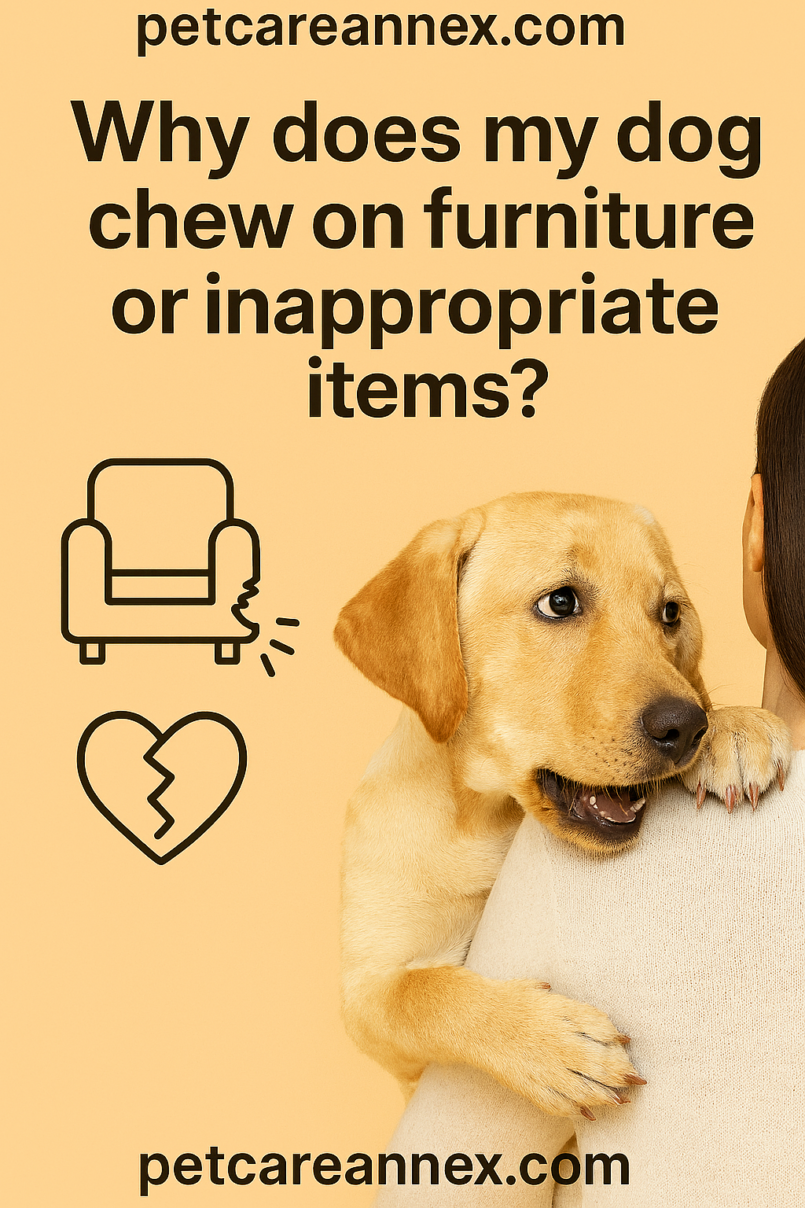
Dogs chew on furniture, shoes, or other forbidden objects for instinctual reasons like teething, boredom, stress relief, or exploration, not to spite you. Puppies explore with mouths like human toddlers, while adults seek mental stimulation or comfort when under-exercised or anxious. Understanding triggers helps redirect this natural behavior into appropriate outlets before habits form.
Puppy Teething and Oral Exploration
Puppies chew most intensely between 3-6 months as baby teeth fall out and adult ones erupt, causing sore gums that furniture soothes. They also mouth everything to learn textures, tastes, and boundaries. Without safe alternatives, soft wood or leather becomes prime targets. Provide chilled frozen carrots, wet rags, or puppy teething toys, rotating frequently to maintain interest.
Boredom and Lack of Mental Stimulation
Understimulated adult dogs turn to furniture as entertainment when walks or play fall short of their breed’s needs. High-energy types like Labs or herding breeds need 60+ minutes daily plus puzzles; without it, chewing fills the void. Rotate durable Kongs stuffed with frozen yogurt, scatter kibble in yards, or hide treats around rooms to engage scent and problem-solving drives.
Stress, Anxiety, or Separation Distress
Anxious dogs chew near doors or your belongings for comfort, releasing endorphins like humans biting nails. Changes like new babies, moves, or schedules spike cortisol, targeting items with your scent. Address roots with calming routines, Adaptil diffusers, or crate training before leaving, pairing absences with long-lasting chews to build positive alone associations.
Medical Issues or Nutritional Gaps
Chewing can signal dental pain, gastrointestinal upset, or pica from deficiencies like anemia. Sudden increases warrant vet exams including bloodwork and fecal checks. Raw diets sometimes trigger obsessive chewing if unbalanced; quality commercial foods usually suffice. Rule out allergies causing itchy paws redirected to furniture.
Learned Habit and Reinforcement
Dogs repeat chewing if owners react dramatically—yelling or chasing excites play, while ignoring damage lets habits solidify. Inconsistent rules confuse: one family member allows couch gnawing, another scolds. Prevention through constant supervision and redirection breaks cycles before furniture becomes “fair game.”
Effective Prevention and Redirection
Baby-gate puppies from prized areas, using bitter sprays like Grannick’s on furniture legs. Crate when unsupervised, ensuring positive connotations with meals inside. Reward “leave it” and “four on the floor” with high-value treats, teaching incompatible calm behaviors. Exercise preempts energy buildup fueling destruction.
Breed and Age Considerations
Working breeds like Malinois demand jobs beyond walks; retrievers fetch obsessively. Seniors chew from cognitive decline or arthritis pain seeking jaw relief. Match lifestyle to drive: low-energy seniors suit couch companions, not chew marathons. Spay/neuter reduces hormone-fueled marking-chewing in some.
10 Frequently Asked Questions About Dog Chewing
Why does my puppy suddenly chew everything?
Teething peaks at 12-16 weeks, with itchy gums driving exploration. Offer cold teething rings and supervise constantly—accidents teach nothing without prevention.
Is chewing always destructive misbehavior?
No—it’s normal but needs channeling. Boredom or unmet needs underlie most; enrich daily to satisfy instincts legally.
How do I stop adult dogs from couch chewing?
Deny access via gates, apply deterrents, and provide 10x more appealing alternatives like bully sticks. Reward non-chewing heavily.
Does punishment work for chewing?
Rarely—scolding after the fact confuses, as dogs link emotion to presence, not past acts. Prevention and positives outperform swats.
Why target my shoes specifically?
Scented with you, they offer comfort or mimic prey texture. Keep inaccessible; launder often to fade ownership aroma.
Can diet fix compulsive chewing?
Sometimes—fiber deficiencies cause pica; vet-recommended foods balance minerals. Avoid rawhides splitting teeth or causing blockages.
My senior dog started chewing again—normal?
Possibly cognitive dysfunction or pain; exam rules out arthritis, dental issues. Soften toys, add joint supplements if cleared.
Does spaying/neutering reduce chewing?
Indirectly—lowers roaming urges tied to destruction in some adolescents. Training remains primary fix.
What toys stop furniture destruction?
Kongs, West Paw durable rubbers, Nylabones suit power chewers. Rotate weekly, stuff with wet food frozen overnight for hours-long appeal.
When to call a behaviorist for chewing?
If persists despite prevention/training 4+ weeks, escalates to aggression, or pairs with anxiety signs—pros diagnose roots like OCD.