
Introducing a new dog to your resident dog requires careful planning to prevent fights, fear, or stress that could sour their relationship long-term. Slow, controlled meetings on neutral ground build positive associations, allowing both dogs to set boundaries without territorial pressure. Success depends on reading body language, managing expectations, and giving them weeks or months to adjust fully.
Preparation Before the First Meeting
Match personalities loosely—energetic puppies suit calm adults, while same-sex pairs may clash more. Ensure both dogs are healthy, vaccinated, and neutered if possible, reducing hormone-driven tension. Exercise both thoroughly beforehand so they meet tired and receptive. Stock high-value treats, leashes, and barriers for management.
Choose the Right Location and Timing
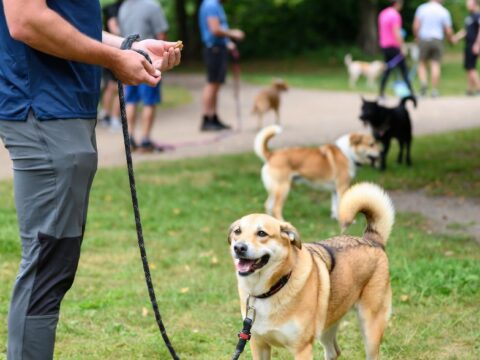
Never introduce on your home turf, where the resident dog feels ownership. Opt for neutral spots like fenced parks or quiet streets during low-activity times. Walk them parallel at a distance where tails wag loosely, gradually closing gaps over 20-30 minutes. Keep leashes slack to avoid tension signaling danger.
Read Body Language During Introductions
Watch for relaxed signs: soft eyes, loose wags, play bows, or sniffing interest. Stiff tails, lip curls, hard stares, or tucked postures mean slow down—separate and try again later. Brief resource tests like shared toys help gauge tolerance, but intervene before escalations like raised hackles or lunging.
First Home Introduction
After successful neutral walks, enter home separately: let the resident sniff the new dog’s blanket first, then swap leashed greetings inside. Gate or crate one dog while the other explores freely, rotating over hours. Supervise all interactions, feeding meals in crates to link the newcomer with good things.
Supervised Integration Over Days and Weeks
Keep leashed meetings short (5-10 minutes), separating for naps and solo time to prevent overload. Walk together daily to reinforce pack bonds. Feed, play, and potty on parallel schedules, never forcing proximity. Progress to off-leash in secure yards only after consistent calm greetings.
Common Challenges and Solutions
Food guarding needs separate meals at first, progressing to side-by-side bowls. Toy possessiveness resolves with individual stashes—no shared resources early. Jealousy fades as routines normalize; ignore attention-seeking and reward independent play. Puppies often integrate faster, but adult rivalries take patience.
Signs of Successful Bonding
Mutual grooming, shared sleeping spots, play wrestling without tension, or relaxed greetings signal harmony. They may compete mildly for lap time but defer without aggression. Full trust takes 1-3 months; monitor indefinitely for resource flare-ups during holidays or changes.
10 Frequently Asked Questions About Introducing Dogs
1. Can I introduce same-sex dogs?
Yes, but watch for rivalry, especially unneutered females or dominant males. Neutering helps, and same-sex pairs often bond strongly with proper intros.
2. What if my resident dog is aggressive?
Consult trainers first—muzzle both for safety, use long lines for control, and keep extreme distance. Prioritize management over forced meetings.
3. How long until they’re best friends?
Weeks to months; some coexist politely without play. Force nothing—tolerance suffices for harmonious homes.
4. Should puppies meet adult dogs off-leash?
No—leashed control prevents injuries. Pups learn manners gradually; overzealous corrections teach fear.
5. What about food during intros?
Feed separately always initially. Test tolerance by tossing treats equally during greetings, ensuring no guarding.
6. My dogs ignore each other—is that okay?
Perfectly fine; forced play stresses. Parallel walks build comfort without intimacy pressure.
7. How do cats factor in?
Introduce dog to cat post-dog-dog harmony. Use baby gates for sniffing; reward cat calm and dog ignores.
8. What if fights break out?
Separate safely (wheelbarrow method: lift hind legs), treat wounds, and pause intros 1-2 weeks. Pros assess triggers.
9. Does age gap matter?
Young puppies overwhelm seniors; match energies. Older dogs mentor appropriately sized pups.
10. When to rehome if it fails?
Rarely needed—most coexist with management. Persistent severe fights warrant behaviorist trials first; single-dog homes suit some personalities.