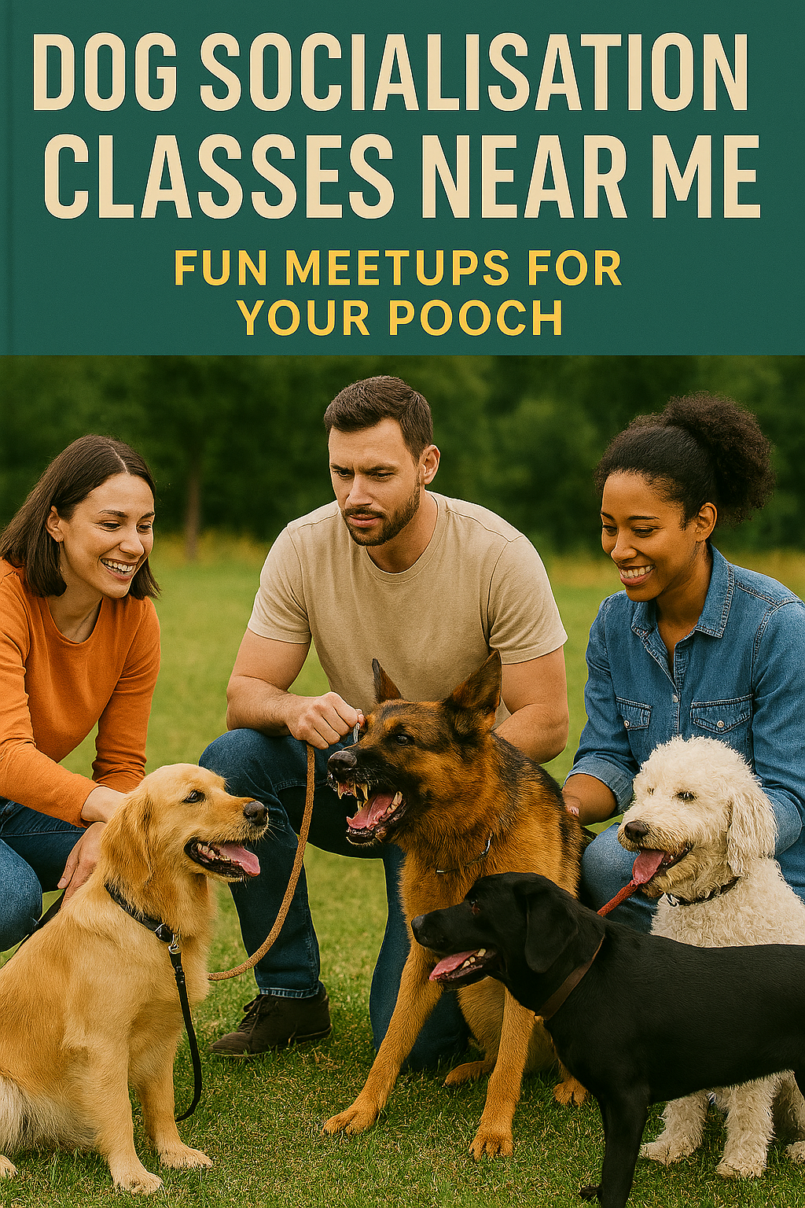
Dog socialisation classes are one of the best gifts you can give your dog, especially in a busy, people-filled world. These friendly meetups help your pooch learn how to behave calmly around other dogs, new environments, and unfamiliar people. They also give you, the owner, a chance to build confidence in handling your dog in real-life situations. Whether you share your home with a bouncy puppy or a shy rescue, well-run socialisation classes can turn nervous encounters into enjoyable outings.
Good socialisation is more than just “letting dogs play together.” It’s a structured process where your dog learns that new sounds, sights, and smells are safe and even fun. In a class environment, trainers guide interactions so that your dog doesn’t become overwhelmed or bullied. Over time, dogs that attend regular social meetups often become easier to walk in public, more relaxed at the vet, and better behaved when visitors come to your home.
Why Socialisation Matters for Your Dog
Dogs are social animals, but that doesn’t mean they automatically know how to navigate every situation. Thoughtful socialisation helps them understand the rules of polite canine behavior and reduces anxiety. Puppies that experience a variety of people, dogs, and environments during their early months tend to grow into more confident, adaptable adults. Adult dogs can benefit too, especially if they’ve missed out on early exposure or have had stressful experiences in the past.
When socialisation is neglected, dogs are more likely to develop fear-based behaviors, reactivity, or aggression. Loud noises, crowds, children, or other dogs can become overwhelming triggers. In contrast, dogs that attend positive social classes learn to take new experiences in stride. They discover that seeing another dog doesn’t always mean chaos, and that looking to their owner for guidance leads to good things. This emotional resilience is what makes everyday life smoother and safer for everyone.
What Happens in a Dog Socialisation Class?
A typical socialisation class is designed to feel like a fun, controlled playdate with a bit of structure built in. At the start, dogs may be allowed to sniff from a distance and warm up to the environment. Trainers often use short, supervised play sessions, gentle introductions, and simple activities to keep the energy balanced. If the group includes puppies, sessions might also involve exposure to common household or city noises, different surfaces, and friendly strangers.
Between play sessions, trainers may guide you through basic cues like “sit,” “watch me,” and “come,” so your dog learns to pay attention to you even around distractions. Breaks are important; they give dogs a chance to calm down and process what they’ve experienced. Good classes balance excitement and rest, ensuring that shy dogs aren’t overwhelmed and confident dogs don’t become pushy. By the end of a course, most owners notice that their dogs are more relaxed and responsive in group settings.
Benefits of Local Socialisation Meetups
Looking for “dog socialisation classes near me” usually reveals a variety of local options, from small group classes to drop-in social sessions. Staying local offers practical benefits: shorter travel times, familiar surroundings, and schedules that better fit your routine. It also helps your dog get used to the kinds of people, dogs, and places they’ll encounter regularly in your own neighborhood. As a bonus, you’ll meet other dog owners nearby, which can turn into regular playdates or walking buddies.
Social meetups are also great enrichment for dogs that might otherwise feel bored at home. Even a well-exercised dog needs mental stimulation and social contact to stay emotionally balanced. Regular classes give them a safe outlet for energy and curiosity. For you, these sessions can be a source of support—you can ask questions, share experiences, and learn from trainers and fellow owners who understand the ups and downs of dog parenting.
Types of Dog Socialisation Classes
Not all socialisation opportunities look the same, and that’s a good thing. Different dogs need different formats to thrive. Common types include puppy socialisation classes, where very young dogs practice meeting others in short, gentle bursts with lots of treats and praise. These sessions often include controlled play, early manners training, and exposure to new stimuli, like unusual noises or friendly handling by strangers. They’re designed to make the world feel safe rather than scary.
For older dogs, you might find adult social classes, doggy day camps, or structured group training that incorporates social time. Some centers offer small, carefully matched playgroups for shy, nervous, or reactive dogs, where the focus is on building confidence and calm behavior rather than rough play. There are also community events such as “yappy hours,” dog park meetups, and themed fun runs that double as socialisation opportunities. The best choice is the one that matches your dog’s temperament, energy level, and current skill set.
How to Choose a Quality Class Near You
Finding the right socialisation class starts with paying attention to the training philosophy. Look for programs that use positive reinforcement: treats, praise, toys, and gentle guidance instead of punishment or harsh corrections. The environment should feel safe and welcoming, with clear rules about vaccinations, health, and appropriate behavior. Class sizes are important too—smaller groups make it easier for trainers to supervise interactions and give each dog individual attention.
Before you sign up, don’t hesitate to ask if you can observe a class without your dog. Notice whether dogs appear relaxed and happy most of the time, and whether the trainer steps in quickly to prevent bullying or overwhelm. Good instructors explain what they’re doing and why, and they encourage questions from owners. If something doesn’t feel right—if dogs are frequently frightened, scolded, or allowed to clash without intervention—keep looking. A high-quality class should leave both you and your dog feeling more confident, not more stressed.
Preparing Your Dog for Their First Class
A little preparation goes a long way toward a smooth first session. Make sure your dog is up to date on vaccinations, and bring any required paperwork the facility requests. On the day of class, feed a slightly smaller meal so your dog is comfortable but still interested in treats. Pack a bag with soft, tasty rewards, a secure collar or harness, and a standard leash (skip retractable leashes, which are harder to manage in close quarters).
It also helps to give your dog a short walk before class to take the edge off excess energy without tiring them out completely. When you arrive, stay calm and upbeat; your dog will take emotional cues from you. If they seem overwhelmed, create a little distance and let them observe before jumping into the middle of the group. Remember, it’s okay if your dog doesn’t play much during the first session—simply watching from the sidelines can still be valuable exposure.
Making the Most of Fun Meetups
Once you’ve found a good fit, regular attendance is the key to lasting benefits. Treat each class as practice not just for your dog, but for you as a handler. Pay attention to your dog’s signals: relaxed body language, loose tail wags, and easy movements indicate they’re having a good time, while tucked tails, stiff posture, or constant hiding suggest they need more space or slower introductions. Share these observations with the trainer so they can adjust the experience to suit your dog.
Outside of class, continue building on what you’ve learned. Arrange playdates with compatible dogs you’ve met, walk in new but manageable locations, and practice focus games around mild distractions. The goal is for your dog to associate social experiences with safety and enjoyment, not unpredictability. Over time, you’ll likely notice your pooch greeting new situations with curiosity instead of fear, turning those “near me” socialisation classes into one of the highlights of both your weeks.