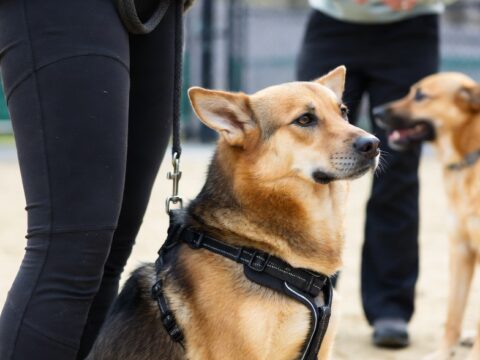
He sits politely now, but imagine he rolling over on cue, weaving through your legs, or playing dead with dramatic flair—these tricks turn basic obedience into crowd-pleasing entertainment. Trick training builds on simple commands using positive reinforcement, making learning a joyful game that sharpens his focus and boosts confidence. Owners discover he masters complex behaviors faster than expected, impressing friends while strengthening their bond through play.
Why Tricks Beat Basic Obedience
Unlike rigid “sit-stay,” tricks engage his problem-solving brain, preventing boredom and building resilience. He learns to watch your signals intently, improving recall amid distractions. Short sessions (5-10 minutes) yield quick wins, maintaining motivation where long drills fail.
Tricks generalize obedience creatively: “spin” becomes loose-leash turns, “take a bow” teaches polite greetings. Studies show dogs trained in fun skills exhibit 30% less frustration barking. He gains mental workouts rivaling puzzle toys, staying sharp into senior years.
Essential Foundation Skills
Start with rock-solid basics—he must nail sit, down, stay, and touch (nose to hand) reliably. These bridge to tricks: “touch” lures spins, “down” sets up rolls. Use a clicker or marker word (“yes!”) followed by pea-sized treats like cheese bits.
Practice in low-distraction zones first—kitchen counters hide rewards. Sessions end on highs; quit while he begs for more. He progresses from lures (hand guiding) to verbal cues, fading treats to 30% random rewards.
Easy Starter Tricks (Level 1)
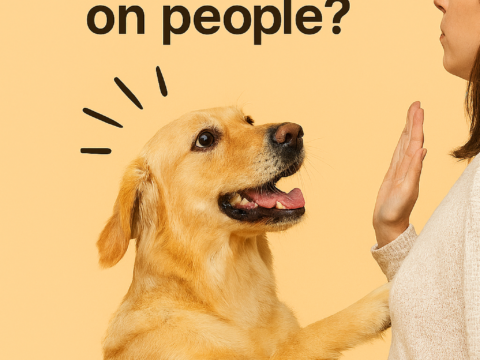
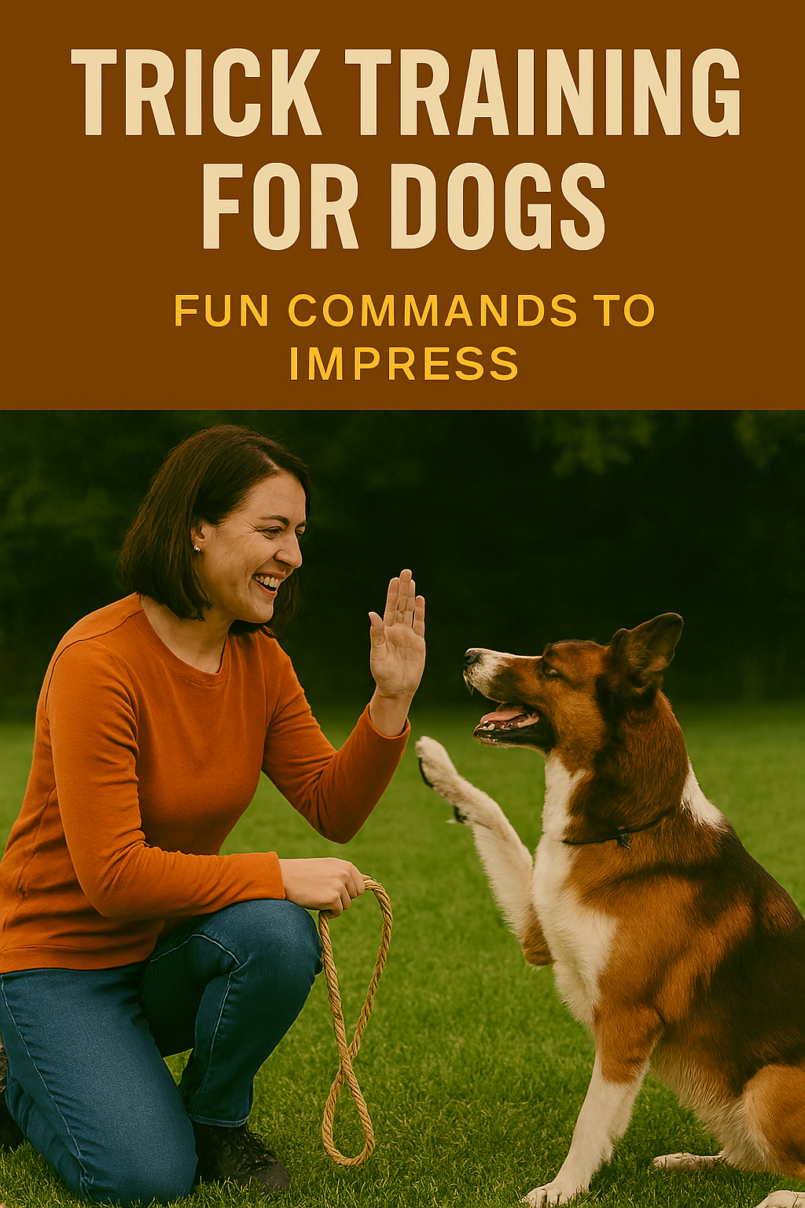
**Shake:** From sit, hold treat above his paw, click when lifted. Add cue as he offers voluntarily. Variations: “other paw,” “high five.”
**Spin:** Lure circle with treat at nose height, click mid-turn, fade hand. Chain with “sit” for polish.
**Paw Target:** Place flat hand down; click nose touches. Evolves to “wave” by lifting paw first.
He masters these in 1-2 weeks with 3x daily reps. Film progress—watching builds your confidence too.
Intermediate Tricks (Level 2)
**Roll Over:** From down, lure across belly with treat loop. Support gently if needed; click full rolls. Add speed later.
**Play Dead:** Down-stay, roll him sideways with cue, reward stillness. Pair with “bang!” for drama.
**Leg Weaves:** He sits at your side; lure front legs between yours, click pass-throughs. Builds to full circles.
**Take a Bow:** From stand, lure nose down between paws with “bow,” click held pose. Perfect for applause finishes.
Expect 2-4 weeks per trick. Vary environments—yard weaves differ from hallway spins.
Advanced Crowd-Pleasers (Level 3)
**Back Up:** Lure backward steps with treat above head; click retreat. Proof around furniture.
**Sit Pretty:** From sit, lure paws up with hovering treat; click balance. Support chest initially.
**Hide Nose/Head Down:** Cup treat near floor by paws; click tucked position. Chains to “shy.”
**Platform/Side Pass:** He pivots around you or object on cue, dazzling onlookers.
**Chained Routine:** Sequence 5-7 tricks: sit-wave-spin-bow-roll-high five. Practice 1-minute flows.
He shines here after 4-6 weeks, performing fluently off-leash.
Tools and Treats for Success
Clickers ($5) pinpoint exact moments; verbal “yes!” works too. High-value rewards: boiled chicken, hot dogs, cheese—reserve for tricks only. Target stick (spoon taped to dowel) guides distant moves.
Props start: yoga block for “pretty,” hula hoop for jumps. Fade all gradually. Fitness matters—warm up with obedience first.
| Trick Level | Examples | Time to Learn | Skills Needed |
|---|---|---|---|
| Beginner | Shake, Spin, Wave | 1-2 weeks | Sit, Touch |
| Intermediate | Roll Over, Bow, Weave | 2-4 weeks | Down, Stay |
| Advanced | Sit Pretty, Routine | 4-6 weeks | Recall, Distance |
Common Training Pitfalls
Lure too long—fade after 5 reps or he stalls without hands. Repeating cues 10x teaches ignoring; say once, wait. Inconsistent rewards erode motivation—jackpot breakthroughs (double treats).
Overfacing: don’t rush “pretty” sans strong sits. Multi-dog homes train separately first. Puppies under 12 weeks stick to basics; seniors shorten sessions.
Impressing Audiences Safely
Perform in controlled spots—parks after mastery. Cue clearly; reward lavishly post-routine. He reads your energy—stay upbeat, no scolding slips.
Videos go viral: TikTok “talking dog” illusions via button chains. Competitions like AKC Trick Dog reward creativity.
Breed and Age Considerations
Herder breeds (Border Collie, Aussie) excel at sequences; bulldogs shine in comedy poses. Small dogs nail high-energy spins; giants master gentle bows.
Puppies learn quickest (8-18 months peak); adults refresh rusty obedience; seniors adapt low-impact tricks like “find it.” Rescue trauma? Start slow with trust-builders.
Chaining Tricks into Performances
Link 3-5: “spin-roll-bow” for applause. Add handlers—family cues keep he engaged. Music syncs routines; costumes optional for fun.
Practice transitions smoothly—no pauses. Fade cues entirely for telepathic flair.
Long-Term Engagement
Rotate tricks weekly; invent hybrids like “army crawl.” Competitions motivate; YouTube tutorials inspire. He stays mentally fit, warding dementia.
Trick training transforms “good dog” into superstar—he impresses while thriving on challenge and praise. Start small, celebrate big: your dynamic duo awaits the spotlight.