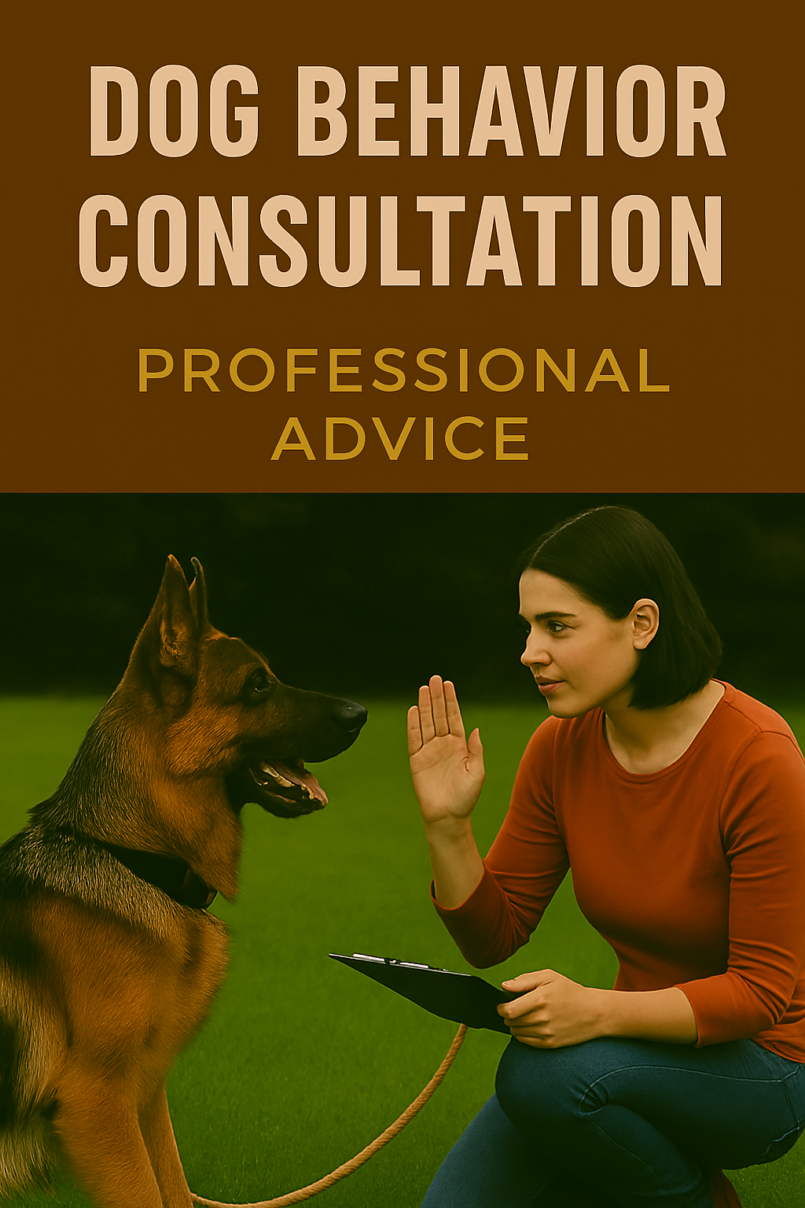
He lunges at strangers, cowers from loud noises, or shreds furniture when alone—these behaviors signal deeper issues that overwhelm standard training. Professional dog behavior consultations provide expert diagnosis and customized modification plans, addressing emotional roots like fear, frustration, or anxiety through science-based protocols. Owners gain clarity, confidence, and actionable steps to transform challenging dogs into balanced companions.
When to Seek Professional Help
Consult behaviorists for aggression (growling, biting), severe anxiety (destructive separation, phobia), compulsive behaviors (tail chasing, shadow boxing), or stalled progress after group classes. Red flags include human-directed bites, resource guarding injuries, or unpredictable reactivity. Basic obedience trainers teach cues; behavior consultants decode emotions driving problems.
DIY limits appear when safety risks emerge—professionals prioritize welfare using force-free methods proven safer long-term.
Qualifying Credentials and Credentials
**Veterinary Behaviorists (DACVB):** Medical degree + behavior residency—rule out thyroid, pain amplification.
**Certified Applied Animal Behaviorists (CAAB):** PhD-level research/training expertise.
**CPDT-KA + Experience:** Trainers with 300+ supervised hours, behavior continuing education.
**IAABC Members:** Force-free commitment, peer-reviewed case studies.
Avoid “master trainers” lacking verifiable credentials. References, success rates with similar cases matter most.
Preparing for Your Consultation
**History Questionnaire (1-2 weeks prior):**
– Medical/vaccine records, diet details.
– Behavior timeline: onset, frequency, triggers, consequences.
– Video footage (safe, unprovoked incidents).
– Household composition, routines, punishment history.
**Log Specifics:** “3 PM mailman growl, 7 PM dinner stiffening, strangers stiff tail base.” Context reveals patterns.
**Family Briefing:** Consistent observations prevent bias. High-value treats ready for demonstrations.
What Happens During the Session
**60-90 Minute Assessment:**
1. **Intake Review:** Consultant analyzes questionnaire/history.
2. **Live Observation:** He interacts in home environment—greeting, toys, strangers at distance.
3. **Functional Assessment:** Test thresholds safely (food proximity, movement speed).
4. **Handler Interview:** Management attempts, emotional responses, training background.
**No Training During Initial:** Diagnosis precedes intervention—rushing risks inaccurate plans.
Diagnosis: Identifying Root Causes
Professionals classify via **Functional Assessment:**
– **Fear/Anxiety:** Avoidance, trembling, escape attempts.
– **Frustration:** Barrier aggression, demand barking.
– **Pain-Related:** Guarded movement, touch sensitivity.
– **Learned Behavior:** Attention reinforced (pet after jumping).
– **Medical:** Sudden onset, age-related cognitive decline.
**Hypotheses Tested:** “Growling at vet = fear of restraint” vs. “pain on palpation.” Multiple causes often coexist.
Customized Behavior Modification Plan
**Layered Protocol Example (Leash Reactivity):**
1. **Management:** Visual barriers, distance control.
2. **Counterconditioning:** Triggers predict treats.
3. **Differential Reinforcement:** Reward calm vs. quiet.
4. **Desensitization:** Gradual exposure sub-threshold.
5. **Handler Skills:** Leash handling, body language reading.
**Homework Assigned:** Specific reps, environments, progress metrics. Apps track compliance.
| Issue
Behavior |
Root Cause | Primary Protocol | Timeline |
|---|---|---|---|
| Resource Guarding | Fear of loss | Trade-up + mat | 4-8 weeks |
| Leash Reactivity | Frustration/fear | Counterconditioning | 6-12 weeks |
| Separation Anxiety | Attachment distress | Graduated absences | 2-4 months |
| Fear Aggression | Learned helplessness | DS/CC + meds if needed | 3-6 months |
Follow-Up and Progress Monitoring
**Weekly Check-Ins (First Month):**
– Video submissions reviewed.
– Protocol adjustments based on data.
– Handler skill refinement.
**Monthly In-Person:** Live assessment confirms emotional shifts. Success = reduced intensity/frequency 80%.
**Graduation:** 6-12 months typical—maintenance plan prevents relapse.
Costs and Investment Value
**Initial Consultation:** $150-400 (90 minutes).
**Packages:** $1,200-3,000 (6-12 sessions).
**Veterinary Behaviorist:** $200-500 initial + meds.
ROI: Prevents bites ($10k+ lawsuits), rehoming, destroyed homes. Transforms “unadoptable” dogs.
Remote vs. In-Person Consultations
**Remote Benefits:**
– Less stress for stranger-aggressive dogs.
– Convenient video analysis.
– Unlimited follow-up questions.
**In-Person Advantages:**
– Live handler observation.
– Environmental assessment.
– Hands-on demonstrations.
Hybrid common—remote start, in-person polish.
Family Implementation Success Factors
**Consistency:** Identical protocols across handlers.
**Timing:** Immediate homework start.
**Patience:** Weeks-months realistic timelines.
**Communication:** Weekly family meetings align.
**Record-Keeping:** Videos document progress.
One inconsistent member undermines months of work.
Red Flags Requiring Urgent Help
– Bites breaking skin.
– Children/other pets targeted.
– Escalating intensity.
– Multi-context aggression.
– Owner fear of handling.
Urgent consults prioritize safety—muzzles, management during modification.
Adjunct Therapies and Medications
**Veterinary Behaviorists Prescribe:**
– **SSRIs:** Fluoxetine for chronic anxiety (2-6 weeks onset).
– **Benzos:** Short-term panic (fireworks, thunderstorms).
– **TCAs:** Clomipramine separation anxiety.
**Complementary:**
– Adaptil collars, pheromone diffusers.
– CBD oil (vet-approved dosing).
– TTouch bodywork stress reduction.
Meds accelerate learning when emotional floor too low for training.
Maintaining Gains Long-Term
**Annual Refreshers:** Re-test triggers.
**Life Changes:** Babies, moves retrigger protocols.
**Group Classes:** Social polish post-resolution.
**Enrichment:** Jobs prevent boredom relapse.
Success = he approaches triggers neutrally, offers alternatives proactively.
Finding Qualified Professionals Locally
**Directories:**
– IAABC.org (force-free certified).
– APDT.com referral service.
– ACVB.org veterinary behaviorists.
**Vetting Questions:**
– Success rates with your issue?
– Force-free commitment?
– 100% satisfaction policy?
– Case documentation examples?
Virtual options expand access—Las Vegas specialists serve remotely.
Dog behavior consultations illuminate emotional darkness—professionals decode signals, craft precision plans, guide transformations. Invested owners gain fluent-handling confidence; dogs reclaim joyfully social lives. Problem behaviors fade, partnerships flourish.