**Dog Obedience Training Near Me: Professional Help Close to Home**
Finding professional dog obedience training close to home can make a dramatic difference in your relationship with your dog. Whether you have a rambunctious puppy, an adolescent testing boundaries, or an adult dog with lingering manners issues, local trainers offer structured guidance, accountability, and real-world proofing that self-training often lacks. Proximity matters: nearby classes or private sessions mean consistent attendance, easier follow-through on homework, and the ability to practice in familiar environments. With so many options—from group classes to private lessons to board-and-train programs—owners can find affordable, effective help without long drives.
The Value of Professional Obedience Training
Professional trainers bring expertise that accelerates progress and prevents common mistakes. They understand canine body language, learning theory, and breed-specific tendencies, allowing them to tailor methods to each dog. Positive reinforcement dominates modern obedience training, using rewards (treats, toys, praise) to build eager, reliable responses rather than fear-based compliance.
Trained dogs are safer and easier to live with. Reliable sit-stay prevents door-dashing, solid recall avoids traffic hazards, and polite leash walking turns stressful outings into enjoyable ones. Professional guidance also addresses root causes of problems—fear, frustration, or lack of impulse control—rather than just suppressing surface behaviors.
For owners, classes provide structure and education. You learn timing, body positioning, reward delivery, and how to read your dog’s signals. This knowledge empowers you to maintain progress long after formal training ends.
Types of Obedience Training Available Locally
Local options typically fall into several categories:
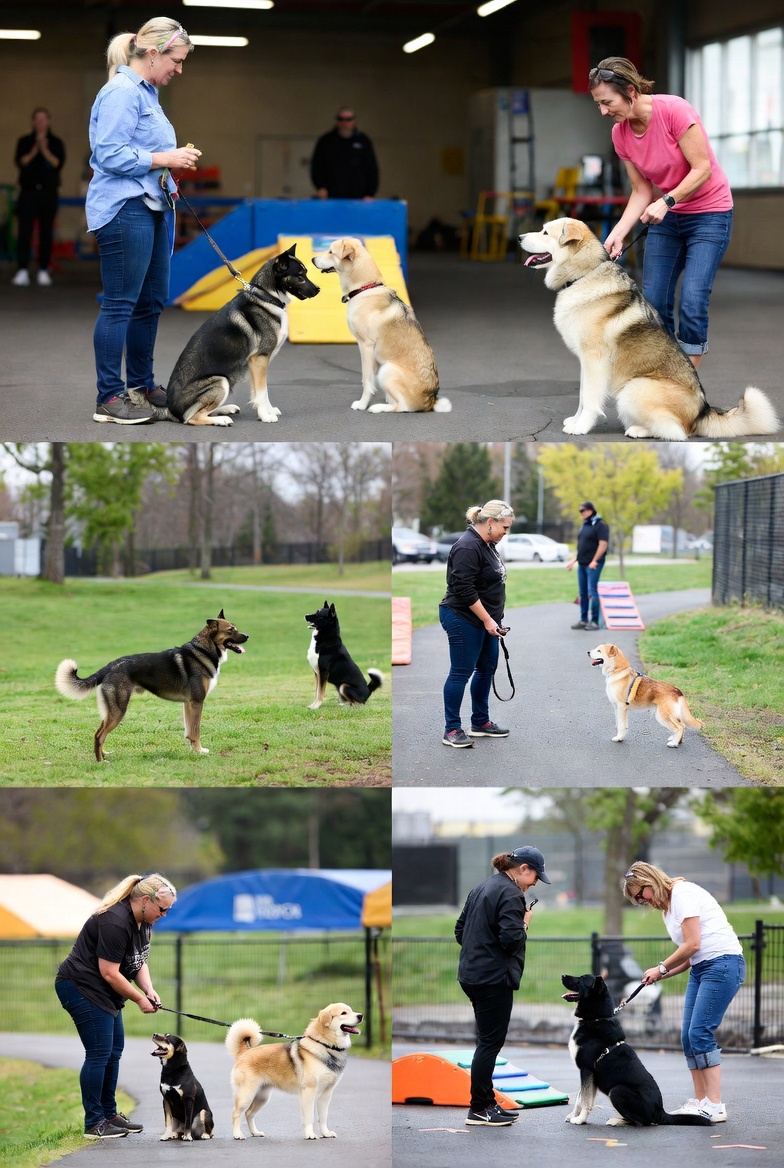
– **Group classes** — Most common and affordable. Beginner, intermediate, and advanced levels run 6–8 weeks. Small groups (6–12 dogs) allow individual attention while providing built-in distractions for proofing.
– **Private lessons** — Ideal for specific issues (reactivity, jumping, door manners) or dogs uncomfortable in groups. One-on-one sessions let trainers customize plans and address household dynamics.
– **Board-and-train programs** — Dogs stay with the trainer for 2–6 weeks of intensive daily work. Great for busy owners or severe issues, though follow-up owner training is essential for transfer.
– **Puppy kindergarten / socialization classes** — Focus on early manners, bite inhibition, and positive exposures for dogs 8–16 weeks old.
Many facilities combine formats, offering group classes plus private add-ons or drop-in practice sessions.
How to Find Quality Training Near You
Start with targeted online searches: “dog obedience training near me,” “professional dog trainer [your city],” or “positive reinforcement obedience classes [zip code].” Results often include:
– National chains (PetSmart, Petco) with consistent curricula and moderate pricing ($119–$199 for six weeks).
– Independent trainers advertising on Google, Facebook, or Nextdoor.
– Local humane societies, SPCAs, and community centers offering subsidized or low-cost programs.
– Specialty facilities focused on positive methods or specific breeds.
Check certification: look for trainers credentialed by CCPDT (CPDT-KA or CPDT-KSA), IAABC, or KPA-CTP. These organizations emphasize science-based, force-free training.
Read reviews on Google, Yelp, and Facebook. Look for comments about trainer patience, clear communication, and real improvement in dogs. Avoid facilities promising “guaranteed” results or using punishment-heavy methods (shock collars, prong collars as primary tools).
Visit in person or attend a free evaluation. Observe a class if possible—watch how the trainer handles dogs, communicates with owners, and maintains a calm, positive atmosphere.
What to Expect in a Professional Obedience Program
Beginner classes typically cover:
– Name recognition and focus
– Sit, down, stay
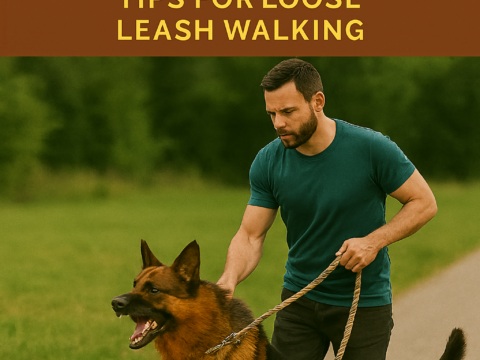
– Loose-leash walking
– Come when called (basic recall)
– Leave it / drop it
– Polite greetings (no jumping)
Sessions last 45–60 minutes weekly. Trainers demonstrate, then coach each handler-dog pair. Homework—short, frequent practice sessions—is assigned to reinforce lessons.
Positive reinforcement is standard: dogs earn treats, toys, or praise for correct behavior. Harsh corrections are rare in reputable programs. Progress builds gradually—basic commands in low-distraction settings first, then adding distance, duration, and real-world challenges.
Advanced classes introduce off-leash reliability, heel position, distance work, and proofing around high distractions (other dogs, people, traffic).
Benefits of Choosing Local Trainers
Proximity simplifies logistics. Regular attendance is easier when the facility is 10–20 minutes away rather than an hour’s drive. You can practice homework in nearby parks or streets that mirror class environments, improving generalization.
Local trainers often understand regional challenges—wildlife distractions, busy sidewalks, or specific weather conditions—and tailor advice accordingly. Building a relationship with a nearby professional means ongoing support: drop-in sessions, refreshers, or help with new issues years later.
Community connections form naturally. You meet other local dog owners, creating playdate opportunities and support networks.
Tips for Success During and After Training
– Practice daily in short bursts (5–10 minutes) rather than marathon sessions.
– Use high-value rewards at first, then fade to variable schedules.
– Never punish slow responses—reward what you want to see more of.
– Involve all household members so cues and rules stay consistent.
– Keep training fun; end sessions on success.
– After classes end, maintain skills with occasional practice and real-life application.
Long-Term Impact on You and Your Dog
Investing in professional obedience training near home yields lifelong dividends. Dogs gain confidence, manners, and freedom. Owners enjoy reduced stress, safer outings, and stronger bonds built on clear communication.
A well-trained dog integrates seamlessly into family life—welcoming guests politely, walking calmly on leash, responding reliably when called. The skills learned transfer to new challenges: travel, moving homes, introducing new pets.
Start searching today. Whether through a big-box store, community program, or independent trainer, professional obedience help close to home is more accessible than ever. With commitment to practice and consistency, you’ll soon have the polite, responsive companion you’ve always wanted.