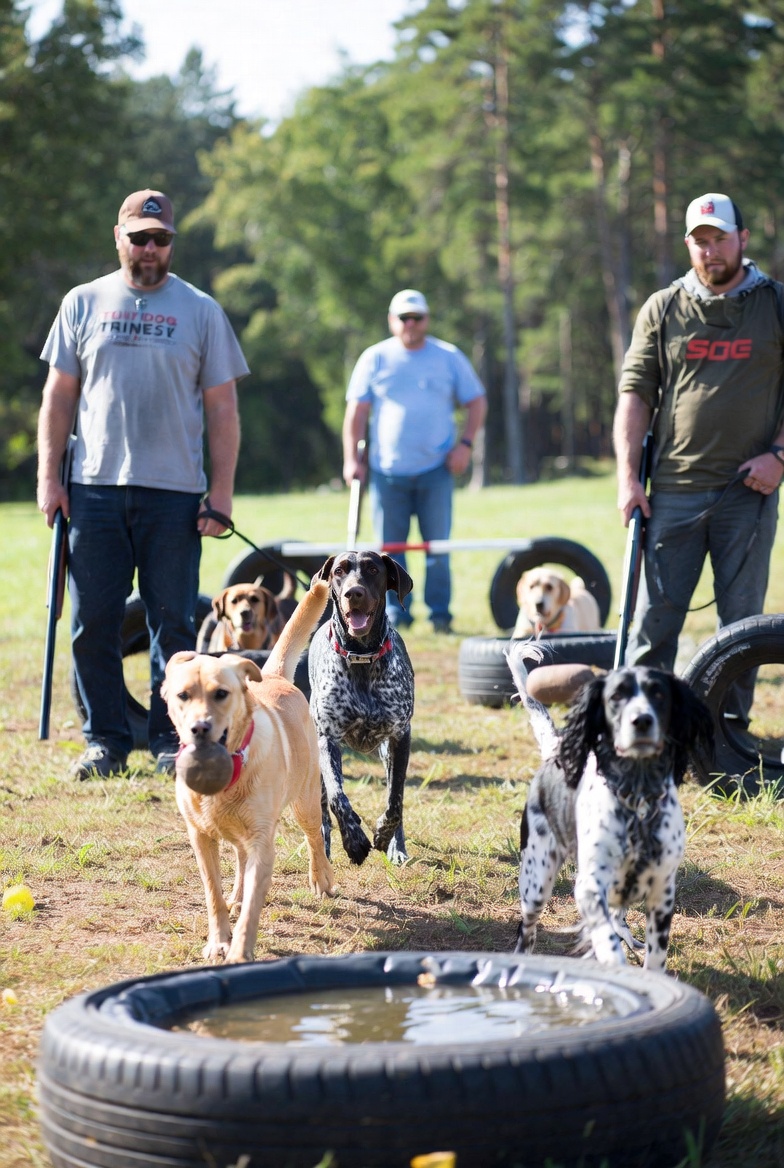
Gun dog training specializes in developing the natural instincts of breeds bred for hunting, such as retrievers (Labradors, Goldens), pointers (German Shorthairs, Brittanys), setters, spaniels (Springers, Cockers), and versatile hunters (Vizslas, Weimaraners). These programs teach skills like obedience, retrieving, pointing, flushing, steadiness to shot, and fieldwork. Specialized courses help transform eager pups into reliable partners, improving hunting success, safety, and enjoyment. Finding local options ensures convenient access to expert guidance tailored to your region and hunting style.
The Role of Gun Dogs in Modern Hunting
Gun dogs enhance hunting efficiency and ethics. Retrievers mark falls and retrieve from water or land, reducing lost game. Pointers and setters locate birds by scent, holding point for steady shots. Flushers like spaniels drive game toward hunters while staying under control.
Trained gun dogs minimize wounding by quick, clean retrieves and prevent chasing flushed birds. They promote safety by remaining steady amid gunfire and distractions. Beyond utility, training channels high-drive energy productively, preventing behavioral issues in non-hunting homes.
Benefits of Specialized Gun Dog Training
Professional programs accelerate progress beyond self-training. Dogs learn faster in distraction-free, structured environments with expert timing and consistent reinforcement.
Benefits include:
– Stronger obedience and impulse control for real-world reliability.
– Breed-specific skill development, like force fetch for retrievers or steadiness for pointers.
– Confidence building through controlled exposures to birds, shots, and terrain.
– Improved handler-dog communication via proven methods.
– Reduced risk of bad habits forming.
Many owners see better field performance, fewer lost birds, and stronger bonds. Even non-competitive training provides mental/physical stimulation.
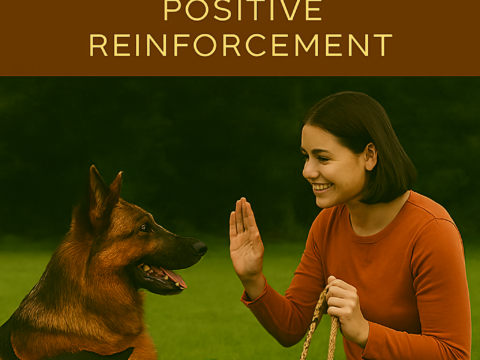
Positive reinforcement dominates modern programs, fostering eager, resilient dogs without fear.
Types of Gun Dog Training Programs
Courses vary by breed and purpose:
– **Retriever programs** focus on marking, blind retrieves, water work, steadiness.
– **Pointing dog training** emphasizes quartering, pointing, backing, steadiness to flush/shot.
– **Flushing/spaniel classes** teach quartering, flushing on command, retrieving.
– **Versatile/HPR training** covers hunting, pointing, retrieving across terrains.
Options include:
– Group classes for socialization.
– Private sessions for customization.
– Board-and-train for immersion.
– Hunt test prep (AKC, NAVHDA, UKC).
Introductory foundations build obedience before advanced fieldwork.
What to Expect in Specialized Courses
Beginner sessions start with obedience (sit, stay, heel, recall), collar conditioning, and basic retrieving or pointing drills.
Progress to fieldwork: bird introduction, steadiness, handling signals.
Expect positive methods with praise, treats, bumpers, live birds (ethically sourced).
Classes run 6-12 weeks or longer for advanced; board-and-train lasts weeks to months.
Handlers learn cues, timing, corrections. Safety prioritizes—no forcing, gradual pressure.
Proofing occurs in varied environments for generalization.
### How to Find Local Gun Dog Training Near You
Search “gun dog training near me” or “hunting dog trainer [your city/state]” yields facilities, often specializing in retrievers or pointers.
Check organizations:
– NAVHDA, AKC Hunt Tests, HRC for club-affiliated trainers.
– Breed clubs (e.g., Labrador Retriever Club) list resources.
Directories like gun-dog-trainers.com offer maps/filtered listings by state/breed.
Social media groups, forums (RetrieverTraining.net), or Facebook communities provide recommendations.
Visit facilities: observe classes, ask about methods, success rates, testimonials.
Verify experience with your breed, positive approaches, vaccination policies.
Start with intro sessions or evaluations.
### Choosing the Right Program for Your Hunting Breed
Match programs to breed needs—retrievers suit waterfowl/upland, pointers upland birds.
Consider goals: casual hunting, hunt tests, trials.
Evaluate trainer philosophy—positive, balanced, experience level.
Location matters for ongoing practice.
Budget varies; group classes cheaper than board-and-train.
Owner involvement key—many include handler lessons.
Long-Term Advantages for You and Your Dog
Investing in specialized training yields reliable, enthusiastic partners. Dogs gain confidence, focus, manners. Owners learn handling, deepening bonds.
Trained gun dogs enjoy purposeful lives, reducing boredom issues. Hunting becomes more successful, ethical, enjoyable.
Ongoing practice maintains skills; many join clubs for group hunts.
Gun dog training near you unlocks potential in hunting breeds. Start searching local options—expert courses transform capable pups into exceptional field companions, enriching hunts for years.