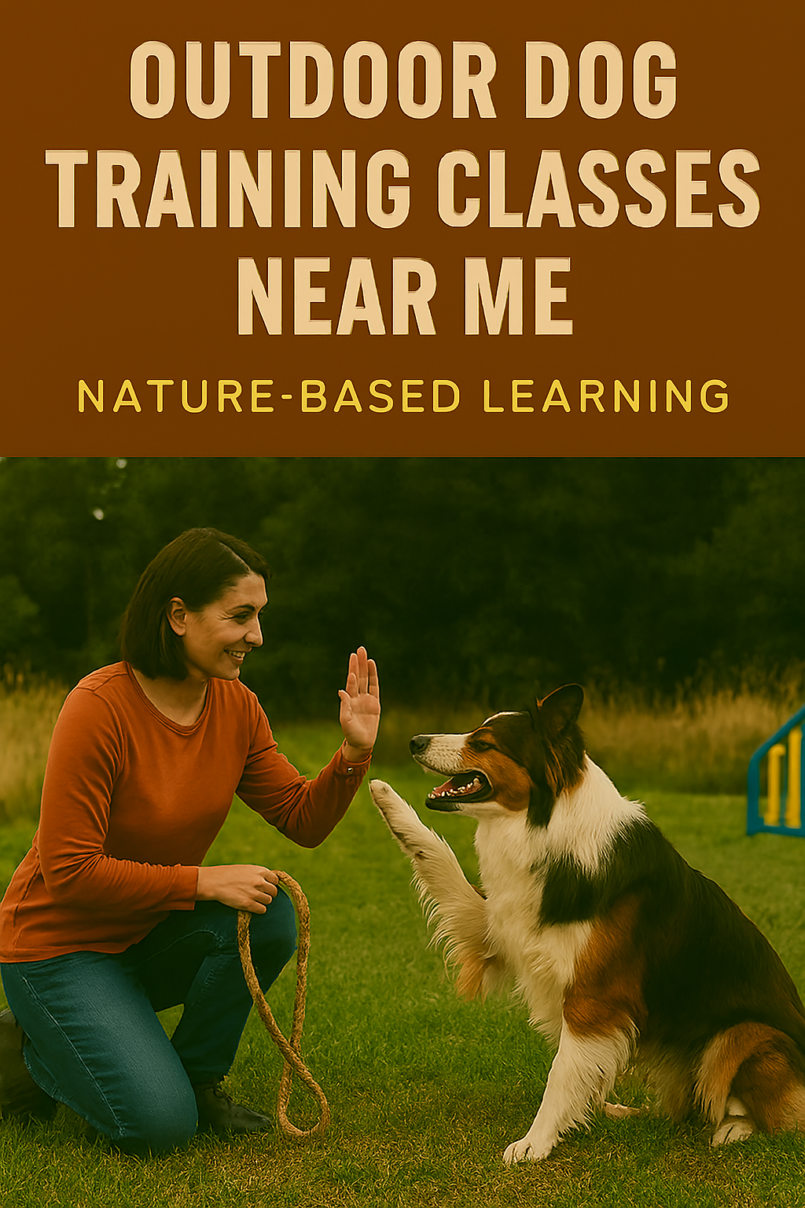
Outdoor Dog Training Classes Near Me: Nature-Based Learning
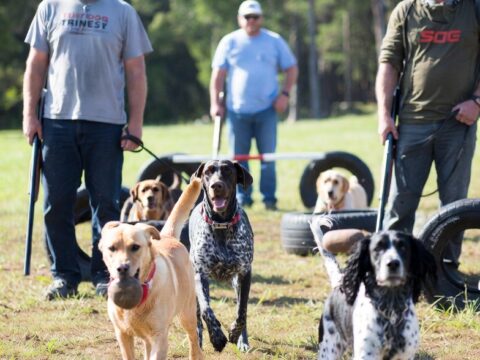
He thrives outdoors, sniffing trails and chasing leaves—outdoor dog training classes harness that energy in natural settings like parks, fields, and wooded areas. These classes blend obedience, agility, and socialization amid real-world distractions, teaching him to focus through birds chirping, wind rustling, and ground scents. Owners enjoy fresh air sessions that make learning fun and applicable, turning neighborhood walks into confident adventures.
Why Nature Enhances Dog Training
Controlled indoor classes build foundations, but outdoor environments proof skills against life’s chaos—squirrels darting, kids biking, distant dogs barking. Natural terrain varies surfaces (grass, gravel, dirt), improving balance and adaptability. He learns cues amid competing stimuli, generalizing “sit” from park benches to busy streets.
Sunlight boosts serotonin for both; endorphins from movement aid focus. Seasonal changes add variety—fall leaves hide treats, spring flowers distract. Groups stay small (6-10 dogs) for safety, rotating turns leashed.
Finding Local Outdoor Classes
Search “outdoor dog training [city]” for parks hosting group sessions. Expect $20-40/class or $150-250/6 weeks. Morning slots avoid heat; shaded fields preferred. Prerequisites: basic vaccines, friendly temperament.
Certified trainers (CPDT-KA) lead; observe trial classes. Facilities provide agility props, long lines. Leash laws followed; waste stations stocked.
Typical Outdoor Class Format
**Warm-up (10 min):** Circle obedience—sit, down, recall on grass. Handlers practice emergency stops.
**Skill Rotations (30 min):** Stations rotate: tunnel weaves through trees, jump grids on flat fields, recall games with distractions.
**Distraction Proofing (15 min):** Real-life scenarios—pass joggers, ignore squirrels, hold stays near playgrounds.
**Cool-down (5 min):** Play breaks, Q&A. Sessions run 60 minutes weekly.
Positive reinforcement rules—clickers mark precision amid wind noise.
Core Activities in Nature Settings
**Trail Heeling:** Loose-leash walks on paths, rewarding position despite scents.
**Natural Agility:** Logs for A-frames, ditches for tunnels, hills for contacts.
**Scent Games:** Hide treats in bushes, logs—combines nose work with recall.
**Group Recalls:** Rotate calling amid pack, teaching “come” under social pressure.
**Impulse Control:** “Leave it” near tempting ponds, picnics.
Varied terrain builds athleticism safely.
| Class Type | Focus | Location | Best For |
|---|---|---|---|
| Beginner | Basics | Flat parks | Puppies |
| Intermediate | Proofing | Trails | Adults |
| Advanced | Competition | Open fields | High-drive |
Benefits for He and Handler
He gains environmental resilience—cues stick through rain, wind. Fitness improves via terrain challenges; mental stimulation tires more than walks. Socialization exposes controlled interactions, reducing reactivity.
You master handling in variables—mud affects footing, breezes carry distractions. Nature reduces stress; post-class walks feel easy. Bonds strengthen sharing outdoor wins.
Safety Protocols in Outdoor Classes
Trainers carry tick spray, water bowls, first-aid. Groups avoid high-traffic zones; long lines prevent bolting. Heat breaks mandatory—early mornings best. Wildlife protocols: snake avoidance drills.
Leash rules strict; reactive dogs work distanced. Weather cancellations rare—tents provide cover.
Seasonal Adaptations
**Spring:** Wildflower distractions teach focus; muddy trails build traction.
**Summer:** Dawn classes, frozen treats motivate. Sprinklers cool paws.
**Fall:** Leaf piles hide toys; cooler temps enable longer runs.
**Winter:** Layered gear; sunny slopes maximize warmth.
Year-round viability beats indoor-only limits.
Equipment for Outdoor Success
6-ft leather leashes withstand elements; no-slip harnesses. Treat pouches with ziplocks keep rewards dry. Portable clickers, whistle for recall. He wears booties for rough terrain, tick collar.
Handlers: hats, sunscreen, water packs. Facilities supply jumps, tunnels.
Progressing Through Levels
Beginners master basics on fields; intermediates tackle wooded proofing; advanced run mock trials in stadium-style parks. Home practice: neighborhood nature walks apply skills.
Competitions use similar venues—AKC park courses qualify locals.
Suitable Dogs and Considerations
Puppies 16+ weeks; healthy adults any age. High-drive breeds excel; couch potatoes build stamina gradually. Reactive cases start private outdoor sessions.
Allergies accommodated—grass-free zones. Multi-dog families rotate.
Common Challenges and Solutions
**Distraction Overload:** Shorten sessions, high-value jackpots.
**Weather Woes:** Backup indoor sites; rain gear training.
**Wildlife Encounters:** Desensitization drills, recall fluency.
Instructors adapt real-time for success.
Outdoor classes immerse he in nature’s classroom—real distractions forge reliable obedience. Fresh air adventures await, strengthening your pack through every trail and triumph.