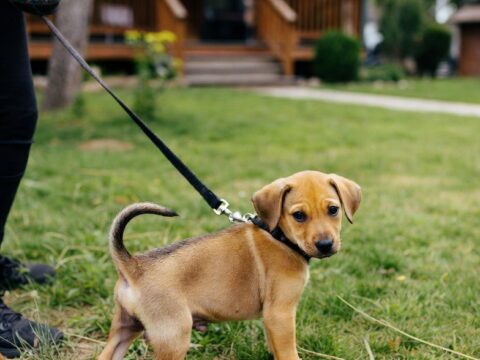
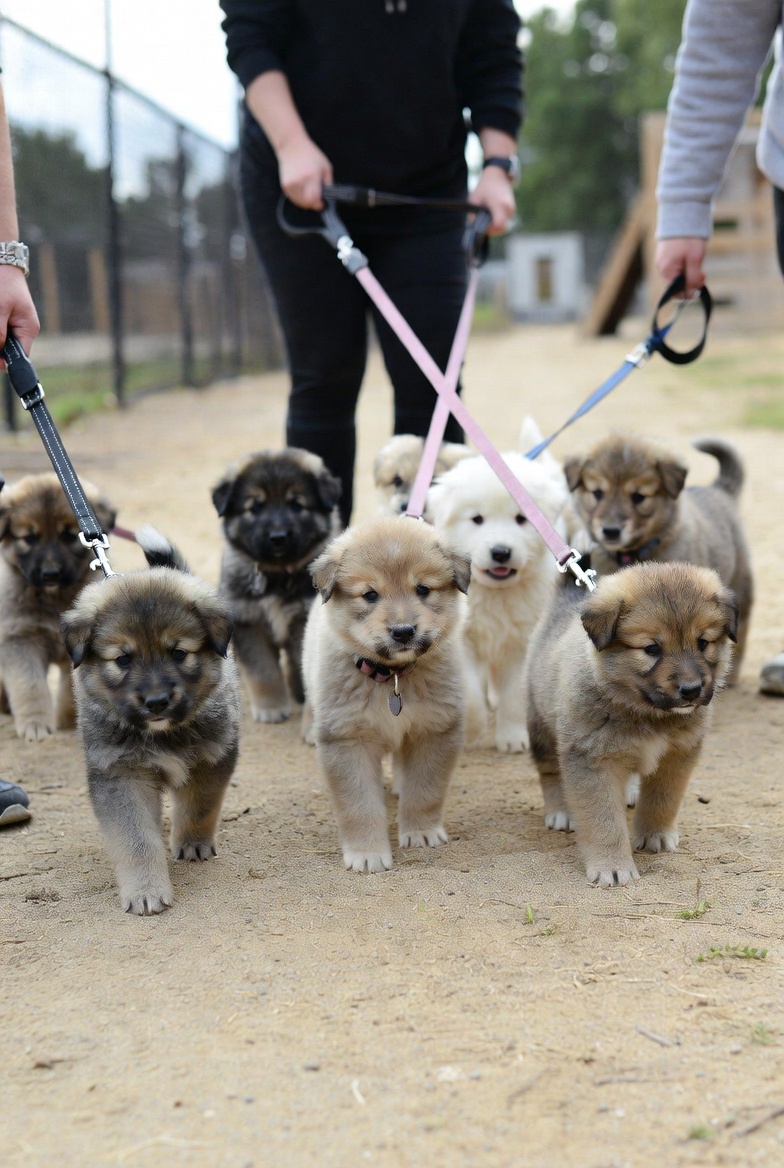
Leash training puppies early builds good habits that last a lifetime. Starting young makes walks enjoyable instead of a pulling battle.
Why Train Early
Puppies learn fastest between 8-16 weeks when they’re eager and adaptable. Early exposure prevents pulling, lunging, or fear on leash. Positive experiences build confidence around movement and distractions.
Basic Equipment
Use a lightweight flat collar or harness—no slip or prong collars. A 4-6 foot nylon or leather leash works best. Avoid retractables; they teach pulling. Carry tiny treats and toys for rewards.
First Indoor Drags
Let your puppy wear the collar or harness for days with treats for tolerance. Clip on the leash indoors, let them drag it supervised while you sit nearby. Reward calm checks. Remove before naps or crating. Goal: comfort, not walking.
Hand-Held Practice Indoors
Pick up the leash end, say your puppy’s name happily, and reward any glance. Walk a few steps, treat for following loosely. Stop if they pull—resume when slack. Keep sessions 2-3 minutes, multiple times daily.
Adding Direction Changes
Walk in circles, figure-eights, or about-turns. When puppy pulls forward, change direction casually. Reward loose leash moments. This teaches “stay with me pays off” without stopping dead.
Outdoor Introduction
Start in quiet yard or driveway. Short 5-minute outings, high treats for staying near. Ignore lunges at grass or bugs—distract with food, keep moving. End on success before frustration.
Common Puppy Pulls
Puppies dart for smells or people. Stop moving until leash slacks, then reward and continue. For forging ahead, speed up bursts reward attention, then slow. Never yank—stay patient.
Building Duration
Gradually extend walks to 10-15 minutes. Practice “with me” cue: happy voice, treat lure near your leg. Fade lures by rewarding from hand at side. Add mild distractions like parked cars.
Handling Distractions
Near doors or people, ask for sit first, then proceed. Reward focus on you over staring elsewhere. Practice passing calm dogs at distance, treating heavily. Progress slowly—success breeds confidence.
Family Consistency
Everyone walks same way: reward loose, ignore tight. Kids hold treats low to encourage position. Track walks in a log for progress. Inconsistent handling confuses puppies.
Fun Games for Engagement
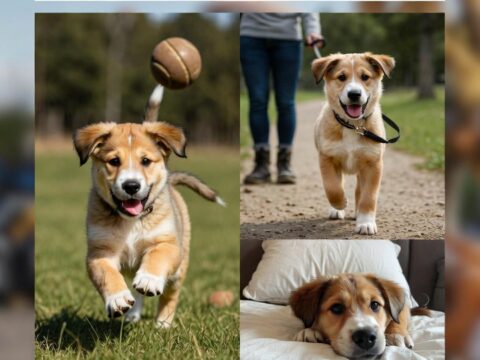
Turn walks into play: “find treats” scattered ahead, recall games mid-walk, or squeaky toy bursts. Happy movement keeps puppies hooked. Tired from play pulls less.
Advanced Loose Leash
Heel position optional; loose is goal. Variable rewards prevent treat dependency. Practice 20-minute neighborhood loops. Problem areas? Extra sessions there. Most puppies master basics by 6 months.