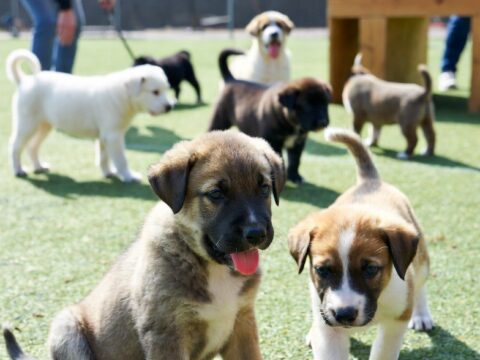
Puppy training transforms chaotic energy into reliable companionship, starting with housebreaking basics and progressing to clear commands.
Housebreaking Foundations
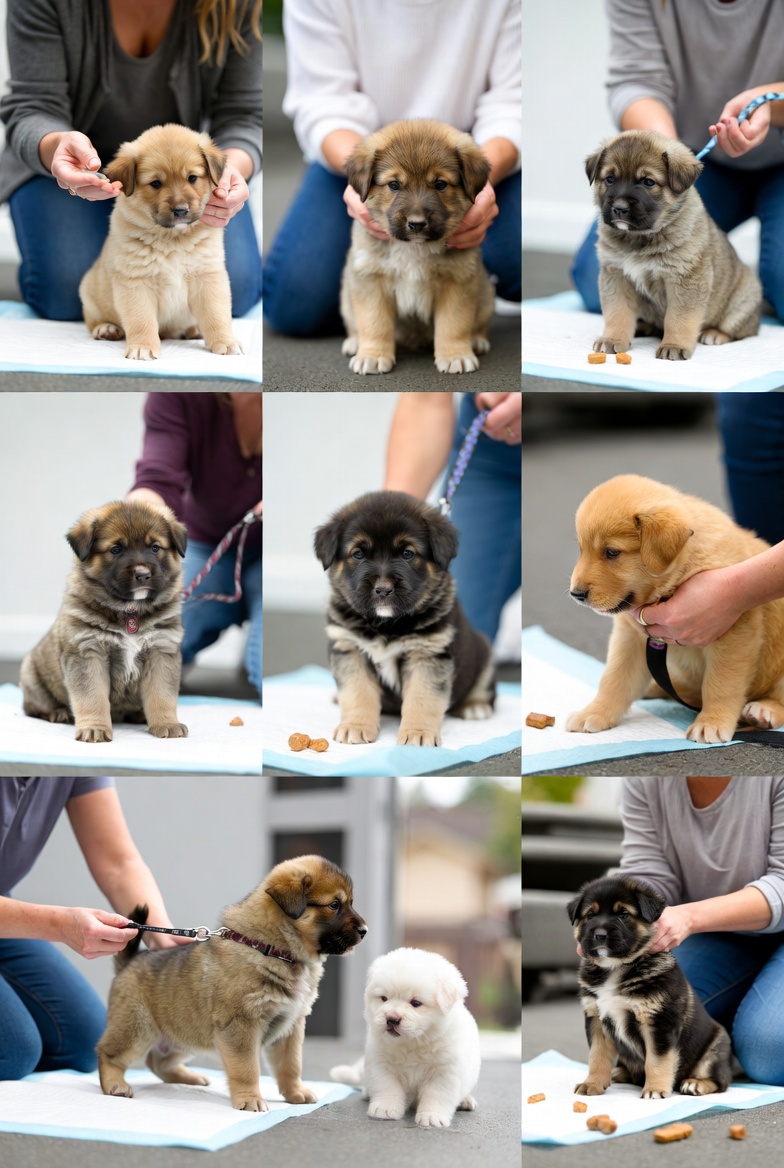
Housebreaking relies on a puppy’s instinct to stay clean in sleeping areas combined with consistent routines. Feed three to four small meals daily at set times, then immediately take your puppy outside to a designated potty spot on a leash. Praise enthusiastically and offer a treat the moment they finish eliminating to create a strong positive association. Young puppies need breaks every 30-60 minutes when awake, after naps, play, and drinks—supervise constantly indoors or use a crate when you can’t watch to prevent accidents.
Crate Training Integration
Introduce a properly sized crate as a safe den, not punishment. Feed meals inside with the door open, toss treats randomly, and practice short closures building to naps. At night, place it beside your bed for reassurance. Puppies rarely soil their immediate sleeping space, so crate time speeds reliability while teaching self-settling. Always potty first thing upon release.
Recognizing Potty Signals
Watch for sniffing, circling, whining, or stillness—these signal impending accidents. Interrupt calmly with “outside” and rush to the spot without scolding. Clean indoor messes with enzymatic cleaners to remove scent cues. Over days, puppies learn to hold longer; most 12-week-olds manage 4-hour stretches, reaching overnight success by 4-6 months with consistency.
Basic Commands: Name and Sit
Begin with name recognition: say it happily when calm, reward eye contact with treats. Practice 10 times daily until they snap to attention. For sit, hold a treat above the nose, move back over the head—the rear drops naturally. Mark “yes” as haunches hit the ground, then treat. Lure before meals or doors for relevance.
Come and Leave It
Recall starts indoors: call name + “come” excitedly, back up clapping, reward jackpot when they reach you. Never chase or call for baths. “Leave it” uses a closed fist with treat inside—reward from other hand when they back off or look away. Progress to dropped food, building impulse control.
Leash Manners
Let puppies drag a leash indoors for comfort, then hold it for short sessions rewarding slack moments. Stop walking if they pull; resume on looseness. Practice direction changes and circles to keep attention. Short, fun outings in quiet areas build positive associations before adding distractions.
Handling and Biting
Redirect mouthing to toys immediately, yelping “ouch” sharply for hard nips then freezing play. Teach gentle mouths by rewarding soft contact. Daily handling—paws, ears, mouth—prevents vet visit struggles. Consistent family rules curb jumping: turn away, reward four paws down.
Daily Routine Structure
Anchor training in schedule: potty, short session, play, nap, repeat. Five-minute bursts multiple times daily prevent frustration. End on success to build confidence. Tired puppies from exercise and enrichment learn faster without overtired crankiness.
Socialization Essentials
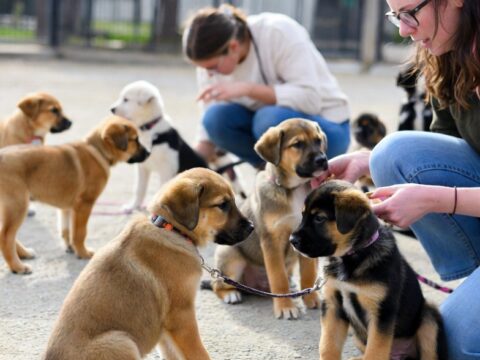
Expose to gentle people, sounds, surfaces during 8-16 week window—always pair with rewards. Puppy classes offer safe dog interactions under supervision. Let shy pups retreat; force overwhelms. Quality over quantity prevents fear.
Progress Tracking and Patience
Log successes: accident-free days, reliable sits, calm leashes. Fade treats to praise or toys as behaviors stick. Plateaus normal—revert to easier versions. Most puppies master basics by 6 months; advanced reliability takes a year. Positive consistency yields polite partners without force.