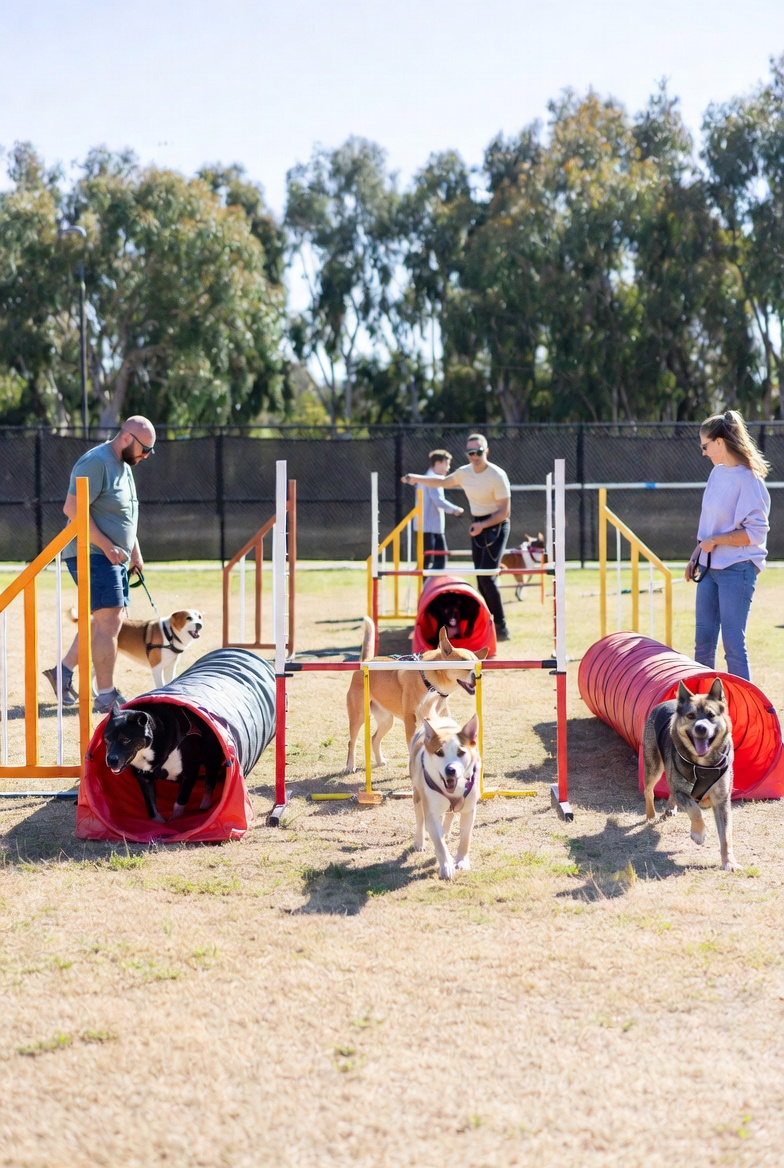
Dog agility training offers an exciting, high-energy outlet for active dogs and their owners. This fast-paced sport involves guiding your dog through obstacle courses featuring jumps, tunnels, weave poles, and contact obstacles like the A-frame and dog walk. Whether your pup is a bouncy border collie or an enthusiastic mixed breed, agility builds fitness, sharpens focus, and deepens your bond. Finding local classes is straightforward with the right approach, and beginner-friendly options abound in most areas.
Why Choose Dog Agility Training for Your Dog
Agility provides exceptional physical and mental benefits. Dogs burn energy through running, jumping, and navigating challenges, helping maintain a healthy weight, strengthen muscles, and improve cardiovascular health. High-energy breeds especially thrive, channeling their drive into productive activity rather than destructive behaviors.
Mentally, agility demands quick thinking, problem-solving, and responsiveness to cues. Dogs learn to follow handler directions from a distance, boosting focus and impulse control. Shy or anxious dogs often gain confidence as they master obstacles in a supportive setting. The teamwork aspect strengthens the human-canine relationship through clear communication and shared success.
Agility suits various ages and abilities. Puppies and young dogs build foundations safely with modified equipment, while adults and even seniors (with adjusted heights) enjoy the stimulation. Many owners report reduced boredom-related issues and a happier, more balanced companion.
### Benefits Beyond the Course
Agility enhances overall well-being. It promotes better body awareness, coordination, and flexibility, reducing injury risk in daily life. Socialization occurs in classes with other dogs and handlers, improving manners around distractions.
For owners, agility offers exercise and community. Running courses provides cardio, while group classes foster friendships with like-minded enthusiasts. The sense of accomplishment from progressing—from beginner skills to trials—keeps motivation high.
Even non-competitive participation yields rewards. Many classes emphasize fun over competition, allowing casual enjoyment without pressure.
Major Agility Organizations and Their Styles
Several organizations govern agility in the US, each with unique rules and vibes.
– **AKC (American Kennel Club)**: Popular and widespread, with events at local clubs. It features varied jump heights and emphasizes precision.
– **USDAA (United States Dog Agility Association)**: Known for challenging courses and international appeal, offering classes for different skill levels.
– **NADAC (North American Dog Agility Council)**: Focuses on fun, speed, and accessibility, with lower contacts and emphasis on handler-dog teamwork.
– **CPE, UKI, ASCA**: Offer beginner-friendly, inclusive formats with varied obstacles.
These groups list affiliated clubs and trials on their websites, making it easy to locate nearby options.
How to Find Local Dog Agility Classes
Start with online searches: “dog agility training near me” or “agility classes [your city]”. Results often include facilities like Zoom Room, independent trainers, or clubs.
Check major organizations:
– AKC: Use their club finder for local groups offering classes.
– USDAA and NADAC: Search their directories for affiliated clubs and trainers.
– Facebook groups or Reddit (r/Agility) provide recommendations and reviews.
Pet stores like PetSmart or community centers sometimes host intro sessions. Look for beginner or foundations classes requiring basic obedience first.
Contact facilities directly—many offer trial classes or evaluations. Ask about prerequisites (vaccinations, age, basic manners), class size (smaller for personalized attention), and equipment (indoor/outdoor, beginner-friendly lowered obstacles).
Read reviews on Yelp or Google for insights into trainer style and atmosphere.
### What to Expect in Beginner Agility Classes
Beginner classes focus on foundations rather than full courses. Expect flatwork: teaching cues for direction changes, rear-end awareness, and impulse control games.
Introduce obstacles gradually—tunnels, low jumps, targets for contacts. No full-height equipment for young or novice dogs to ensure safety.
Positive reinforcement dominates—treats, toys, praise. Classes run 6-8 weeks, 45-60 minutes weekly.
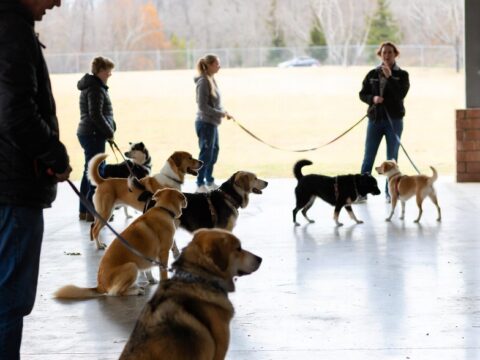
Handlers learn handling techniques: positioning, timing cues, rewarding properly. Group dynamics provide distractions to build focus.
Safety is paramount: warm-ups, proper warm-ups, no forcing dogs, and monitoring for fatigue.
Prerequisites often include basic obedience and maturity (8+ months typically).
### Tips for Getting Started and Staying Safe
Choose positive, experienced trainers. Observe a class first if possible.
Start slow—puppies need joint-safe activities; consult vets on age-appropriate jumping.
Invest in good gear: harness, treats, clicker.
Practice consistency at home with short sessions.
Attend open houses or fun matches to try skills without pressure.
Agility is addictive—many start for fun and progress to competitions.
Finding local dog agility classes opens doors to adventure for active pups. With benefits spanning fitness, confidence, and bonding, it’s rewarding for energetic dogs and dedicated owners. Search today—your next favorite activity awaits nearby!