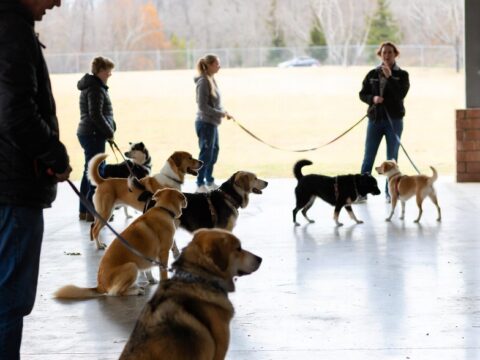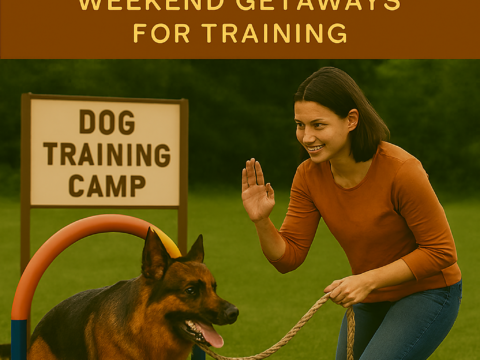
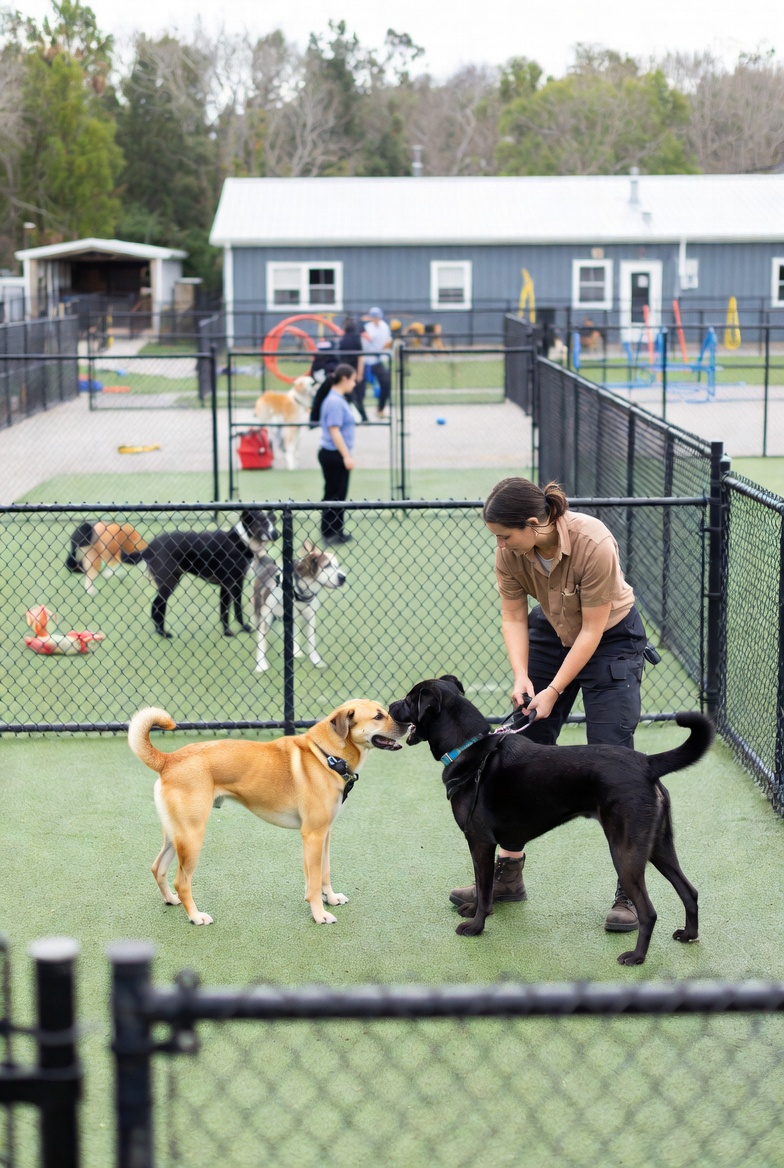
Residential dog training, often called board and train or intensive immersion programs, involves sending your dog to stay with professional trainers for a set period—typically 2 to 8 weeks. During this time, the dog lives in a structured environment, receiving daily, focused sessions on obedience, behavior modification, and socialization. These programs appeal to owners facing time constraints, complex issues like reactivity or aggression, or those seeking rapid, reliable results. While not a one-size-fits-all solution, intensive residential training offers distinct advantages over traditional weekly classes or in-home sessions.
Understanding Residential Dog Training Programs
Residential programs place dogs in a trainer’s home, facility, or controlled boarding setup. Trainers work multiple times daily, using positive reinforcement (and sometimes balanced methods) to teach commands, manners, and impulse control. Programs range from basic obedience “boot camps” to specialized ones addressing severe behaviors.
The immersive format removes home distractions, allowing consistent reinforcement 24/7. Every interaction—meals, walks, play—becomes a teaching moment. Owners receive handover lessons and follow-up support to maintain progress. This approach accelerates learning by providing repetition, expert timing, and environmental management unavailable in sporadic home training.
Accelerated Learning and Faster Results
One primary benefit is speed. Dogs in residential programs often achieve in weeks what might take months at home. Multiple daily sessions build strong foundations quickly, with trainers capitalizing on focused attention spans for rapid reinforcement.
Consistency eliminates mixed signals common in busy households. Professional timing and technique ensure behaviors solidify faster. For high-energy or stubborn dogs, this intensive repetition proves transformative, yielding reliable obedience amid distractions sooner.
Many programs include proofing in varied settings, generalizing skills beyond the training environment. Owners return to a dog with polished manners, reducing frustration and building confidence early.
Expert Guidance and Professional Expertise
Trainers in reputable residential programs bring years of experience handling diverse breeds and issues. They assess each dog individually, tailoring approaches to learning style, temperament, and goals.
This expertise shines with complex problems—reactivity, anxiety, or resource guarding—where novice owners struggle. Professionals use proven methods, avoiding common pitfalls and ensuring safety.
The controlled setting allows strategic distraction introduction without reinforcing bad habits. Trainers manage triggers precisely, building resilience effectively.
Consistency and Reduced Distractions
Home environments naturally present challenges: family interruptions, inconsistent rules, or tempting triggers like counters or visitors. Residential programs eliminate these, creating a predictable routine where good behavior receives constant reinforcement and poor habits lack opportunity.
This environmental control accelerates progress. Dogs learn without practicing unwanted behaviors between sessions, preventing regression. The structured lifestyle—regular exercise, mental stimulation, and clear boundaries—fosters calm, focused dogs ready for home transition.
Addressing Serious Behavioral Issues Effectively
For dogs with aggression, fear, separation anxiety, or severe leash reactivity, residential training often excels. Intensive daily work allows deep behavior modification, with trainers observing patterns and adjusting in real time.
The immersion builds confidence through success in controlled challenges. Many programs specialize in these cases, offering hope where group classes or private lessons fall short due to safety or progress pace.
Socialization and Confidence Building in a Safe Environment
Quality programs provide supervised socialization with compatible dogs and people, teaching appropriate interactions. Controlled exposure builds social skills and reduces fear-based responses.
The supportive setting helps shy or anxious dogs gain confidence through mastery of tasks and positive experiences. This foundation improves real-world interactions post-program.
Convenience for Busy Owners
Residential training suits owners with demanding schedules, travel, or limited training ability due to physical constraints or inexperience. Professionals handle intensive work, delivering a “jump-started” dog.
Many include owner education—transfer sessions, videos, or ongoing support—ensuring skills transfer home. This convenience makes meaningful change accessible without daily owner commitment.
Long-Term Benefits and Owner Empowerment
Intensive programs yield lasting improvements when owners follow through. Dogs return with solid foundations, making maintenance easier. Owners learn handling techniques, cues, and management strategies during handovers.
The investment often prevents future issues, reducing stress and enhancing the human-canine bond. Many report happier, more integrated family pets.
Residential dog training offers powerful benefits through immersion, expertise, and consistency. For dogs needing rapid progress or intensive intervention, these programs provide structured transformation unavailable elsewhere. Choose reputable, positive-leaning facilities with strong reviews, clear methods, and owner involvement for best outcomes. With commitment to follow-up, intensive residential training can create well-mannered, confident companions for life.