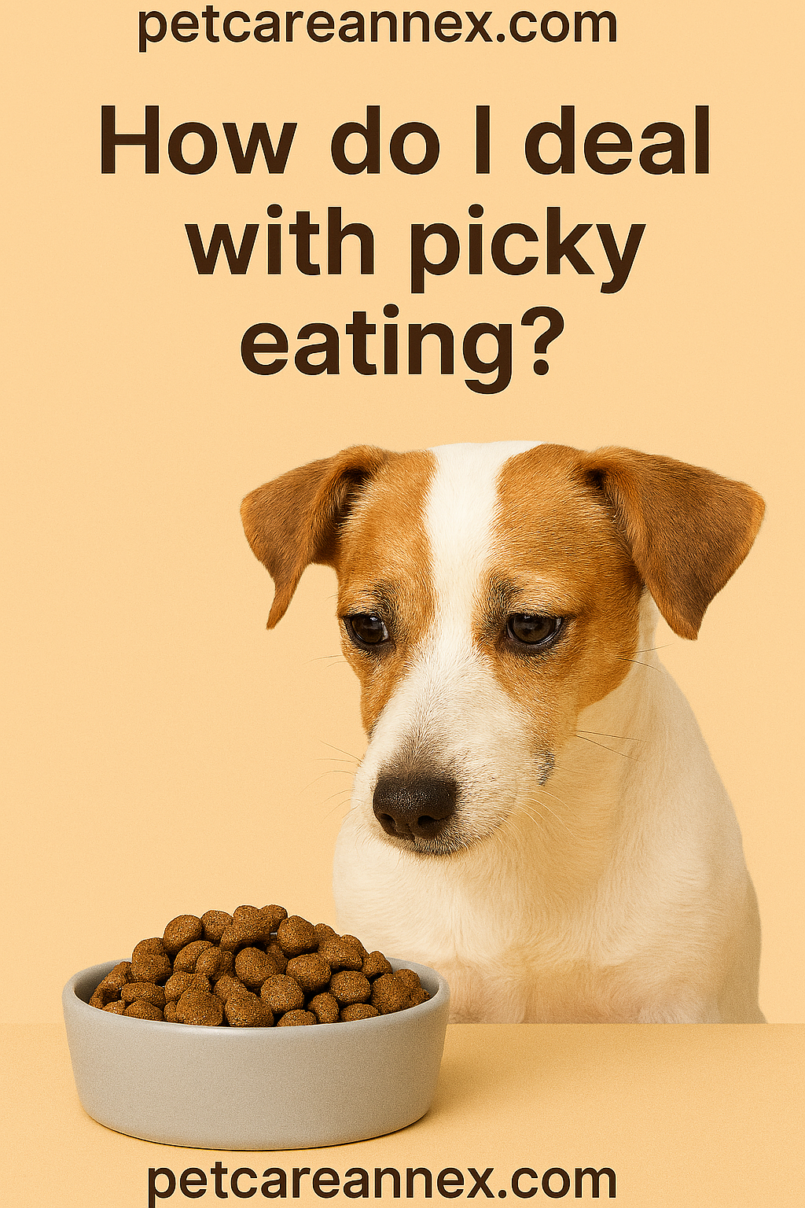
Picky eating in dogs is common and often stems from learned habits, boredom, or health issues rather than true nutritional needs. With patience and consistency, you can encourage better eating without force-feeding or drama.
Common Causes of Picky Eating
Dogs may turn up their noses at food due to recent diet changes, competition from tastier human scraps, or simply realizing they can “hold out” for something better. Medical factors like dental pain, gastrointestinal upset, or parasites can also reduce appetite, so rule these out first with a vet check.
Overfeeding treats or varying meals too often creates fussy habits, as dogs thrive on routine and predictability.
Rule Out Health Problems First
Sudden pickiness, weight loss, vomiting, diarrhea, or lethargy signal potential issues like infections, thyroid problems, or oral disease. Schedule a vet exam including bloodwork and fecal tests to ensure no underlying conditions are at play before tweaking diet.
Puppies and seniors are especially prone to appetite changes from growth spurts, medications, or age-related decline.
Transition Foods Gradually
Abrupt switches from kibble to wet food (or vice versa) cause stomach upset and refusal. Mix 25% new food with 75% old for 3-4 days, then 50/50, increasing slowly over 7-10 days to let taste buds and gut adjust without rebellion.
Warm food slightly to enhance aroma, mimicking fresh prey appeal.
Establish Mealtime Rules
Feed twice daily at set times, removing uneaten food after 15-20 minutes to create mild hunger without starvation risk. No scraps, treats, or attention during meals—reward finishing with praise or a quick play session post-bowl.
Consistency across family members prevents mixed signals.
Enhance Appeal Without Spoiling
Top kibble with a teaspoon of plain low-sodium broth, plain pumpkin puree, or vet-approved fish oil for flavor and health boosts. Puzzle feeders or scatter kibble in grass engage natural foraging instincts, turning meals into mental work that picky eaters enjoy.
Avoid unhealthy add-ins like cheese or bacon, which reinforce bad habits.
Measure Portions Accurately
Overfeeding leads to fat dogs who snub full bowls. Use a measuring cup based on your dog’s ideal weight, activity level, and food calorie density—consult packaging or a vet for exact amounts to prevent leftover slop and begging.
Split into smaller, frequent meals if your dog gulps too fast.
Try Different Textures or Brands
If one kibble flops, test high-quality alternatives with novel proteins like salmon or duck for allergies. Rotate flavors monthly but stick to one type per week to avoid further fussiness.
Wet food toppers or freeze-dried raw mixes add moisture and palatability for seniors or toothless pups.
When to Seek Professional Help
Persistent refusal over 2-3 days, despite tweaks, warrants a vet revisit for appetite stimulants, diagnostics, or prescription diets. Behaviorists help if anxiety or learned helplessness plays a role.
Never use punishment, as it worsens aversion.
Long-Term Prevention Strategies
Stick to a single high-quality diet lifelong, limiting treats to 10% of calories. Daily exercise builds hunger, while routine deworming and dental care keep eating comfortable.
Track weight monthly to catch drifts early.
10 Frequently Asked Questions About Dealing with Picky Eating
1. Why did my dog suddenly become picky?
Sudden changes often tie to stress, illness, new environments, or accidental high-value treats teaching them to hold out. Vet exam first, then resume routine.
2. How long can I leave food down before removing it?
15-20 minutes max per meal creates healthy hunger without risk—free-feeding fosters pickiness by removing scarcity cues.
3. Is it okay to mix wet food with kibble?
Yes, as a topper (1-2 tablespoons) to boost appeal, but not as a full switch without gradual transition to avoid digestive upset.
4. What if my puppy won’t eat?
Pups under 6 months need prompt attention—check teeth, parasites, or overfeeding milk/formula. Offer small frequent meals and call vet if refusal lasts 24 hours.
5. Does warming food help picky eaters?
Yes, microwaving kibble for 10-15 seconds releases aromas mimicking fresh kills, enticing sniffers without burning.
6. Can I use low-calorie toppers for overweight dogs?
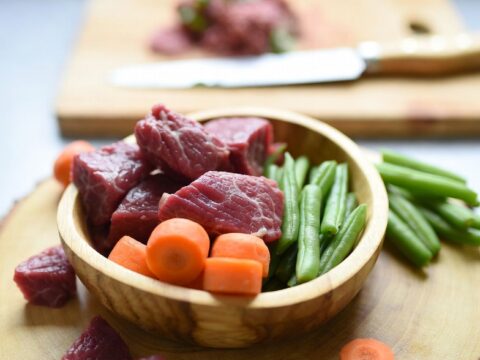
Plain pumpkin, green beans, or broth work well—fiber fills without calories, but measure to stay under 10% treat limit.
7. Why does my senior dog get pickier?
Aging dulls senses, dental pain arises, or medications suppress appetite. Softened kibble, vet dental check, and warming help most.
8. Is hand-feeding a good solution?
Temporary only (1-2 days) to restart eating; long-term creates dependency. Use to teach tricks instead, pairing food with sits or downs.
9. What foods should I never use as toppers?
Chocolate, grapes, onions, xylitol products, fatty meats—these sicken or kill. Stick to dog-safe like yogurt or blueberries sparingly.
10. How do I prevent pickiness in a new puppy?
Set mealtime rules day one: scheduled feeds, bowl up after time limit, no scraps. Choose palatable puppy food and stick to it religiously.