A raw food diet for dogs—often called a BARF (Biologically Appropriate Raw Food) or RMBD (Raw Meat‑Based Diet)—has become increasingly popular among pet owners who want to feed their dogs a more “natural” diet. While some dogs thrive on raw food, this approach comes with real risks and must be planned carefully. This article explains the potential benefits, key safety concerns, and a practical step‑by‑step guide for how to start a raw diet safely if your veterinarian agrees it is appropriate for your dog.
What Is a Raw Food Diet for Dogs?
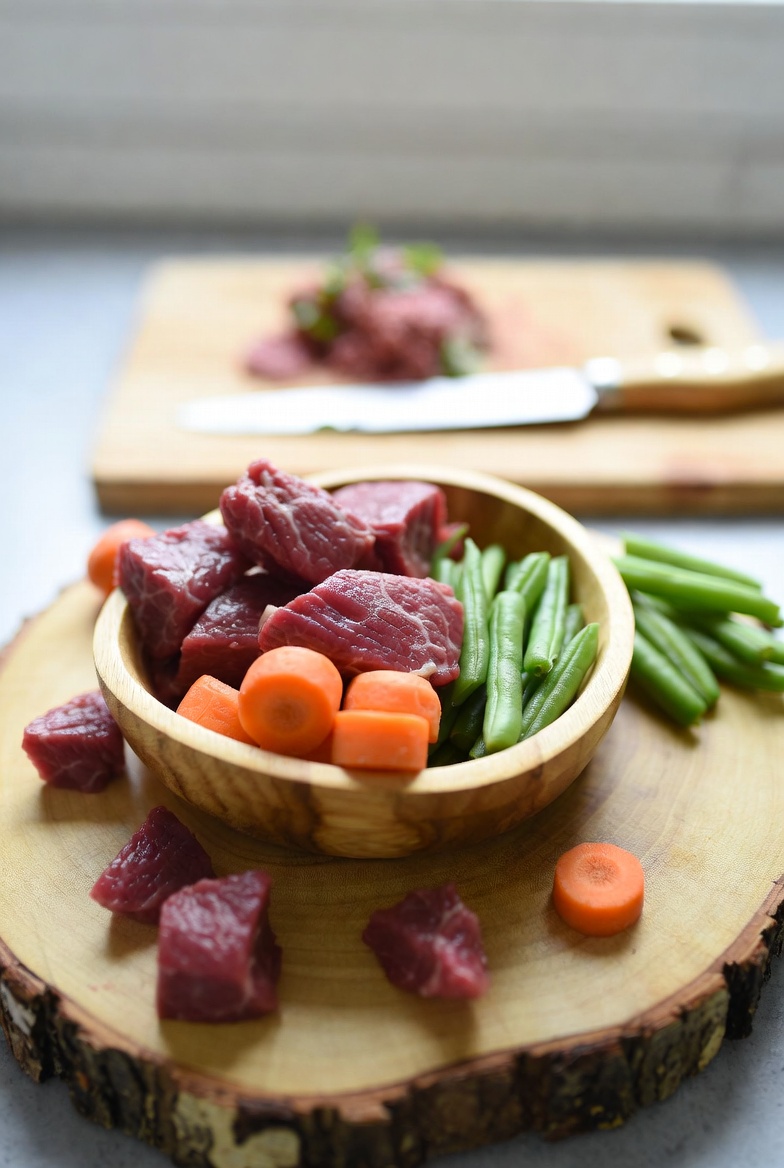
A raw food diet typically includes uncooked meat, bones, organs, eggs, and sometimes vegetables, fruits, and supplements. The idea is to mimic what a dog might eat in the wild, using whole, minimally processed ingredients instead of kibble or canned food. Commercial raw diets are available frozen or freeze‑dried, while some owners prepare homemade raw meals.
Whether you choose commercial or homemade, the most important thing is that the diet is nutritionally balanced and safe. Raw diets are not suitable for every dog or every household, especially those with young children, immunocompromised people, or dogs with certain medical conditions.
Potential Benefits of a Raw Diet
Many raw‑diet advocates report improvements such as shinier coats, healthier skin, cleaner teeth, smaller stools, and higher energy levels. Some dogs with food sensitivities or digestive issues also do better on a carefully formulated raw diet, especially when problematic ingredients from commercial foods are removed.
Because raw diets are usually high in protein and fat, they can help maintain lean muscle mass and support weight management in active dogs. Owners also appreciate knowing exactly what goes into their dog’s food and having more control over ingredients and portion sizes.
Key Risks and Safety Concerns
Raw meat can carry harmful bacteria such as Salmonella, E. coli, and Listeria, which pose risks to both dogs and humans. Studies show that raw pet food is more likely to be contaminated than other types of pet food, and dogs on raw diets can shed these bacteria in their feces, increasing the chance of human exposure.
Nutritional imbalances are another major concern. Many homemade raw recipes lack the right amounts of calcium, phosphorus, vitamins, and minerals, which can lead to bone problems, poor coat quality, or organ damage over time. Veterinary organizations such as the AVMA, AAHA, and the FDA generally discourage raw diets because of these combined health and safety risks.
When a Raw Diet Might Be Considered
Some veterinarians may consider a raw diet for dogs with specific medical or behavioral issues, such as chronic digestive problems, food allergies, or severe picky eating, as long as the diet is designed by a board‑certified veterinary nutritionist. Even then, raw diets are usually not recommended for puppies, dogs with kidney or liver disease, pancreatitis, or weakened immune systems.
If you are thinking about a raw diet, the first step should be a conversation with your veterinarian. They can review your dog’s health history, discuss alternatives (such as cooked homemade diets), and help you decide whether raw feeding is appropriate and safe for your situation.
How to Start a Raw Food Diet Safely
If your veterinarian approves a raw diet, start slowly and methodically. Begin by choosing a commercially prepared raw food that carries an AAFCO “complete and balanced” statement for your dog’s life stage. These products are formulated to meet nutritional standards and are generally safer than random homemade recipes.
Introduce the raw food gradually over 7–10 days, mixing increasing amounts of raw food with decreasing amounts of the old diet. This helps your dog’s digestive system adjust and reduces the risk of vomiting or diarrhea. Monitor your dog closely for any changes in stool, energy level, or appetite, and contact your vet if problems arise.
Handling and Hygiene Best Practices
Because of the risk of bacterial contamination, strict hygiene is essential. Always wash your hands thoroughly with soap and water after handling raw food or anything that has touched it. Use separate bowls, cutting boards, and utensils for your dog’s raw food, and clean them with hot, soapy water or in the dishwasher.
Store raw food according to the label instructions, usually in the freezer or refrigerator, and discard any leftovers that have been sitting out for more than 20–30 minutes. Pick up your dog’s feces promptly and avoid letting them lick your face or share food‑preparation surfaces with humans.
10 Frequently Asked Questions (FAQs)
1. Is a raw food diet safe for dogs?
A raw diet can be safe for some dogs if it is properly formulated, handled, and monitored, but it carries real risks. Bacterial contamination and nutritional imbalances are common concerns, and major veterinary organizations generally advise against raw diets. Always consult your veterinarian before starting one.
2. Can I feed my dog only raw meat?
No—feeding only raw meat is not nutritionally complete. Dogs need a balance of protein, fat, vitamins, and minerals, including calcium and phosphorus. A diet of plain meat can lead to deficiencies and health problems over time. Use a balanced raw formula or work with a veterinary nutritionist.
3. Are bones safe in a raw diet?
Raw bones can be part of some raw diets and may help clean teeth, but they also pose choking, tooth‑fracture, and intestinal‑blockage risks. Cooked bones are especially dangerous because they splinter easily. If you include bones, choose appropriate sizes and supervise your dog closely.
4. Can puppies eat a raw food diet?
Puppies have very specific nutritional needs for growth, and many homemade raw diets do not provide the correct calcium‑phosphorus ratio. This can lead to bone deformities and developmental problems. Most experts recommend avoiding raw diets for puppies unless they are carefully designed by a veterinary nutritionist.
5. How do I know if a raw diet is balanced?
Look for a commercial raw food that states it is “complete and balanced” for your dog’s life stage according to AAFCO standards. For homemade diets, have the recipe reviewed by a board‑certified veterinary nutritionist to ensure it meets all essential nutrient requirements.
6. What are the signs of a nutritional imbalance?
Signs can include poor coat quality, weak or painful bones, lethargy, weight loss or gain, and digestive issues. In severe cases, dogs may develop fractures, seizures, or organ dysfunction. If you notice any of these changes after starting a raw diet, contact your veterinarian immediately.
7. Can I switch my dog to raw food suddenly?
No—sudden changes can upset your dog’s stomach. Gradually mix increasing amounts of raw food with decreasing amounts of the old diet over 7–10 days. If your dog has a sensitive stomach, extend the transition period and watch for vomiting, diarrhea, or loss of appetite.
8. Are there safer alternatives to a raw diet?
Yes. Many dogs benefit from high‑quality commercial foods or cooked homemade diets designed by a veterinary nutritionist. These options can provide similar improvements in coat, energy, and digestion without the bacterial and nutritional risks of raw feeding.
9. Can raw food help with allergies or skin problems?
Some dogs with food allergies or skin issues improve on a carefully controlled raw diet because it removes common allergens and additives. However, the benefit often comes from the specific ingredients and balance, not from “raw” alone. Always work with your vet to identify true food allergies and choose an appropriate diet.
10. How often should I feed a raw diet?
Most adult dogs do well with one or two meals per day, similar to kibble feeding schedules. Portion size depends on your dog’s weight, age, and activity level. Follow the feeding guidelines on the raw‑food package or those provided by your nutritionist, and adjust based on your dog’s body condition.
Final Tips for Success
If you decide to try a raw food diet, treat it as a serious nutritional project, not a casual experiment. Keep detailed records of what you feed, how your dog looks and feels, and any changes in stool or behavior. Schedule regular veterinary check‑ups and bloodwork to monitor your dog’s health over time.
Ultimately, the “best” diet is one that keeps your dog healthy, fits your lifestyle, and has your veterinarian’s approval. Whether that diet is raw, cooked, or commercial, the goal is the same: a happy, energetic dog with a shiny coat, good digestion, and a long, healthy life.