Choosing the best dog food can feel overwhelming, with so many brands, formulas, and labels promising “premium” nutrition. The truth is that a high‑quality diet can make a big difference in your dog’s energy, coat, digestion, and long‑term health. This guide walks you through what to look for in dog food, highlights some top picks, and answers 10 common questions so you can make a confident choice for your pup.
What Makes the Best Dog Food?
The best dog food starts with real, recognizable ingredients and a balanced nutrient profile. Look for a named animal protein as the first ingredient, such as “chicken,” “beef,” or “salmon,” rather than vague terms like “meat meal” or “by‑product.” The food should meet AAFCO (Association of American Feed Control Officials) standards for your dog’s life stage—puppy, adult, or senior.
High‑quality dog foods also limit artificial preservatives, colors, and fillers like corn, wheat, and soy. Instead, they use whole grains, vegetables, and healthy fats to support digestion, skin, and coat health. If your dog has allergies, sensitivities, or medical conditions, your veterinarian may recommend a limited‑ingredient or prescription formula.
Types of Dog Food to Consider
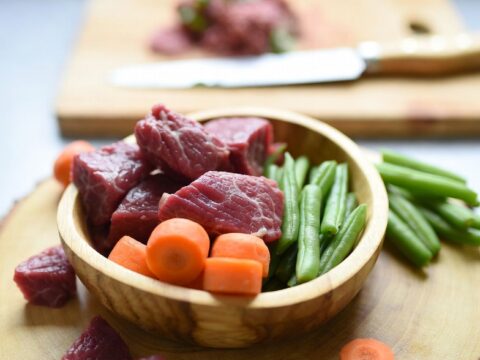
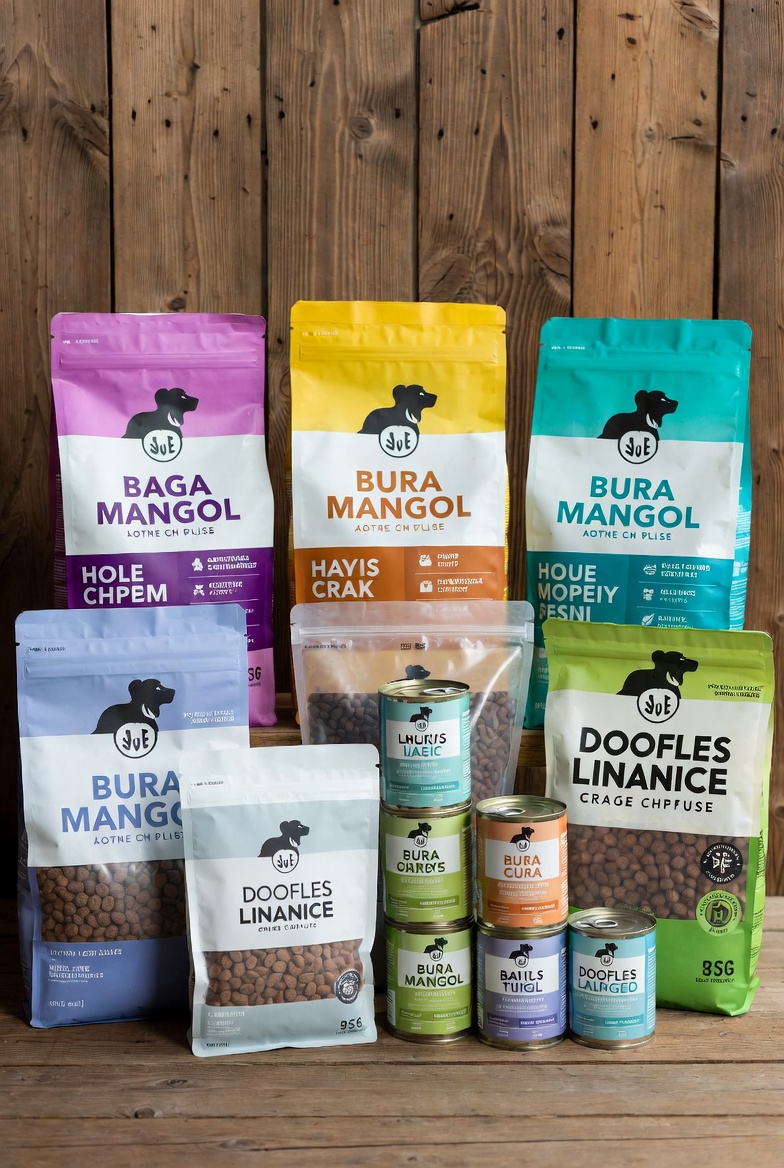
Dry kibble is the most common and convenient option, offering good shelf life and dental benefits for many dogs. Wet or canned food adds moisture and flavor, which can help picky eaters or dogs who need extra hydration. Fresh and frozen diets, delivered by subscription, are gaining popularity because they use gently cooked, human‑grade ingredients and often follow veterinary nutrition guidelines.
Raw and freeze‑dried foods appeal to owners who want a more “natural” diet, but they require careful handling and may not be suitable for every dog or household. No matter which type you choose, the key is consistency, proper portioning, and veterinary approval.
Top Picks for Overall Nutrition
Many recent reviews and vet‑recommended lists highlight brands such as Purina Pro Plan, Hill’s Science Diet, Royal Canin, Orijen, Nature’s Logic, and Open Farm as strong choices for balanced nutrition. These brands typically use high‑quality proteins, avoid unnecessary fillers, and support specific needs like weight management, sensitive stomachs, or joint health.
Fresh‑food services like JustFoodForDogs and The Farmer’s Dog are also frequently rated highly for their research‑backed recipes and tailored feeding plans. While these options can be more expensive, they offer convenience and peace of mind for owners who want a more customized diet.
How to Choose the Right Food for Your Dog
The “best” dog food depends on your dog’s age, size, activity level, and health status. Puppies need more calories and protein for growth, while seniors often benefit from joint support and easier‑to‑digest formulas. Active working dogs may require higher‑fat diets, while couch‑potato pups do better with calorie‑controlled options.
Always read the label and check the guaranteed analysis for protein, fat, and fiber. When in doubt, ask your veterinarian for a recommendation based on your dog’s medical history. A vet can also help you transition your dog to a new food gradually to avoid digestive upset.
10 Frequently Asked Questions (FAQs)
1. What is the best dog food for overall health?
There is no single “best” food for every dog, but brands like Purina Pro Plan, Hill’s Science Diet, Royal Canin, Orijen, and Nature’s Logic are frequently recommended by veterinarians for their balanced nutrition and quality ingredients. The best choice for your dog will depend on age, breed, weight, and any health conditions.
2. Is grain‑free dog food better?
Grain‑free food is not automatically better for all dogs. Some dogs do well on grain‑free diets, especially if they have grain allergies, but others thrive on formulas that include healthy grains like brown rice, oats, or barley. Recent research has also linked some grain‑free diets to heart issues in certain dogs, so it’s wise to discuss this with your vet before switching.
3. Can I mix dry and wet dog food?
Yes, many owners successfully mix dry and wet dog food to improve flavor and moisture intake. Just make sure the total daily calories match your dog’s needs and that both foods are appropriate for their life stage. Gradually introduce any mix to avoid stomach upset.
4. How much should I feed my dog?
The amount depends on your dog’s weight, age, activity level, and the specific food’s feeding guidelines. Most bags and cans include a chart that estimates portions by weight. If your dog gains or loses weight unexpectedly, adjust portions or consult your vet for a tailored plan.
5. Are fresh or raw diets safe?
Fresh and raw diets can be safe for many dogs when properly formulated and handled, but they carry risks such as bacterial contamination and nutrient imbalances if not designed by veterinary nutritionists. If you are considering a raw or fresh diet, choose a reputable brand that follows AAFCO or WSAVA guidelines and talk to your veterinarian first.
6. What ingredients should I avoid in dog food?
Avoid foods that list vague meat sources, artificial preservatives (like BHA, BHT, or ethoxyquin), and excessive fillers such as corn, wheat, and soy as main ingredients. Also be cautious with foods that contain too many artificial colors or flavors, which add no nutritional value and may trigger sensitivities.
7. Is homemade dog food better than commercial food?
Homemade food can be nutritious, but it is difficult to balance properly without veterinary guidance. Many home recipes lack essential nutrients or contain harmful ingredients. If you want to cook for your dog, work with a veterinary nutritionist to design a complete and balanced meal plan.
8. How do I know if a dog food is high quality?
Look for a named animal protein as the first ingredient, an AAFCO statement for your dog’s life stage, and limited artificial additives. High‑quality foods also list specific vitamins and minerals instead of relying on vague “natural flavors.” Reputable brands often share information about their research, feeding trials, and manufacturing practices.
9. Can I switch my dog’s food suddenly?
No—sudden changes can cause vomiting, diarrhea, or gas. To switch foods safely, gradually mix increasing amounts of the new food with decreasing amounts of the old food over 7–10 days. If your dog has a sensitive stomach, extend the transition period and monitor for any adverse reactions.
10. When should I change my dog’s food?
Consider changing your dog’s food if they show signs of allergies, digestive issues, weight gain or loss, or if their life stage changes (for example, from puppy to adult or adult to senior). Your vet may also recommend a switch if your dog develops conditions like kidney disease, diabetes, or joint problems that require a special diet.
Simple Tips for Feeding Success
To get the most benefit from the best dog food, feed at consistent times, measure portions accurately, and avoid overfeeding treats. Provide fresh water at all times and monitor your dog’s body condition—ideally, you should be able to feel their ribs without seeing them prominently. Regular check‑ups with your veterinarian can help you fine‑tune your dog’s diet as they age or their lifestyle changes.
By focusing on quality ingredients, proper portioning, and veterinary guidance, you can choose a dog food that supports your pup’s health, energy, and happiness for years to come.