
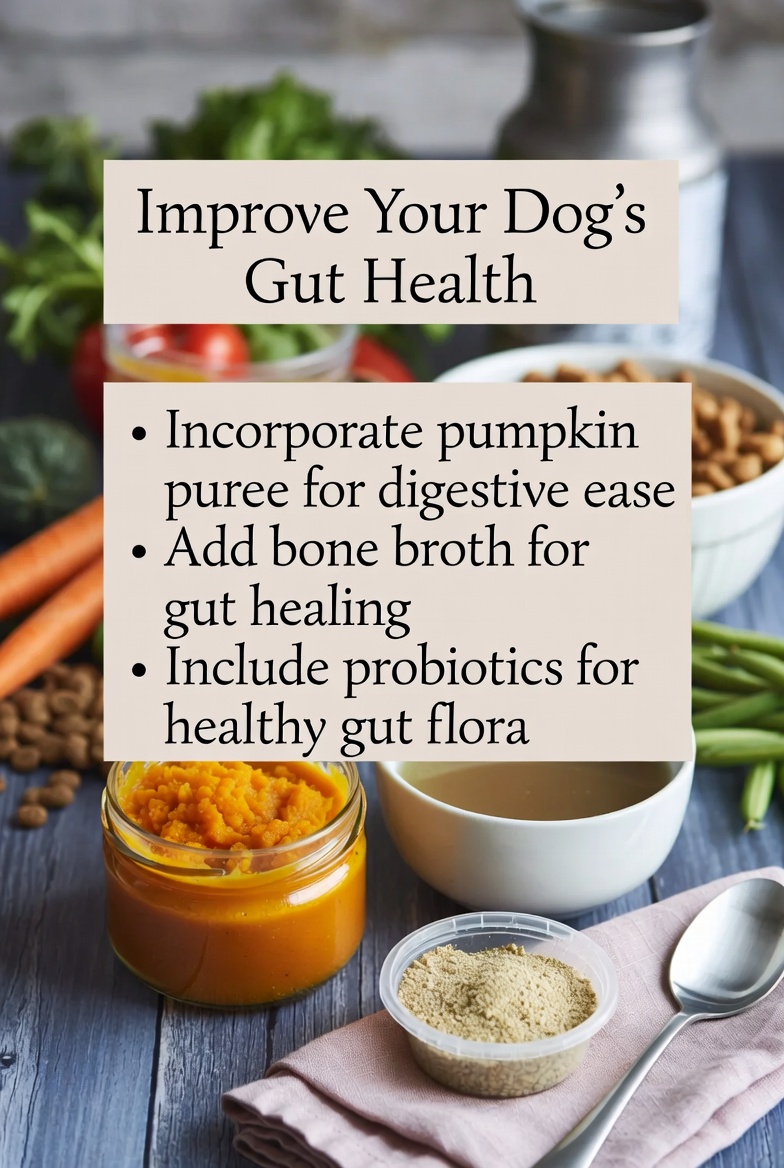
How to Improve Dog Gut Health: Natural Remedies and Diet Tips
A healthy gut is the foundation of your dog’s overall well‑being. The digestive system affects everything from energy and immunity to skin and coat quality. When your dog’s gut is out of balance, you may see symptoms such as diarrhea, constipation, gas, vomiting, or frequent licking and chewing. The good news is that many gut issues can be improved with simple diet changes, natural remedies, and good daily habits.
Why Gut Health Matters for Dogs
Your dog’s gut is home to trillions of bacteria, collectively called the microbiome. These microbes help break down food, absorb nutrients, and support the immune system. When the balance of “good” and “bad” bacteria is disrupted—by stress, antibiotics, poor diet, or illness—your dog can develop digestive upset and even skin or behavioral problems.
Improving gut health often means feeding the right foods, adding beneficial bacteria and fiber, and reducing irritants. A balanced gut can lead to firmer stools, less gas, better energy, and fewer allergy‑like symptoms over time.
Feed a High‑Quality, Species‑Appropriate Diet
The single most important thing you can do for your dog’s gut is to feed a high‑quality diet that suits their species and life stage. Look for foods with named animal proteins (such as chicken, turkey, or salmon) as the first ingredient and avoid long lists of fillers, artificial preservatives, and cheap grains. Many dogs thrive on diets that are moderate in carbohydrates and rich in digestible protein.
If your dog has a sensitive stomach, your veterinarian may recommend a limited‑ingredient or hypoallergenic formula. For some dogs, a fresh or lightly cooked diet (under veterinary guidance) can also support better digestion. Always transition foods gradually over 7–10 days to avoid upsetting the gut.
Add Probiotics and Prebiotics
Probiotics are live beneficial bacteria that help restore balance in the gut. You can find probiotic supplements made specifically for dogs, or use vet‑approved sources such as plain, unsweetened yogurt with live cultures or kefir. Probiotics can be especially helpful after antibiotics, diarrhea, or periods of stress.
Prebiotics are types of fiber that feed the good bacteria already in the gut. Common prebiotic sources for dogs include pumpkin, sweet potato, and certain vegetables such as carrots, broccoli, and leafy greens. Many commercial dog foods and supplements also include prebiotics like inulin or FOS.
Use Fiber to Regulate Digestion
Fiber plays a key role in gut health by helping stool form properly and supporting healthy gut bacteria. Plain canned pumpkin (not pie filling) is a popular fiber source that can help both diarrhea and mild constipation. Typical small‑dog doses are about ½–1 tablespoon, medium dogs 1–2 tablespoons, and large dogs 2–4 tablespoons per day, mixed into food.
Other fiber options include cooked sweet potato, green beans, and small amounts of well‑cooked oats. Introduce fiber slowly and watch your dog’s response; too much too quickly can cause gas or loose stools.
Try Bone Broth and Gentle Foods
Bone broth is a soothing, nutrient‑rich addition to many dogs’ diets. It contains collagen, amino acids, and gelatin that can help repair the gut lining and reduce inflammation. Homemade bone broth (without onions, garlic, or excess salt) or vet‑approved commercial bone broths can be offered in small amounts over food or as a treat.
For dogs with active digestive upset, a short period of a bland diet—such as boiled lean chicken or turkey with white rice—can give the gut a chance to rest. Serve small, frequent meals and gradually reintroduce regular food over several days as symptoms improve.
Limit Irritants and Processed Treats
Some ingredients can irritate a sensitive gut, including artificial colors, flavors, and preservatives, as well as very fatty or spicy human foods. Avoid giving your dog table scraps that are high in fat, salt, or sugar, and be cautious with rawhide or heavily processed treats that are hard to digest.
If your dog has recurring gut issues, consider an elimination diet under veterinary guidance to identify food sensitivities. Common culprits include certain grains, dairy, or specific proteins. Removing these irritants can significantly improve long‑term gut health.
Support Gut Health with Hydration and Routine
Water is essential for healthy digestion. Make sure your dog always has access to clean, fresh water, especially if they eat dry kibble. Dehydration can worsen constipation and slow gut motility, so encourage drinking with clean bowls, water fountains, or a splash of low‑sodium broth if your dog is reluctant.
Regular feeding times, consistent exercise, and low‑stress routines also support gut function. Dogs thrive on predictability, and sudden changes in schedule or environment can trigger digestive upset. Keeping life as calm and consistent as possible helps maintain a stable microbiome.
10 Frequently Asked Questions (FAQs)
1. What are signs of poor gut health in dogs?
Common signs include diarrhea, constipation, frequent gas, vomiting, mucus or blood in the stool, weight loss, dull coat, and excessive licking or chewing of paws or skin. If symptoms persist or worsen, contact your veterinarian.
2. Can probiotics help my dog’s digestion?
Yes—probiotics can help restore beneficial bacteria after antibiotics, diarrhea, or stress. Choose a dog‑specific product or vet‑approved yogurt/kefir, and follow dosing guidelines carefully.
3. Is pumpkin safe for dogs every day?
Plain canned pumpkin is usually safe in small, regular amounts for most dogs. However, very large doses can cause loose stools or nutrient imbalances, so use it as a supplement, not a main food.
4. How can I add fiber to my dog’s diet naturally?
Good natural fiber sources include pumpkin, sweet potato, green beans, carrots, and small amounts of well‑cooked oats or brown rice. Introduce new foods slowly and watch for changes in stool.
5. Are raw diets better for gut health?
Raw diets are not automatically better and can carry bacterial risks. If you consider raw feeding, work with a veterinarian or veterinary nutritionist to ensure the diet is balanced and safe for your dog.
6. Can stress affect my dog’s gut?
Yes—stress can disrupt the gut microbiome and trigger diarrhea, vomiting, or appetite changes. Calming routines, exercise, and, if needed, vet‑recommended calming aids can help reduce stress‑related gut issues.
7. Should I fast my dog if they have an upset stomach?
Short, controlled fasting (with water available) can help some adult dogs with mild digestive upset, but it is not appropriate for puppies, seniors, or dogs with certain health conditions. Always check with your vet before withholding food.
8. What foods should I avoid for gut health?
Avoid high‑fat human foods, sugary snacks, artificial additives, and anything toxic to dogs (such as onions, garlic, chocolate, or xylitol). These can irritate the gut or cause more serious illness.
9. How long does it take to improve a dog’s gut health?
Mild imbalances may improve in days to weeks with diet changes and probiotics. Chronic or severe issues can take longer and may require veterinary testing and prescription diets or medications.
10. When should I see a vet for gut problems?
Contact your veterinarian if your dog has persistent diarrhea or vomiting, blood in the stool, severe lethargy, abdominal pain, or signs of dehydration. These can indicate serious conditions that need prompt treatment.
Simple Daily Habits for a Happy Gut
Improving your dog’s gut health does not have to be complicated. Focus on a high‑quality diet, regular probiotics or fiber when appropriate, plenty of fresh water, and a low‑stress routine. Avoid sudden diet changes and monitor your dog’s stool, appetite, and energy levels closely.
With consistent care and veterinary guidance when needed, most dogs can enjoy better digestion, stronger immunity, and a more comfortable, energetic life. A healthy gut is one of the best gifts you can give your dog for long‑term well‑being.