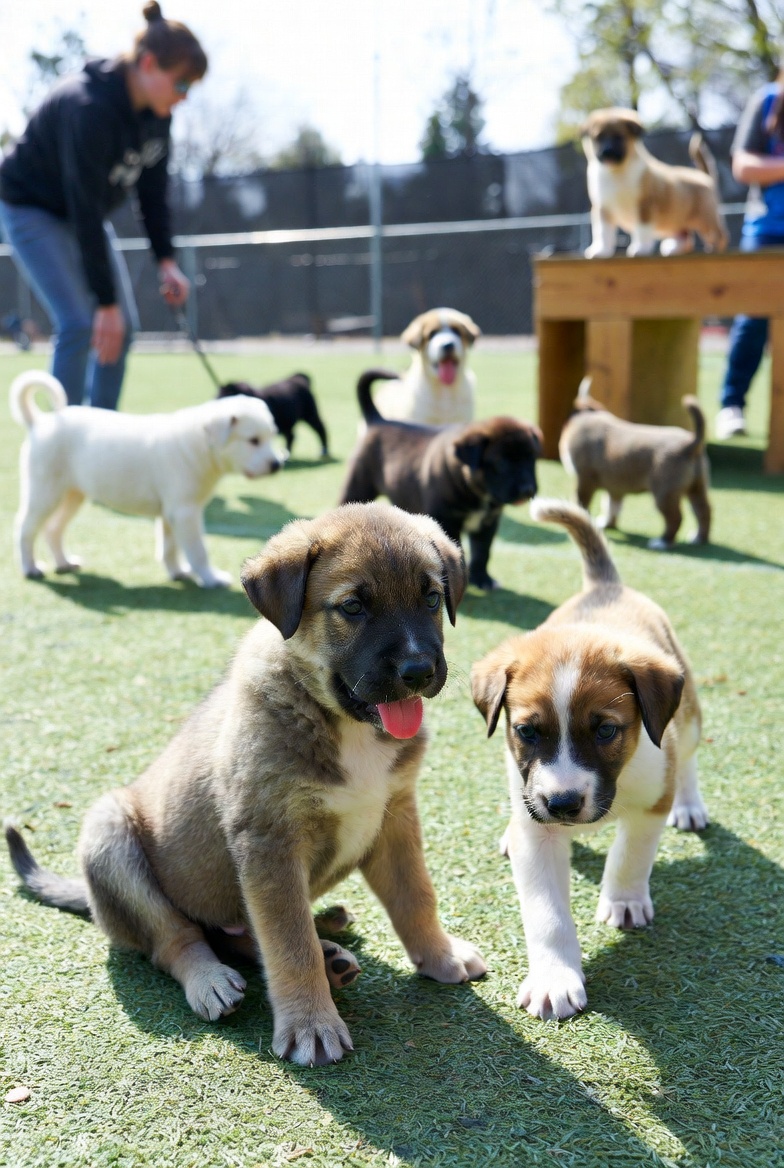
Puppy training starts with simple habits that build trust and good behavior from day one. Beginners should focus on short, fun sessions using treats and praise to make learning enjoyable.
Why Start Training Early
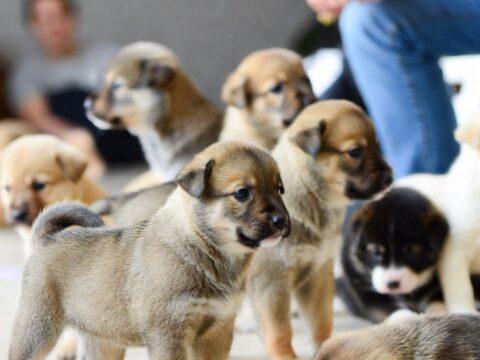
Puppies learn fastest between 8 and 16 weeks, when they are open to new experiences and eager to please. Early training prevents problems like jumping, nipping, or poor leash manners before they become habits. Positive methods create a confident dog who looks to you for guidance instead of acting on impulse.
Essential Supplies for Training
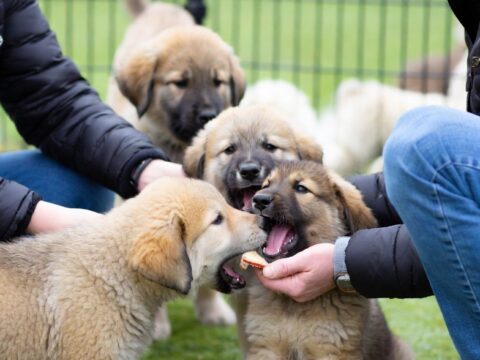
Gather a few basics: high-value treats like small bits of chicken or cheese, a comfortable collar and 6-foot leash, chew toys for redirection, and a clicker if you want precise marking. A crate or playpen helps with house training and naps. Keep sessions to 5 minutes so your puppy stays focused without getting frustrated.
Build a Daily Routine
Dogs thrive on predictability, so set times for meals, potty breaks, play, and training. Feed 3-4 small meals a day and take your puppy out immediately after eating, waking, or playing. Short training fits between these: one session after breakfast, another mid-morning. Consistency teaches your puppy what to expect and speeds up learning.
Teach Name Recognition
Say your puppy’s name in a happy tone when they are calm and looking at you, then reward with a treat. If they don’t respond, gently turn their face toward you and try again. Practice 5-10 times daily until they snap to attention on their name alone. This foundation helps with every other cue.
Mastering the Sit Command
Hold a treat above your puppy’s nose and move it back over their head; their rear will naturally drop. Say “sit” as they do it, then reward immediately. Practice before meals or doors to make it useful. Add duration by asking for a few seconds before treating, building impulse control gently.
Introduce Come When Called
Start indoors: say your puppy’s name and “come” in an excited voice, then back up a few steps clapping or making kissy noises. Reward with big praise and a jackpot treat when they reach you. Never chase or call for punishment. Gradually add distance and mild distractions like toys.
Leash Walking Basics
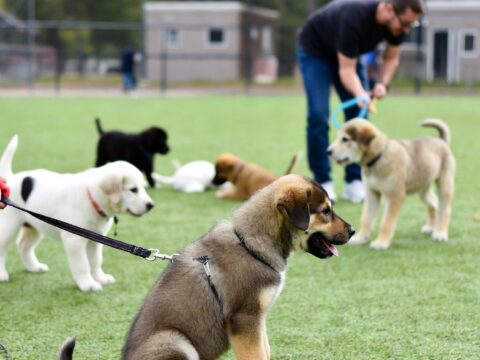
Let your puppy drag a leash indoors to get used to it, rewarding calm following. Outdoors, stop moving if they pull, and reward when the leash goes slack. Keep walks short and fun at first, turning it into a game of staying near you for treats. Praise smooth walking more than speed.
Curb Mouthing and Biting
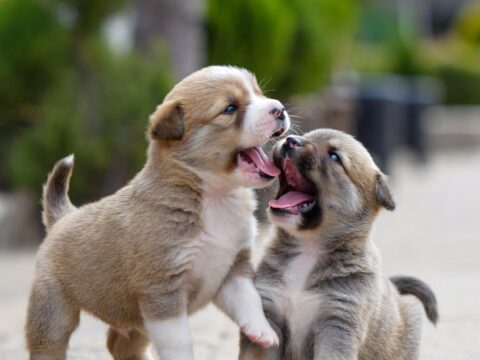
When your puppy nips, say “ouch” sharply and stop play, offering a toy instead. Freeze or walk away for 30 seconds if needed. Reward soft mouths or toy chewing heavily. Provide frozen chews for teething relief. Tired puppies bite more, so enforce naps after play.
House Training Fundamentals
Take your puppy out every 1-2 hours, after naps, meals, and play. Choose one potty spot and praise wildly for going there. Supervise constantly indoors or use a crate when you can’t. Clean accidents with enzymatic cleaner. Most puppies catch on in 2-4 weeks with no punishment.
Crate Training for Calm
Make the crate cozy with a bed and toys, feeding meals inside with the door open. Toss treats in randomly and close the door for seconds at a time, building up slowly. Use it for naps and bedtime, never as punishment. A settled crate-trained puppy is easier to manage overall.
Socialization Essentials
Expose your puppy to gentle people, sounds, and surfaces daily during their key window. Invite calm friends over, carry them to new spots, and pair novelties with treats. Puppy classes provide safe dog play. Always let them retreat if unsure, keeping experiences positive.
Common Beginner Mistakes
Avoid yelling or physical corrections, which create fear. Don’t expect adult focus from a puppy—keep sessions brief. Repeating cues like “sit sit sit” teaches ignoring you; lure once then help. Free-feeding slows house training. Inconsistency between family members confuses everyone.
Practice and Progress Tips
Train daily in short bursts, fading treats as behaviors stick. Practice in new places to generalize skills. End sessions on success to build confidence. Track wins in a notebook to stay motivated. If stuck, consider a positive-reinforcement class for guidance. Patience turns puppy chaos into a polite partner.