Introduction
Puppy socialisation classes are one of the best investments you can make in your young dog’s future. In just a few weeks, your pup learns that people, dogs, sounds, and new places are safe and even fun. These early experiences shape how your dog will react to the world for the rest of their life. When done well, socialisation classes build confidence, reduce fear, and lay the groundwork for a well‑mannered, adaptable companion.
What Socialisation Really Means
Socialisation is more than just meeting other dogs; it’s about teaching your puppy how to handle everyday life. A well‑run class introduces your pup to different people, outfits (hats, coats), surfaces, and gentle noises in a controlled way. The goal is for your puppy to experience “new” and think “no big deal,” because new things consistently lead to calm, positive outcomes. Instead of flooding your pup with chaos, classes offer bite‑sized experiences that match their age and confidence level.
Why the Early Weeks Matter
Puppies go through a sensitive period—roughly up to 12–16 weeks—when their brains are especially open to learning what is normal and safe. During this window, positive exposure to the world makes it much more likely they’ll grow into a confident adult dog. Missing this period or pairing it with scary events can increase the risk of fear, reactivity, or anxiety later. Socialisation classes are designed to use this window wisely, giving you a structured way to “fill your puppy’s confidence bank” while they’re most ready for it.
Key Elements of a Good Socialisation Class
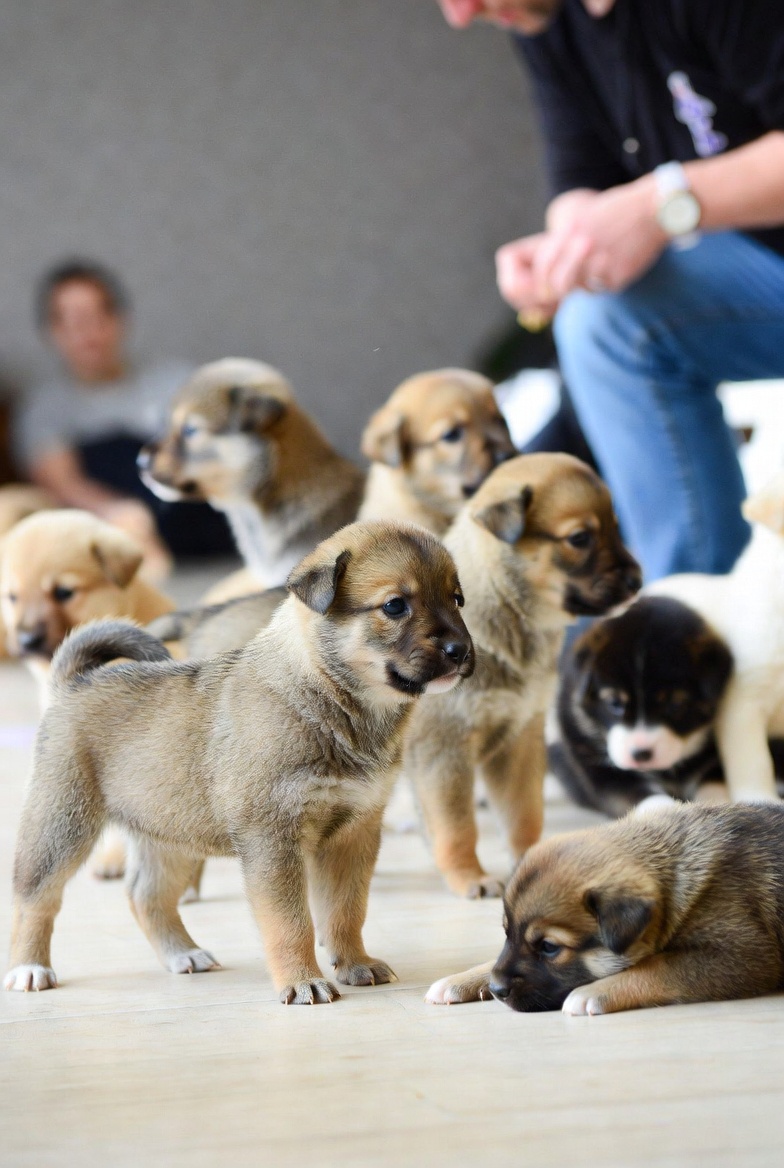
A good class is calm, structured, and supervised—not a wild puppy free‑for‑all. The instructor manages group size so each pup gets attention and can work at their own pace. Sessions usually mix short play intervals, foundations of basic training, and controlled exposure to new sights and sounds. Puppies are allowed to opt out or get extra space if they’re shy, and bolder pups are guided so they don’t overwhelm others. The focus is on quality experiences, not just quantity of dogs or people.
How Classes Build Confidence
Confidence grows when a puppy faces small challenges and succeeds. In class, your pup might walk over a new surface, hear a strange noise, or be gently handled while getting treats, and each success is rewarded. Over time, your dog learns that feeling uncertain is okay and that looking to you for guidance brings good things. Practising around other puppies also teaches them to focus on you despite distractions, which boosts both their self‑control and their sense of security.
Social Skills With Other Dogs
Puppy socialisation classes teach polite dog‑to‑dog manners early. Under supervision, puppies learn to read signals like play bows, pauses, and “I’ve had enough” body language. Shy pups discover they can retreat or take breaks and often become braver as they learn other dogs aren’t a threat. Over‑confident or rowdy pups learn that gentle play is what keeps the game going, while body‑slamming and bullying get interrupted. These lessons help prevent future problems like fear aggression or rude, pushy behavior at the dog park.
People Skills and Handling Exercises
Beyond dogs, puppies need to learn that humans of all kinds are safe and predictable. Good classes include exposure to people of different ages and appearances, all moving calmly and offering treats in thoughtful ways. Handling exercises—like touching paws, ears, collar, and tail—are paired with rewards so vet and groomer visits feel less scary. Your pup learns that being approached, gently held, or examined is a normal part of life, not something to panic about.
Basics Taught Alongside Socialisation
Most socialisation classes weave in foundational training, which also supports confidence. Puppies practise their name, eye contact with you, simple cues like “sit,” “down,” and “come,” and basic leash skills. Short “settle” or mat exercises teach your pup that it’s okay to relax even when exciting things are happening nearby. Because these skills are taught with rewards and encouragement, your puppy starts to see learning as fun. That positive attitude toward training pays off for the rest of your dog’s life.
Choosing the Right Class
Not all classes are created equal, so it’s worth choosing carefully. Look for small groups, clear vaccination requirements, and an emphasis on positive reinforcement rather than punishment or intimidation. The trainer should be watching body language closely, stepping in if any puppy looks overwhelmed or if play gets too rough. Ask if you can observe a session before enrolling; you should see puppies having mostly positive experiences, with plenty of treats, praise, and breaks. If something feels chaotic or harsh to you, it will feel even more intense to your puppy.
Supporting Your Pup Outside of Class
Socialisation doesn’t stop when class ends—it gives you a template for everyday life. Between sessions, you can gently introduce your puppy to new places, people, and sounds, always at a level they can handle comfortably. Practise the same skills from class—like focusing on you, offering sits, and relaxing on a mat—in different locations. Keep outings short and positive, end before your puppy gets overwhelmed, and treat each new experience as a chance to build their confidence. When you combine a good socialisation class with thoughtful practice at home, you give your pup the best chance to grow into a calm, resilient, and happy adult dog.