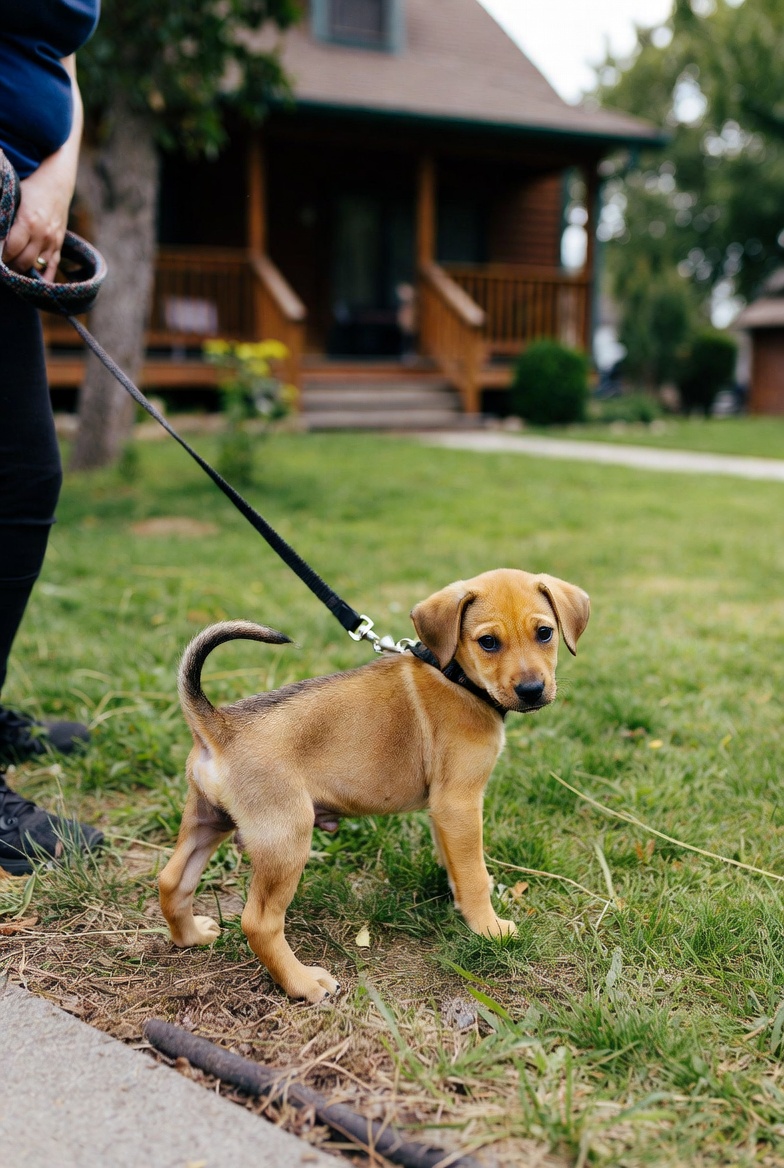
Training your dog to pee outside is mostly about timing, supervision, and clear, consistent habits. When you prevent indoor accidents and heavily reward outdoor potty trips, most dogs learn quickly where they should go. With a simple plan and patience, you can turn housebreaking from a constant battle into a predictable routine.
Set a Consistent Routine
Dogs learn fastest when their day follows a predictable pattern of meals, play, and potty breaks. Feed on a schedule instead of free‑feeding, because most dogs need to eliminate shortly after eating. Take your dog out first thing in the morning, after every meal, after play sessions, after naps, and right before bedtime. Young puppies may also need trips every 1–2 hours when awake, since their bladders are small and control is still developing.
Use Supervision and Confinement
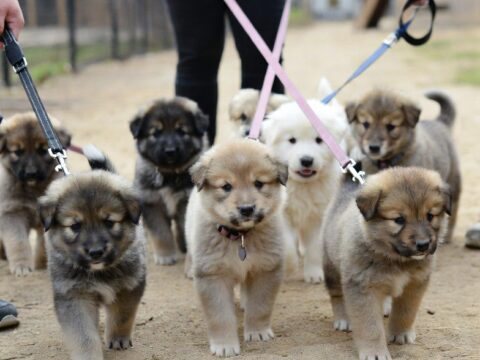
Housebreaking is about preventing mistakes as much as teaching the right place. When you’re home, keep your dog where you can see them—on leash with you, in a small puppy‑proofed area, or gated into one room. If you cannot actively watch them, confine them to a crate or small enclosure they’re unlikely to soil, then take them straight outside as soon as you return. This limited freedom stops hidden accidents and helps your dog associate peeing with being outdoors, not with wandering off to a quiet corner.
Create a Designated Potty Spot
Choose one main outdoor area for bathroom breaks so the scent and routine make the task obvious. Take your dog to that spot on leash, stand mostly still, and give them a few minutes to sniff and choose a place. Keep this time boring—no exciting games—so they focus on peeing instead of exploring. Once they reliably use this spot, you can gradually generalize the cue to similar surfaces like grass or gravel in other locations.
Reward Outdoors Immediately and Generously
The fastest way to teach “pee outside” is to make it feel like the best choice your dog can make. Stand ready with high‑value treats and praise, and reward within a couple of seconds after they finish eliminating outside. Use a cheerful marker word like “yes!” right as they finish, then give several small treats or a short play session. At least in the early stages, make rewards special—something they only get for pottying outdoors—to really drive the point home.
Add a Potty Cue and Door Signal
Once your dog is reliably peeing outside, you can attach a verbal cue like “go potty” said softly as they start to squat. Over time, they’ll learn to eliminate on cue when you say it in that familiar spot. You can also teach a clear signal for going out, such as ringing a bell at the door: help them touch the bell, go straight outside, and reward if they pee. Repeating this sequence teaches them that using the signal brings an opportunity to go and earn rewards outside.
Handle Accidents Calmly and Correctly
Accidents will happen, especially with puppies or newly adopted dogs, but how you respond matters. If you catch them in the act, interrupt gently with a neutral “outside,” and quickly move them to the yard or designated spot to finish, then reward if they do. Do not punish, yell, rub their nose in it, or scold after the fact—dogs do not connect delayed punishment with the earlier accident and may only learn to fear you or hide when they need to go. Clean accidents thoroughly with an enzymatic cleaner so lingering odor doesn’t encourage your dog to use the same indoor spot again.
Consider Crate Training as a Tool
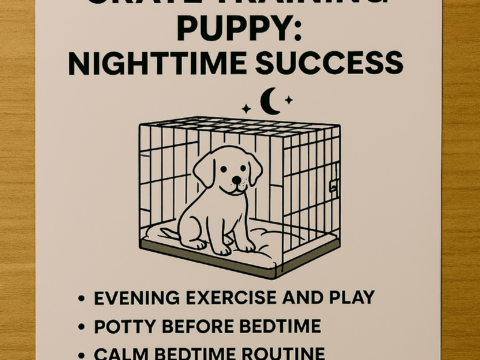
A properly sized crate takes advantage of your dog’s natural tendency to keep their sleeping area clean. The crate should be just big enough for them to stand up, turn around, and lie down; if it’s too large, they may sleep at one end and pee at the other. After any crate time, take them straight outside before anything else and reward outdoor elimination. Used kindly—with treats, toys, and short sessions—the crate becomes a safe den, not a punishment, and can dramatically speed up housebreaking.
Special Cases: Pads, Apartments, and Adult Dogs
If you must use pee pads or indoor options (for example, in high‑rise apartments or with very tiny dogs), remember you are teaching two toilet locations, which can slow the transition to outdoors later. Try to keep pads in one consistent area and gradually move them toward the door and then outside if your goal is eventual outdoor‑only pottying. Adult dogs who were never fully housebroken often benefit from the same puppy‑style program: tight supervision, confinement, immediate outdoor rewards, and restricted access to high‑value indoor surfaces like rugs.
Staying Patient and Knowing When to Get Help
Every dog learns at a different pace; some catch on in weeks, others need a few months of careful routine. If your dog seems to regress suddenly, or you notice straining, frequent small pees, blood, or discomfort, consult a vet to rule out medical problems like urinary tract infections. When the issue is confusion rather than health, stepping back to basics—more supervision, more outdoor trips, and richer rewards—usually gets progress moving again. With consistency and kindness, most dogs learn that the real bathroom is outside and that using it is well worth their while.