Leaving your puppy with someone else while you go on vacation is not automatically cruel; it can actually be a responsible, caring choice when you select safe, attentive care and prepare your puppy well. Cruelty comes from neglect, unsafe conditions, or emotional disregard—not from choosing a trusted sitter, family member, or professional boarding facility that can meet your puppy’s needs while you’re away.
In many cases, professional boarding or a committed pet sitter offers more consistent supervision, structure, and enrichment than your puppy would get if they were left alone or only checked on occasionally. When done thoughtfully, staying with someone else can help your puppy build confidence, social skills, and resilience around short separations from you.
How Puppies Experience Being Left With Someone Else
Puppies are adaptable and, with proper support, can handle short-term separations quite well, especially in safe, predictable environments. A good caregiver provides routine (meals, potty breaks, naps), gentle handling, and opportunities to play and explore, which helps reduce stress and keeps your puppy feeling secure.
Some puppies may show mild stress at first (reduced appetite, extra clinginess, or soft stools), but these signs usually ease as they settle into the new routine. Over time, learning that “my person leaves and comes back, and I’m safe in between” can actually lower the risk of severe separation anxiety later in life.
Benefits of Leaving Your Puppy With a Trusted Caregiver
Good boarding facilities and experienced sitters offer professional supervision, structured play, and immediate response if something goes wrong—things that are hard to guarantee if your puppy is left alone for long periods. Many reputable facilities have secure fencing, safety protocols, and sometimes on-call veterinary support, which lowers the risk of accidents or unrecognized illness.
Group boarding or daycare-type environments can also give your puppy safe, supervised socialization with other dogs and people, which is crucial during their early development window. Instead of being lonely at home, your puppy gets play, enrichment, and positive experiences in a new setting.
Real Risks and How to Reduce Them
There are some risks with any change of environment, including exposure to illnesses like kennel cough, temporary stress, or minor scuffles with other dogs, but reputable facilities work hard to minimize these. They typically require up-to-date vaccinations, maintain strict cleaning routines, and group dogs by size and temperament to reduce conflict.
To lower risk, visit the facility or meet the sitter in advance, ask about vaccination policies, supervision, emergency protocols, and how they handle shy or nervous puppies. Choosing a clean, organized, transparent operation with trained staff and clear communication is the best way to protect your puppy’s health and well-being.
10 FAQs About Leaving Your Puppy With Someone Else
1. Is it emotionally harmful to leave my puppy while I travel?
For most puppies, a short stay with a safe, caring person or facility is not emotionally harmful and can even build resilience if they are supported well. Harm is more likely when a puppy is left in chaotic, unpredictable, or neglectful conditions, not simply because their owner went on vacation.
2. Is professional boarding better than leaving my puppy at home alone?
In many cases, yes: boarding or a full-time sitter offers constant supervision, structured routine, and safety measures that a mostly empty house cannot provide. Leaving a young puppy home with only occasional drop-ins can mean long stretches without bathroom breaks, social contact, or help if something goes wrong, which is not ideal.
3. What are the main benefits of boarding or using a sitter?
Key benefits include professional care, secure facilities, regular exercise and play, and close monitoring for signs of illness or stress. For you, it offers peace of mind, knowing your puppy is supervised rather than isolated or unsafely confined at home.
4. What risks should I know about when boarding my puppy?
Possible risks include exposure to contagious illnesses, temporary stress or anxiety, and rare injuries from play with other dogs. Good facilities reduce these risks with vaccination requirements, hygiene protocols, temperament-based groupings, and emergency vet plans.
5. How can I tell if a boarding facility or sitter is good enough?
Look for cleanliness, secure enclosures, clear vaccination rules, knowledgeable staff, and willingness to answer questions and offer a tour. Ask about staff training, dog-to-staff ratios, daily routines, and how they handle shy, young, or anxious dogs.
6. Is my puppy too young to be left with someone else?
Very young puppies (under about 12 weeks) have special needs, but they can still be cared for by a capable sitter or specialized puppy-friendly facility if necessary. The key is frequent potty breaks, gentle socialization, appropriate vaccination status, and close supervision tailored to their age.
7. Could boarding help prevent separation anxiety later?
Yes, positive short separations—where your puppy is cared for, entertained, and safe—can help them learn that time away from you is manageable. Regularly practicing low-stress separations with trusted caregivers may reduce the risk of severe separation issues later in life.
8. What should I do before I leave my puppy with someone?
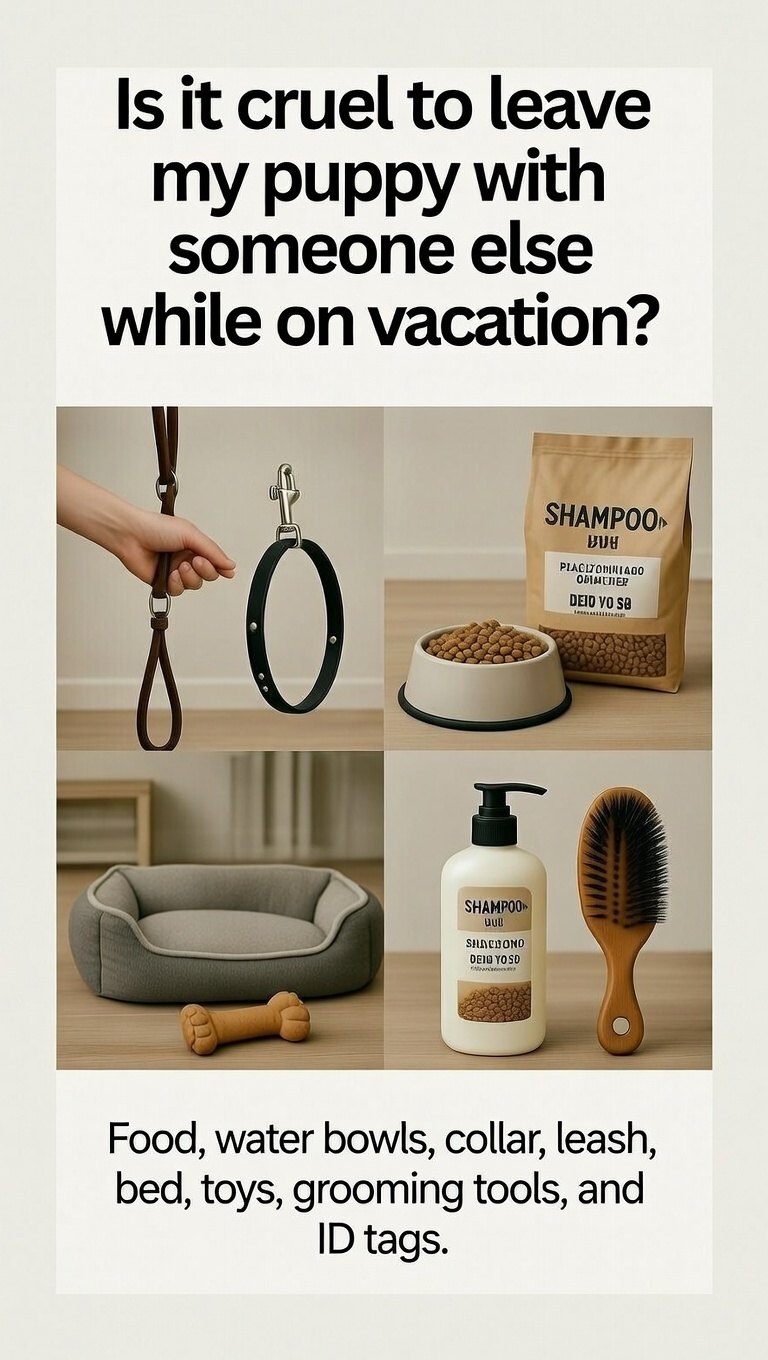
Schedule a trial visit or daycare session so your puppy can explore the new environment for a short time first. Provide written instructions about feeding, routines, likes and dislikes, and any medical needs, and send familiar items like their bed or a worn T-shirt that smells like you to comfort them.
9. How can I make the separation less stressful for my puppy?
Maintain some consistency in feeding times, cues, and bedtime routines, and keep drop-off and pick-up calm and upbeat rather than dramatic. Choose a setting with structured play, gentle handling, and rest periods so your puppy isn’t overwhelmed or left bored for long stretches.
10. When might it be a bad idea to board my puppy?
If your puppy is medically fragile, not yet vaccinated enough for group settings, or shows signs of extreme panic in new environments, standard boarding may not be appropriate. In such cases, in-home care from a trusted sitter, family member, or vet-supervised option may be safer until your puppy is more robust and confident.
Balancing Your Needs and Your Puppy’s Welfare
Taking a vacation does not make you a bad or uncaring owner; what matters is how thoughtfully you arrange your puppy’s care while you’re gone. By choosing a reputable caregiver, sharing clear instructions, and supporting your puppy before and after the stay, you can protect their well-being and even help them grow into a more confident, adaptable dog.