Service Dog: Training and Certification Basics
He shows promise as a service dog candidate—calm, focused, eager to work—but transforming him into a reliable partner requires structured training and public access skills. Service dogs assist people with disabilities through specific task training, protected under the Americans with Disabilities Act (ADA). No federal certification exists, but voluntary standards from organizations like IAADP and ADI ensure teams meet public-ready reliability. This guide covers selecting candidates, essential training phases, and accessing public spaces legally.
Legal Definition and Requirements
Under ADA Title II, service dogs are individually trained to perform tasks directly related to a handler’s disability—physical, psychiatric, or neurological. Tasks include retrieving items, alerting to seizures, providing balance support, or interrupting dissociative episodes. Emotional support or untrained comfort dogs don’t qualify.
No registration, certification, or ID vest is legally required—staff may only ask two questions: “Is this a service dog required for a disability?” and “What tasks does he perform?” Housing (FHA) and air travel (ACAA) offer broader access, but public accommodations demand task-trained reliability.
Selecting the Right Dog
Ideal candidates are 1-3 years old, medium-large (40-80 lbs for mobility), with stable temperaments. Breeds like Labs, Goldens, Poodles excel due to focus and sociability, but any dog succeeds with proper selection. Screen for:
– Genetic health (hips, elbows via OFA).
– Solid nerves—no fear of crowds, noises, surfaces.
– Trainability—food or toy motivated, handler-focused.
– Clean adult temperament (6+ months).
Rescues work beautifully; breeders select purposeful lines. 18-month maturity minimum recommended before task training.
Basic Obedience Foundation
He must master rock-solid skills before tasks:
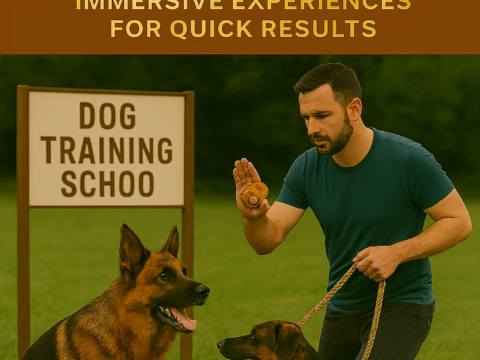
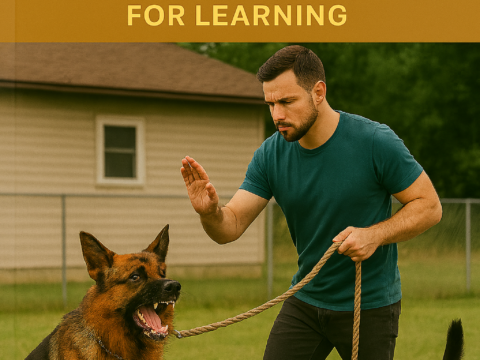
**Reliable Commands:** Sit, down, stay, come, heel, leave it, emergency recall—proofed against distractions.
**Handler Skills:** Automatic sits at left side, pivots, backing up in tight spaces.
**Public Manners:** Ignores food on floors, remains settled during 30-minute waits, polite greetings.
Expect 3-6 months daily practice using positive reinforcement—clickers mark precision, high-value treats (cheese, chicken) motivate. 120+ hours total recommended by IAADP standards.
Task-Specific Training
Tasks must mitigate the handler’s disability directly:
**Mobility:** Retrieve dropped items, open/close doors, turn lights on/off, deep pressure therapy.
**Medical Alert:** Seizure prediction (pacing, staring), diabetic low/high glucose detection, cardiac alerts.
**Psychiatric:** Interrupt nightmares, create space from stressors, retrieve medications, ground during PTSD episodes.
**Hearing:** Alert to alarms, phones, doorbells, baby cries.
Train via shaping—break complex behaviors into micro-steps, reward approximations. Real-life practice essential: wheelchair retrieves, pharmacy pickups. Document 30+ hours public outings.
Public Access Training
He must navigate stores, restaurants, offices unobtrusively:
**Controlled Access Test Elements:**
– Calm approach to strangers/pets.
– No marking, barking, food solicitation.
– Under control in crowds, elevators.
– Settle quietly for 1+ hour.
– Housebroken 100%.
– Leashed at all times (no carts).
IAADP/ADI standards require 30 hours public work over 6 months minimum. Video tests document compliance.
| Training Phase | Duration | Key Skills | Hours Required |
|---|---|---|---|
| Obedience | 3-6 months | Cues, focus | 100+ |
| Tasks | 2-4 months | Disability-specific | 50+ |
| Public Access | Ongoing | Manners | 30+ public |
DIY vs Professional Training
**Owner-Trained:** Cost-effective ($500-2,000 gear/books), flexible schedule. Requires 6-12 months commitment, handler mobility.
**Professional Programs:** $10,000-30,000 fully trained dogs; client-handler training $3,000-8,000. Faster (6-18 months), guaranteed standards.
Hybrid: Private trainers coach task work ($100/hr). ADI-accredited programs offer certification.
Certification and Testing
No legal mandate, but voluntary tests validate:
**IAADP Public Access Test:** 40 behaviors covering obedience, manners, tasks. Pass grants membership.
**ADI Standards:** 120 hours minimum, including 30 public. Team evaluation.
**Private Organizations:** PAT tests ($100-300) provide documentation, helpful for housing disputes.
Nevada recognizes ADA fully; service dogs in training gain access with vests.
Common Tasks by Disability
**Physical:** Brace for standing, counterbalance walking, load/unload mobility aids.
**Seizure:** Alert pre-onset, stand guard during/post, summon help.
**Diabetes:** Glucose detection via breath/sweat, fetch supplies.
**PTSD:** Deep pressure, block crowds, retrieve comfort items.
**Autism:** Create space, interrupt meltdowns, search for handler.
Train minimum one task; multiple enhance versatility.
Handler Responsibilities
Maintain control always—no solicitation, aggression. Clean up waste. Respond truthfully to two ADA questions. Liability insurance recommended ($200/year).
Annual vetting: health, temperament stable. Retrain lapses immediately.
Challenges and Troubleshooting
**Handler Limitations:** Wheelchair users train retrieval differently; visual impairments emphasize verbal cues.
**Dog Burnout:** Rotate tasks, add play breaks. High-drive breeds need outlets.
**Access Denials:** Educate politely with task list; know rights. Carry vet records.
**Relapse:** Booster sessions refresh; life changes trigger refreshers.
Costs and Resources
**DIY Total:** $1,000-3,000 (gear, privates, travel).
**Professional:** $15,000-40,000 lifetime investment.
Grants available: Paws With A Cause, Canine Companions. Local nonprofits train owner-selected dogs.
**Organizations:**
– Assistance Dogs International (ADI)
– International Association of Assistance Dog Partners (IAADP)
– ADA.gov service animal guidance
Success Timeline and Maintenance
6-18 months from puppy to team-ready. Lifelong 15-minute daily practice prevents drift. Annual PAT retests maintain standards.
Service dog training forges profound partnerships—he works joyfully, handler thrives independently. With patience and precision, any capable dog becomes indispensable ally.