
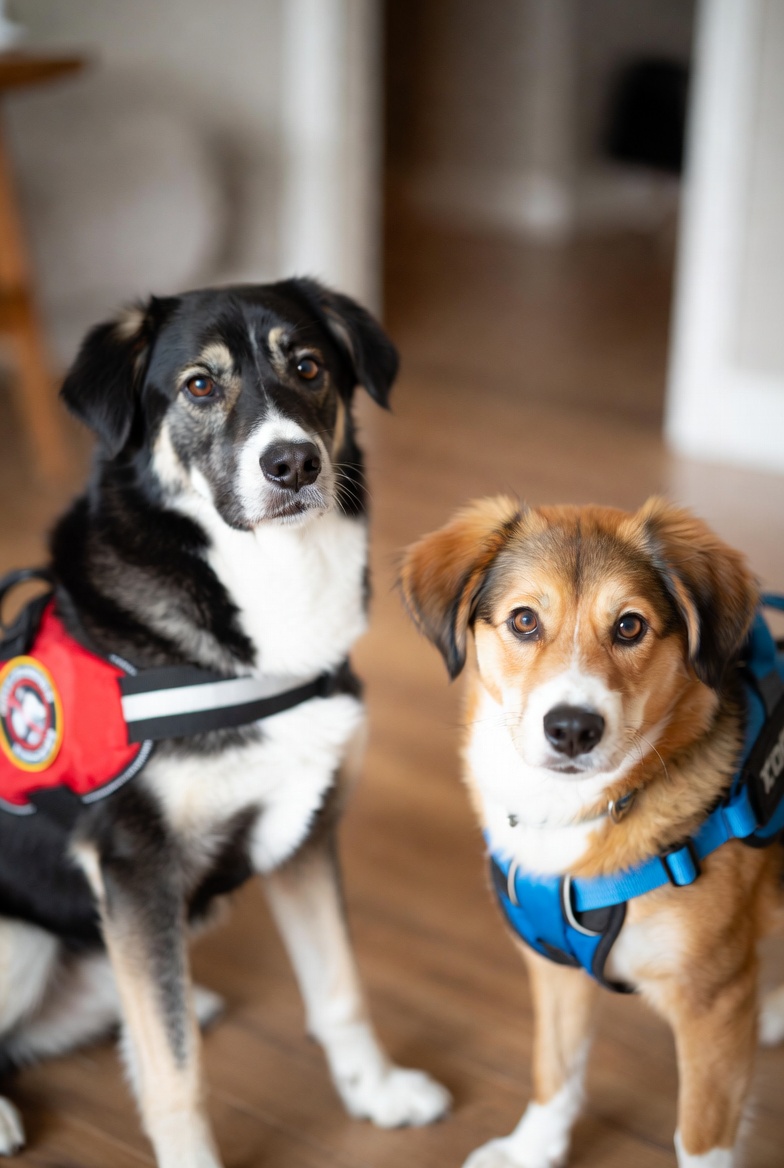
Mental Health Dogs: How Service Animals Support Emotional Well‑Being
Mental health dogs—often called psychiatric service dogs or emotional support animals—play an increasingly important role in helping people manage anxiety, depression, PTSD, and other mental health conditions. These dogs are more than just companions; they can provide practical tasks, emotional grounding, and a sense of safety that supports daily functioning. Understanding how mental health dogs work, what they can do, and how to access them can help individuals decide whether this kind of support is right for them.
What Is a Mental Health Dog?
A mental health dog is typically a dog trained to assist a person with a diagnosed mental health condition. When the dog is trained to perform specific tasks related to the disability, it is considered a psychiatric service dog and has legal protections under disability laws in many countries. Emotional support animals (ESAs), by contrast, provide comfort and companionship but are not required to perform trained tasks.
Psychiatric service dogs can help with conditions such as anxiety disorders, depression, post‑traumatic stress disorder (PTSD), bipolar disorder, and some forms of autism. They are usually individually trained to respond to their handler’s symptoms in ways that help reduce distress and increase independence.
How Mental Health Dogs Help With Anxiety and Panic Attacks
For people with anxiety or panic disorders, mental health dogs can act as a calming presence during episodes. A psychiatric service dog may be trained to recognize early signs of rising anxiety—such as changes in breathing, heart rate, or behavior—and respond by nudging, leaning against the handler, or applying deep‑pressure therapy to help ground them.
Some dogs are trained to create physical space in crowded areas, block people from getting too close, or guide their handler to a quieter place. These actions can reduce sensory overload and help prevent a full‑blown panic attack. Over time, the predictability and companionship of the dog can also lower baseline anxiety levels.
Support for Depression and Emotional Regulation
Depression often leads to isolation, low motivation, and difficulty with daily routines. A mental health dog can gently encourage structure by needing walks, feeding, and attention, which can help a person stay engaged with the world. The act of caring for a dog can provide a sense of purpose and responsibility that combats feelings of worthlessness.
Dogs also offer unconditional affection and nonjudgmental companionship, which can be especially valuable during periods of emotional numbness or sadness. The simple routine of petting, talking to, or playing with a dog can release calming hormones such as oxytocin and reduce stress hormones, contributing to improved mood over time.
Assistance for PTSD and Trauma Recovery
For individuals with PTSD, mental health dogs can be trained to interrupt nightmares or flashbacks, turn on lights, or create a barrier between the person and others in public. Some dogs are taught to wake their handler from distressing dreams by nudging or licking, helping them return to the present moment.
Dogs can also help reduce hypervigilance by acting as a “living alarm system,” alerting to noises or movements that might otherwise trigger fear. Their presence can make public spaces feel safer and help veterans, survivors of abuse, or others with trauma histories feel more secure in everyday life.
Differences Between Service Dogs, ESAs, and Therapy Dogs
It is important to distinguish between psychiatric service dogs, emotional support animals, and therapy dogs. Psychiatric service dogs are trained to perform specific tasks for a person with a mental health disability and are protected under disability laws, often allowing them access to public spaces.
Emotional support animals provide comfort and companionship but are not required to have task‑based training. They may be allowed in housing under certain tenant‑protection rules but do not always have the same public‑access rights as service dogs. Therapy dogs are trained to provide comfort to many people in settings such as hospitals or schools, but they are not considered service animals for an individual’s disability.
How to Get a Mental Health Dog
Obtaining a mental health dog usually begins with a conversation with a licensed mental health professional. If they determine that a service dog or ESA would be beneficial, they may provide documentation supporting the need. For psychiatric service dogs, you can either work with a professional training organization or train the dog yourself, though formal programs often offer more structured support.
Training typically includes basic obedience, public‑access skills, and specific tasks tailored to the handler’s symptoms. The process can take months or even years, depending on the dog’s temperament and the complexity of the tasks. For ESAs, the focus is more on temperament and bonding than on task training.
Training and Daily Life With a Mental Health Dog
A well‑trained mental health dog should remain calm, focused, and non‑reactive in public. Training emphasizes ignoring distractions, staying close to the handler, and performing tasks on cue without becoming anxious or aggressive. Consistent practice and positive‑reinforcement methods help build a reliable partnership.
In daily life, handlers learn to recognize their dog’s signals and to integrate the dog’s support into routines. For example, a dog might be trained to remind the handler to take medication, guide them home if they feel disoriented, or interrupt repetitive behaviors. Over time, this partnership can increase confidence and reduce reliance on crisis‑level coping strategies.
Legal Rights and Public Access
In many countries, psychiatric service dogs have legal rights similar to those of other service animals. They are usually allowed to accompany their handler into public spaces such as stores, restaurants, and public transportation, provided the dog is under control and does not pose a health or safety risk.
Businesses may ask only two questions: whether the dog is a service animal required because of a disability and what task the dog performs. They cannot demand medical documentation or require the dog to demonstrate the task. Emotional support animals generally do not have the same public‑access rights, though housing and airline rules may differ.
10 Frequently Asked Questions (FAQs)
1. What is the difference between a service dog and an emotional support dog?
A service dog is trained to perform specific tasks that mitigate a person’s disability, such as interrupting panic attacks or guiding someone during dissociation. An emotional support dog provides comfort and companionship but is not required to perform trained tasks and usually has fewer public‑access rights.
2. Can any dog become a mental health service dog?
Not every dog is suited to be a service dog. Ideal candidates are calm, focused, healthy, and eager to learn. Dogs with aggression, extreme fearfulness, or severe health problems are generally not good candidates. Temperament and trainability matter more than breed.
3. How long does it take to train a psychiatric service dog?
Training can take anywhere from several months to over a year, depending on the dog, the handler’s needs, and the complexity of the tasks. Ongoing practice and reinforcement are important to maintain reliability over time.
4. Do I need a diagnosis to get a mental health dog?
Yes—mental health dogs are intended to assist with diagnosed conditions. A licensed mental health professional typically confirms the diagnosis and may provide documentation supporting the need for a service dog or ESA.
5. Can a mental health dog live in an apartment or rental?
In many places, psychiatric service dogs are allowed in housing even if pets are restricted, because they are considered medical equipment. Emotional support animals may also be allowed under housing‑discrimination rules, but requirements vary by country and landlord.
6. Are mental health dogs allowed on airplanes?
Rules for air travel vary by country and airline. In some regions, psychiatric service dogs may still be allowed in the cabin with proper documentation, while emotional support animals may no longer have the same protections. Always check current regulations before booking a flight.
7. What tasks can a psychiatric service dog perform?
Tasks can include interrupting panic attacks, providing deep‑pressure therapy, creating space in crowds, reminding the handler to take medication, guiding them to a safe place, or waking them from nightmares. Tasks must be directly related to the handler’s disability.
8. Can children have mental health dogs?
Yes—children with anxiety, PTSD, autism, or other conditions can benefit from mental health dogs. Training and supervision must be adapted to the child’s age and needs, and parents or caregivers usually play a key role in the partnership.
9. Are mental health dogs expensive?
Professional service‑dog programs can be costly, often ranging from several thousand to tens of thousands of dollars, though some organizations offer financial assistance. Training a dog yourself is usually less expensive but still requires time, training tools, and veterinary care.
10. Can a mental health dog replace therapy or medication?
No—mental health dogs are best used as part of a broader treatment plan that may include therapy, medication, lifestyle changes, and support networks. They can enhance coping and emotional regulation but should not be the only form of treatment for serious mental health conditions.
Building a Healthy Partnership
A mental health dog can be a powerful ally in managing emotional challenges, but the relationship must be nurtured. Regular veterinary care, consistent training, and attention to the dog’s physical and emotional needs are essential. Handlers should also continue working with mental health professionals and adjust their support plan as their needs change.
When matched thoughtfully and trained properly, mental health dogs can offer stability, comfort, and practical help that make daily life more manageable. For many people, the presence of a well‑trained dog is not just a source of love—it is a vital part of their mental health toolkit.