Bernese Mountain Dogs are gentle, affectionate giants known for their striking tri‑color coats and calm temperaments. Unfortunately, the breed is also prone to several serious health conditions that can shorten their lifespan and affect their quality of life. Being aware of the most common Bernese Mountain Dog health issues—and knowing how to prevent or manage them—can help you give your Berner the longest, healthiest life possible.
Common Bernese Mountain Dog Health Problems
Bernese Mountain Dogs are predisposed to a range of conditions, including joint disorders, cancer, heart disease, bloat, and kidney disease. Many of these problems have a genetic component, so responsible breeding and early screening are crucial. Because Berners are large, deep‑chested dogs, their size and conformation also increase the risk of certain illnesses.
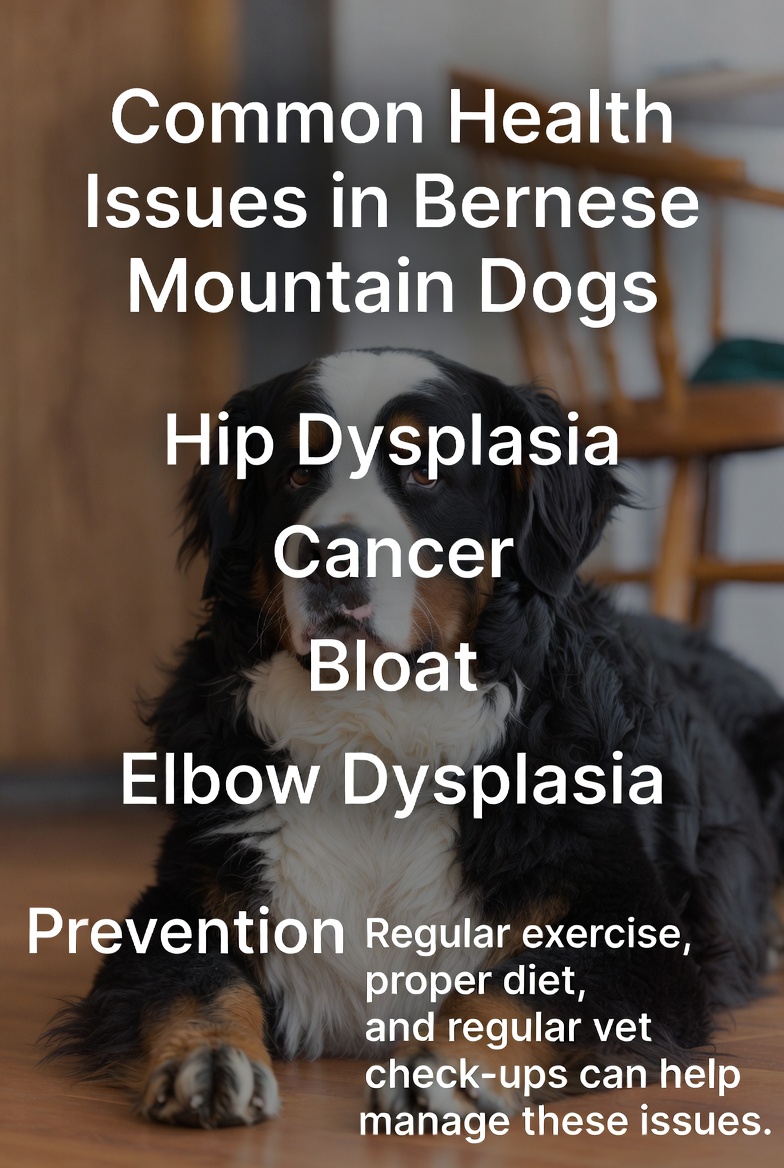
Common issues include hip and elbow dysplasia, osteoarthritis, bloat (gastric dilatation‑volvulus), histiocytic sarcoma and other cancers, heart disease, kidney disease, and autoimmune disorders. While not every Berner will develop these problems, owners should be prepared to monitor for symptoms and work closely with a veterinarian.
Hip and Elbow Dysplasia
Hip and elbow dysplasia are among the most frequent orthopedic problems in Bernese Mountain Dogs. These conditions occur when the joints do not form properly, leading to instability, pain, and eventually arthritis. Signs can include limping, stiffness after rest, reluctance to jump or climb stairs, and difficulty rising.
Prevention starts with choosing a breeder who screens parent dogs for hip and elbow dysplasia using OFA or PennHIP evaluations. Maintaining a healthy weight, avoiding excessive high‑impact exercise in puppies, and using joint supplements under veterinary guidance can also help reduce stress on the joints and slow the progression of arthritis.
Cancer and Histiocytic Sarcoma
Cancer is a leading cause of death in Bernese Mountain Dogs, and the breed has a higher incidence of certain cancers than many other breeds. One of the most concerning is histiocytic sarcoma, an aggressive cancer that can affect the skin, lymph nodes, lungs, spleen, and other organs.
Signs of cancer may include lumps or swellings, weight loss, decreased appetite, lethargy, coughing, or changes in behavior. Regular veterinary check‑ups, including thorough physical exams and early screening, are essential. If your Berner develops a lump or shows any persistent changes, have it evaluated promptly. In some cases, early detection can improve treatment options and quality of life.
Bloat (Gastric Dilatation‑Volvulus)
Bloat, or gastric dilatation‑volvulus (GDV), is a life‑threatening emergency that commonly affects large, deep‑chested breeds like Bernese Mountain Dogs. It occurs when the stomach fills with gas and then twists, cutting off blood flow and rapidly leading to shock and organ damage.
Symptoms include a distended abdomen, unproductive vomiting or retching, restlessness, rapid breathing, and collapse. Bloat is a true emergency and requires immediate veterinary care. To reduce risk, feed several small meals per day instead of one large meal, avoid vigorous exercise around mealtime, and consider a prophylactic gastropexy (stomach tacking) surgery for high‑risk dogs, especially if they will be kept long term.
Heart Disease and Other Cardiac Issues
Bernese Mountain Dogs can be prone to heart disease, including dilated cardiomyopathy (DCM) and other structural heart defects such as subvalvular aortic stenosis. These conditions impair the heart’s ability to pump blood effectively and can lead to coughing, difficulty breathing, exercise intolerance, and fainting.
Regular wellness exams that include listening to the heart and, when indicated, echocardiograms or other cardiac tests can help detect problems early. Maintaining a healthy weight, avoiding excessive sodium in the diet, and following your veterinarian’s recommendations for monitoring and treatment are important steps in managing heart disease.
Kidney Disease and Autoimmune Disorders
Kidney disease is another significant concern in Bernese Mountain Dogs and can be caused by genetics, chronic inflammation, infections, or toxins. Symptoms may include increased thirst and urination, decreased appetite, vomiting, weight loss, and lethargy. Because kidney disease can progress silently, routine blood and urine tests are important, especially as your Berner ages.
Berners are also susceptible to autoimmune diseases such as immune‑mediated hemolytic anemia (IMHA) and aseptic meningitis. These conditions occur when the immune system attacks the body’s own tissues and can be life‑threatening if not treated promptly. Signs include pale gums, weakness, fever, seizures, or neurological changes. If your Berner shows any of these symptoms, seek emergency veterinary care immediately.
Joint and Bone Conditions with Age
As Bernese Mountain Dogs age, many develop osteoarthritis and other joint and bone conditions due to their large size and previous joint stress. Arthritis can cause stiffness, limping, reluctance to walk or play, and difficulty getting up after resting.
Weight management, low‑impact exercise such as leash walks and swimming, joint supplements (like glucosamine and chondroitin), and pain medications prescribed by your veterinarian can help keep your Berner comfortable. Physical therapy, acupuncture, and hydrotherapy are also options that some owners find beneficial for older Berners.
Prevention and Lifelong Care
While you cannot eliminate all genetic risks, you can significantly improve your Berner’s health and longevity with proactive care. Choose a reputable breeder who screens for hip and elbow dysplasia, heart disease, and other breed‑specific conditions. Keep your dog at a healthy weight, feed a balanced diet, and avoid overfeeding or excessive high‑impact activity in puppyhood.
Schedule regular veterinary check‑ups—at least once a year, and more often as your dog ages. Stay up to date on vaccinations, parasite prevention, dental care, and any recommended screenings. Being attentive to subtle changes in your Berner’s behavior, appetite, energy level, or mobility can help you catch problems early.
10 Frequently Asked Questions (FAQs)
1. What are the most common health problems in Bernese Mountain Dogs?
Bernese Mountain Dogs are commonly affected by hip and elbow dysplasia, arthritis, bloat (GDV), cancer (especially histiocytic sarcoma), heart disease, kidney disease, and autoimmune disorders. These conditions can shorten their average lifespan, so early detection and careful management are important.
2. How long do Bernese Mountain Dogs usually live?
The average lifespan of a Bernese Mountain Dog is about 7–10 years, though some can live longer with excellent care. Cancer and other serious health issues are major contributors to their relatively short life expectancy.
3. How can I reduce the risk of hip and elbow dysplasia?
Choose a breeder who screens parent dogs for hip and elbow dysplasia, keep your Berner at a healthy weight, avoid excessive jumping or rough play in puppyhood, and provide joint supplements if recommended by your veterinarian. Early X‑rays can help detect problems before they become severe.
4. What are the signs of bloat in a Berner?
Signs of bloat include a swollen or tight abdomen, unproductive vomiting or retching, restlessness, rapid breathing, drooling, and collapse. Bloat is a medical emergency and requires immediate veterinary treatment.
5. Can Bernese Mountain Dogs get cancer at a young age?
Yes—Bernese Mountain Dogs are prone to certain cancers, including histiocytic sarcoma, that can appear in middle age or even younger dogs. Any new lump, change in behavior, or unexplained weight loss should be evaluated by a veterinarian.
6. How often should my Berner see the vet?
Healthy adult Berners should have at least one wellness exam per year, and older dogs or those with known health issues may need exams every 6 months. Regular bloodwork, urinalysis, and heart and joint evaluations help catch problems early.
7. Is obesity a serious issue for Bernese Mountain Dogs?
Yes—extra weight increases stress on joints, worsens arthritis, and can strain the heart and other organs. Because Berners are large and often love to eat, careful portion control and regular exercise are essential to maintaining a healthy body condition.
8. What should I feed my Bernese Mountain Dog?
Feed a high‑quality, balanced diet appropriate for large‑breed dogs, especially during puppyhood to support steady, controlled growth. Avoid overfeeding and limit high‑calorie treats. If your Berner has a specific health condition, your veterinarian may recommend a therapeutic or prescription diet.
9. Are Bernese Mountain Dogs good candidates for surgery if needed?
Many Berners do well with surgery, including procedures for hip dysplasia, bloat, or cancer, but their size and potential heart or kidney issues must be evaluated beforehand. Pre‑surgical bloodwork and cardiac screening help ensure they are healthy enough for anesthesia.
10. What can I do to give my Berner the best quality of life?
Provide a safe, loving home with consistent routines, proper nutrition, regular exercise, and routine veterinary care. Stay vigilant for changes in behavior, appetite, or mobility, and address concerns early. With attentive care, many Bernese Mountain Dogs can enjoy several happy, active years despite their breed‑specific health challenges.