Dog coats designed to be waterproof are one of the most practical pieces of gear for pet owners who walk their dogs in rain, snow, or damp weather. A good waterproof coat keeps your dog dry, reduces mud in the house, and can even help maintain body temperature on cold, wet days. This guide explains how waterproof dog coats work, which dogs benefit most, and how to choose the right one for your pup.
Why Dogs Need Waterproof Coats
When a dog’s fur gets soaked, it loses its natural insulating ability and can actually make them feel colder. Short‑haired, single‑coated, and small breeds such as Boxers, Whippets, Dachshunds, and Poodles often benefit from waterproof coats because they lack a thick undercoat to shed water naturally. Senior dogs, puppies, and dogs with health issues also appreciate the extra protection.
Waterproof coats help keep your dog’s skin and coat dry, which reduces the risk of chills, skin irritation, and ear infections. They also cut down on post‑walk cleanup, since your dog comes inside cleaner and drier. For owners who live in rainy or snowy climates, a waterproof coat is a worthwhile investment in comfort and convenience.
Types of Waterproof Dog Coats
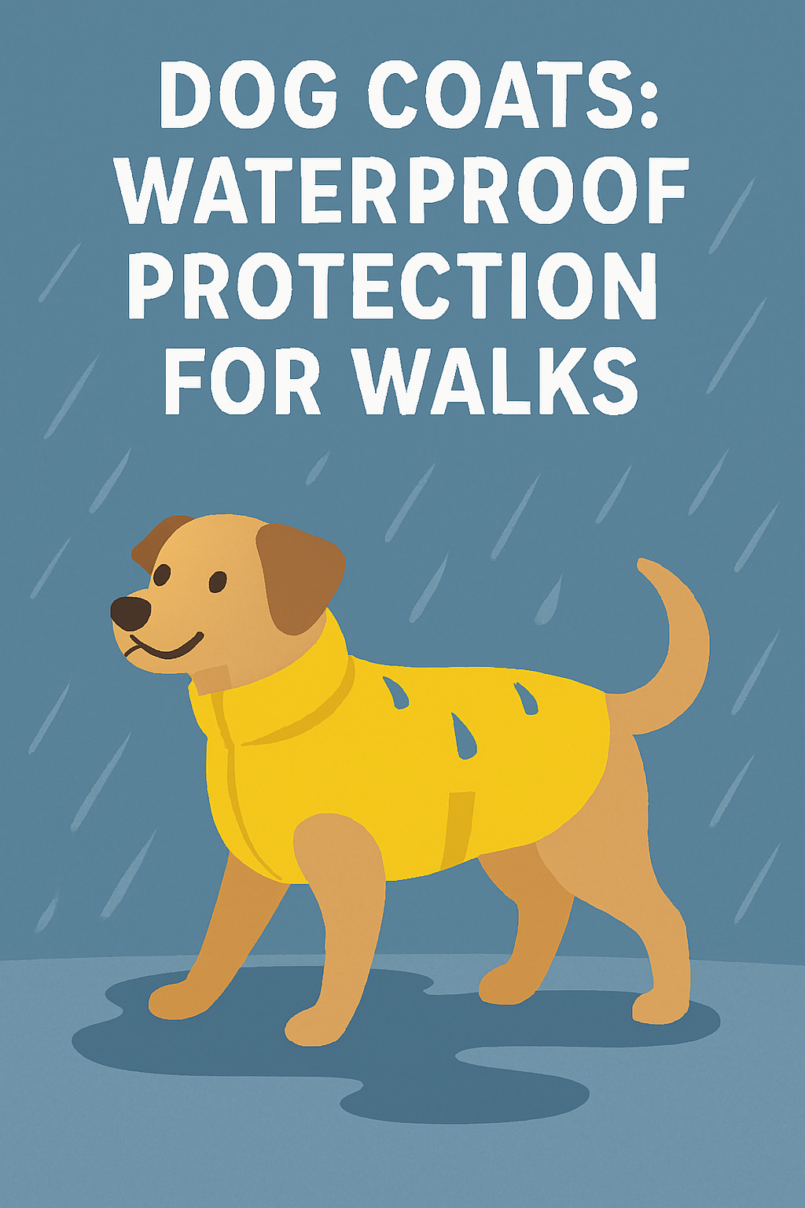
Waterproof dog coats come in several styles, each suited to different needs. Full‑coverage raincoats cover the chest, back, and belly, often with a high neck and adjustable straps. Some include hoods to protect the head and ears from rain. Lighter “showerproof” coats offer water resistance for drizzle, while heavier jackets are designed for heavy rain or snow.
Many waterproof coats also feature harness‑friendly designs with a lead portal or opening, so you can clip the leash directly to the harness without removing the coat. Reflective strips or bright colors improve visibility on early‑morning or evening walks, adding an extra layer of safety.
Choosing the Right Fit and Features
A well‑fitting waterproof coat is essential for comfort and effectiveness. Measure your dog’s chest girth, neck, and back length before purchasing, and refer to the brand’s size chart. The coat should cover the body without being too tight or too loose, allowing your dog to move freely and breathe easily.
Look for adjustable closures such as Velcro, buckles, or elastic straps that let you customize the fit. A secure belly strap helps keep the coat in place during active walks. If your dog will be in heavy rain or snow, choose a coat with a higher waterproof rating and durable fabric such as ripstop nylon or polyester.
Materials and Breathability
Good waterproof coats use materials that repel water while still allowing some airflow to prevent overheating. Many are made from waterproof or water‑resistant fabrics with a DWR (durable water repellent) coating that causes water to bead up and roll off. Some coats also include a breathable membrane that lets moisture escape from the inside.
For dogs that exercise a lot, look for breathable designs that balance waterproofing with ventilation. Avoid overly thick or non‑breathable materials that can trap heat and make your dog uncomfortable. If your dog will be in cold weather, consider a coat with an insulated lining or the option to add a removable fleece layer.
When to Use a Waterproof Coat
Waterproof coats are most useful in rainy, snowy, or very damp conditions, especially for dogs that dislike getting wet or have thin coats. Put the coat on before going outside and remove it once you are back indoors to prevent overheating. Monitor your dog for signs of discomfort, such as panting, restlessness, or trying to remove the coat.
Do not leave waterproof coats on unsupervised dogs, as they can become tangled or chewed. Remove the coat if your dog will be resting, sleeping, or playing vigorously. Regularly check the fit and condition of the coat, replacing it if it becomes too tight, stretched out, or damaged.
10 Frequently Asked Questions (FAQs)
1. Do all dogs need waterproof coats?
No—many dogs with thick, double coats do fine without waterproof coats. Short‑haired, single‑coated, small, or senior dogs are more likely to benefit from extra protection in wet weather.
2. How do I know if a waterproof coat fits well?
A good fit allows your dog to move freely without pinching or rubbing. You should be able to slide two fingers under the neck and chest areas. The coat should cover the body without being too loose or too tight.
3. Can waterproof coats cause overheating?
Yes—waterproof coats can trap heat, especially on active dogs or in mild weather. Watch for panting, restlessness, or excessive sweating, and remove the coat if your dog seems too warm.
4. Are waterproof dog coats machine‑washable?
Most waterproof coats can be machine‑washed on a gentle cycle with cold water and mild detergent. Check the care label and avoid high heat or harsh chemicals that can damage the waterproof coating.
5. How often should I wash a waterproof coat?
Wash the coat regularly, especially after walks in mud, rain, or snow. Dirty coats can cause skin irritation and odors, so keep them clean and dry.
6. Can waterproof coats help with anxiety?
Some dogs find snug coats comforting, similar to anxiety wraps. However, clothing alone is not a cure for anxiety and should be combined with training, environmental changes, and veterinary guidance if needed.
7. Are hooded waterproof coats safe for dogs?
Hooded coats can be safe if they fit well and do not restrict vision, hearing, or breathing. Use them only for short periods and watch your dog closely for signs of discomfort.
8. Can I leave a waterproof coat on my dog all day?
It is best to limit coat wear to walks or specific activities. Remove the coat when your dog is resting, sleeping, or unsupervised to prevent overheating or chewing.
9. What is the difference between waterproof and water‑resistant?
Waterproof fabrics are designed to keep water out completely, while water‑resistant fabrics can resist water to some degree but may eventually let moisture through. For heavy rain or snow, choose a truly waterproof coat.
10. How do I choose the right waterproof coat for my dog’s breed?
Consider your dog’s size, coat type, and lifestyle. Short‑haired or small breeds often need warmer, snugger coats, while larger dogs may prefer lighter, breathable styles. Choose a design that fits comfortably and suits your dog’s activity level.
Building a Practical Rainy‑Day Wardrobe
Creating a small collection of waterproof gear can make wet‑weather walks more enjoyable for both you and your pet. Include a waterproof coat for rain and snow, and consider adding waterproof boots or booties if your dog will be walking through deep puddles or muddy areas. Reflective details on the coat improve visibility in low‑light conditions.
By matching coats to the weather, your dog’s breed, and their comfort level, you can keep them dry, safe, and happy. With the right outfits and a little patience, waterproof dog coats become a practical, stylish way to care for your pet during rainy or snowy days.