Dog sweaters have become a staple for pet owners who want to keep their furry friends warm and stylish during colder months. While not every dog needs a sweater, many small, short‑haired, or senior dogs benefit from an extra layer when the temperature drops. This guide explores the benefits of dog sweaters, how to choose the right one, and how to introduce your dog to wearing cozy knits comfortably.
Why Dogs Need Sweaters in Cold Weather
Dogs with thin coats, little body fat, or small frames lose heat more quickly than larger, thick‑coated breeds. Breeds such as Chihuahuas, Greyhounds, Dachshunds, and Chinese Cresteds often feel the cold and may shiver or seek warmth when outdoors in chilly weather. Sweaters help trap body heat, reduce exposure to wind and rain, and keep these dogs more comfortable on walks.
Sweaters can also protect dogs with skin conditions, allergies, or recent surgeries from cold air and irritants. For senior dogs or those with arthritis, a warm sweater can ease stiffness and make winter walks more enjoyable. However, dogs with thick double coats usually do not need sweaters and may overheat if dressed unnecessarily.
Types of Dog Sweaters
Dog sweaters come in many styles, from simple pullover knits to zip‑up or button‑front designs. Pullover sweaters are easy to put on and often made of soft, stretchy fabric that fits snugly without restricting movement. Zip‑up sweaters offer adjustable fit and can be helpful for dogs that dislike having their heads covered.
Some sweaters include extra features such as high necklines, hoods, or built‑in harness openings. High‑neck sweaters provide additional warmth around the chest and neck, while hoods can protect ears from cold. Harness‑friendly sweaters allow you to clip the leash directly to the harness without removing the sweater, making walks more convenient.
Choosing the Right Fit and Fabric
A well‑fitting sweater is essential for comfort and safety. Measure your dog’s chest girth, neck, and back length before purchasing, and refer to the brand’s size chart. The sweater should cover the body without being too tight or too loose, allowing your dog to move freely and breathe easily.
Choose fabrics suited to your dog’s needs and the weather. Soft cotton or acrylic blends are comfortable for everyday wear, while fleece or wool blends provide extra warmth. Avoid rough or itchy materials that can cause irritation. If your dog will be outdoors in wet weather, look for water‑resistant or quick‑drying fabrics.
How to Introduce Your Dog to Wearing a Sweater
Some dogs love sweaters right away, while others may feel nervous or restricted. Introduce the sweater slowly and make it a positive experience. Let your dog sniff the sweater, then gently place it over their body for a few seconds, rewarding calm behavior with treats and praise.
Gradually increase the time your dog wears the sweater, starting with short indoor sessions before trying it on walks. If your dog resists, try a different style or size, or use a harness‑friendly design that feels less restrictive. Never force a sweater on a stressed dog; patience and positive reinforcement work best.
When to Put a Sweater On (and Off)
Dog sweaters are most useful in cold, windy, or rainy weather, especially for short‑haired or small breeds. Put the sweater on before going outside and remove it once you are back indoors to prevent overheating. Monitor your dog for signs of discomfort, such as panting, restlessness, or trying to remove the sweater.
Do not leave sweaters on unsupervised dogs, as they can become tangled or chewed. Remove the sweater if your dog will be resting, sleeping, or playing vigorously. Regularly check the fit and condition of the sweater, replacing it if it becomes too tight, stretched out, or damaged.
10 Frequently Asked Questions (FAQs)
1. Do all dogs need sweaters in winter?
No—many dogs with thick coats do fine without sweaters. Short‑haired, small, or hairless breeds, as well as seniors and dogs with health issues, are more likely to benefit from extra warmth.
2. How do I know if a dog sweater fits well?
A good fit allows your dog to move freely without pinching or rubbing. You should be able to slide two fingers under the neck and chest areas. The sweater should cover the body without being too loose or too tight.
3. Can dog sweaters cause overheating?
Yes—sweaters can trap too much heat, especially on active dogs or in mild weather. Watch for panting, restlessness, or excessive sweating, and remove the sweater if your dog seems too warm.
4. Are knit sweaters safe for dogs?
Yes, as long as they fit well and are made of soft, non‑irritating fabric. Avoid sweaters with loose threads, buttons, or embellishments that your dog could chew or swallow.
5. Can I wash dog sweaters in the washing machine?
Most dog sweaters can be machine‑washed on a gentle cycle with cold water and mild detergent. Check the care label and avoid high heat or harsh chemicals that can damage the fabric.
6. How often should I wash a dog sweater?
Wash sweaters regularly, especially after walks in mud, rain, or snow. Dirty sweaters can cause skin irritation and odors, so keep them clean and dry.
7. Can dog sweaters help with anxiety?
Some dogs find snug sweaters comforting, similar to anxiety wraps. However, clothing alone is not a cure for anxiety and should be combined with training, environmental changes, and veterinary guidance if needed.
8. Are hooded sweaters safe for dogs?
Hooded sweaters can be safe if they fit well and do not restrict vision, hearing, or breathing. Use them only for short periods and watch your dog closely for signs of discomfort.
9. Can I leave a sweater on my dog all day?
It is best to limit sweater wear to walks or specific activities. Remove the sweater when your dog is resting, sleeping, or unsupervised to prevent overheating or chewing.
10. How do I choose the right sweater for my dog’s breed?
Consider your dog’s size, coat type, and lifestyle. Small or short‑haired breeds often need warmer, snugger sweaters, while larger dogs may prefer lighter, breathable styles. Choose a design that fits comfortably and suits your dog’s activity level.
Building a Cozy Winter Wardrobe
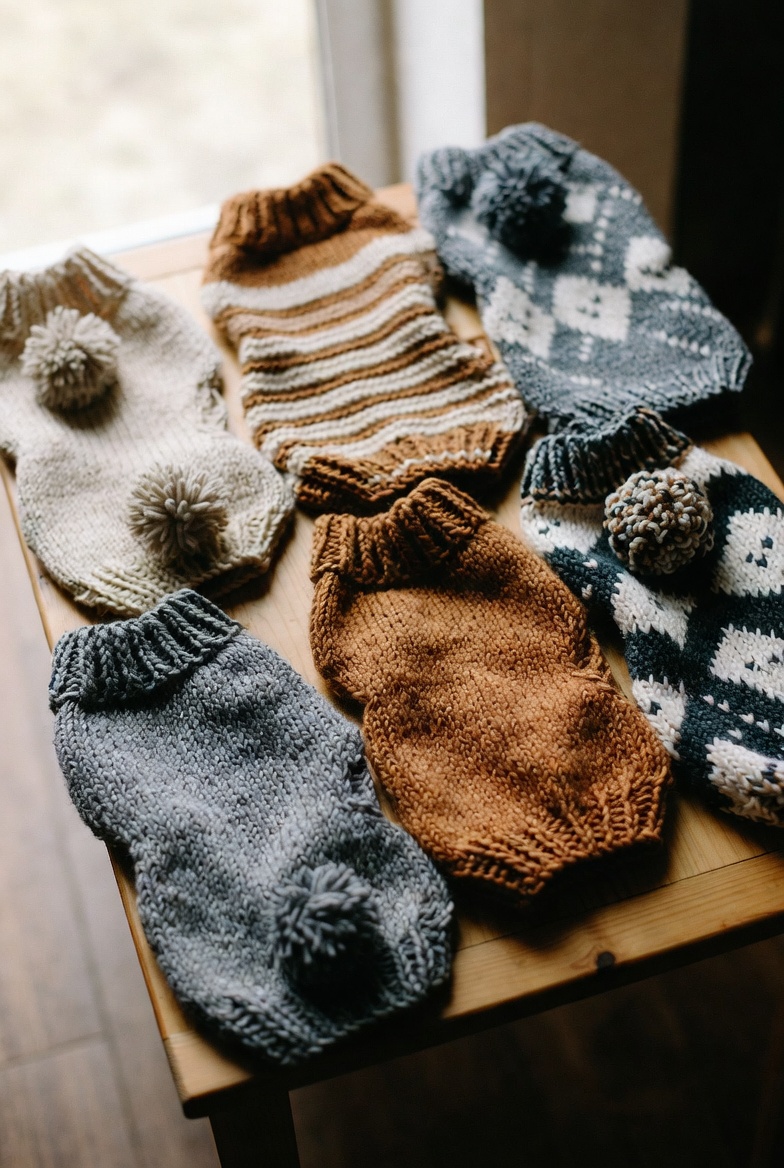
Creating a small collection of dog sweaters can make winter walks more enjoyable for both you and your pet. Include a few key pieces: a lightweight sweater for mild days, a thicker knit for colder weather, and a water‑resistant or quick‑drying option for rainy days. Add a harness‑friendly sweater for convenience on walks.
By matching sweaters to the weather, your dog’s breed, and their comfort level, you can keep them warm, stylish, and happy. With the right outfits and a little patience, dog sweaters become a cozy, practical way to care for your pet during the colder months.