Dog Clothes: Stylish Outfits for Every Season
Dog clothes have moved far beyond novelty costumes and become a practical, stylish part of pet care. From cozy winter coats to breezy summer shirts, dressing your dog can keep them comfortable in different weather, protect their skin and coat, and even express their personality. This guide covers the most useful dog‑clothing styles for each season and how to choose outfits that fit well and keep your pup happy.
Why Dogs Wear Clothes
Not all dogs need clothing, but many benefit from it in certain situations. Short‑haired, small, or hairless breeds such as Chihuahuas, Greyhounds, and Chinese Cresteds often feel the cold and may need sweaters or jackets in winter. Senior dogs and those with health issues can also appreciate extra warmth and protection from the elements.
Clothing can also shield dogs from rain, mud, allergens, and sun exposure. Reflective vests and bright raincoats improve visibility on evening walks, while cooling vests and lightweight shirts help dogs stay comfortable in hot weather. When chosen carefully, dog clothes support both style and function.
Winter Dog Clothes: Warmth and Protection
In cold weather, insulated dog coats, fleece sweaters, and waterproof jackets are the most practical choices. Look for styles that cover the chest, back, and belly while allowing freedom of movement. Many winter coats include hoods, high necklines, or adjustable straps for a snug but not restrictive fit.
For very cold climates, consider layered outfits such as a thermal base layer under a thicker coat. Avoid overly tight clothing that can restrict breathing or movement. Check your dog regularly for signs of overheating or discomfort, and remove clothing once you are back indoors.
Spring and Fall: Light Layers and Rain Gear
Spring and fall often bring cool mornings, chilly evenings, and sudden rain showers. Light sweaters, hoodies, and soft jackets are ideal for these in‑between seasons. Choose breathable fabrics that allow air circulation while still providing warmth.
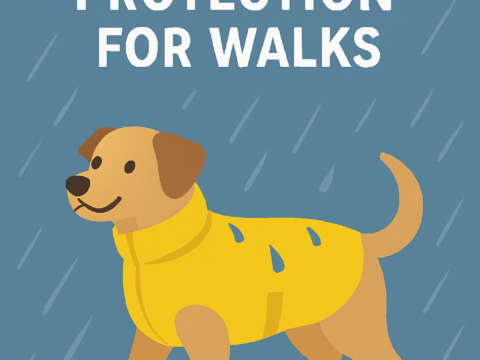
Raincoats and ponchos are excellent for wet weather. They keep your dog dry, reduce mud on walks, and can be easily wiped clean. Look for adjustable closures and reflective details that improve safety during low‑light walks.
Summer Dog Clothes: Cool and Comfortable
Summer calls for lightweight, breathable clothing such as T‑shirts, tank tops, and mesh vests. These outfits can protect dogs from sun exposure, reduce contact with allergens, and help keep them cool. Cooling vests that you soak in water before walks can also help regulate body temperature.
Avoid heavy fabrics or dark colors that trap heat. Make sure clothing fits loosely enough to allow airflow and does not rub or chafe. Always monitor your dog for signs of overheating, such as heavy panting or lethargy, and remove clothing if needed.
Choosing the Right Fit and Fabric
A well‑fitting outfit is essential for comfort and safety. Measure your dog’s chest girth, neck, and back length before buying clothes, and refer to the brand’s size chart. The garment should cover the body without restricting movement, and closures should be secure but easy to adjust.
Choose fabrics suited to the season and your dog’s skin. Cotton and jersey are soft and breathable for everyday wear, while fleece and wool provide warmth in winter. Waterproof materials such as nylon or polyester blends are ideal for raincoats and jackets. Avoid rough or irritating fabrics that can cause itching or hot spots.
Stylish Accessories and Seasonal Costumes
Beyond basic clothing, accessories such as bandanas, hats, and bow ties add flair without overwhelming your dog. Bandanas are lightweight and easy to put on, making them perfect for casual outings or themed events. Hats can protect ears from sun or cold but should be used only if your dog tolerates them.
Seasonal costumes for holidays like Halloween or Christmas can be fun for photos and special occasions. Choose designs that allow your dog to see, hear, and breathe freely, and limit wear time to short, supervised sessions. If your dog shows stress or discomfort, skip the costume and opt for a simple bandana or bow tie instead.
10 Frequently Asked Questions (FAQs)
1. Do all dogs need clothes?
No—many dogs with thick coats do fine without clothing. Short‑haired, small, or hairless breeds, as well as seniors and dogs with health issues, are more likely to benefit from clothes for warmth, protection, or comfort.
2. How do I know if a dog outfit fits well?
A good fit allows your dog to move freely without pinching or rubbing. You should be able to slide two fingers under the neck and chest straps. The clothing should cover the body without being too loose or too tight.
3. Can dog clothes cause skin problems?
Poorly fitting or low‑quality clothing can cause chafing, irritation, or hot spots. Always choose soft, breathable fabrics, avoid constant wear, and check your dog’s skin regularly for redness or sores.
4. Are cooling vests effective for dogs?
Yes—cooling vests can help regulate body temperature on hot days or during exercise. Soak the vest in water, wring it out, and put it on your dog before walks. Monitor for signs of overheating and remove the vest if your dog seems uncomfortable.
5. What should I look for in a winter dog coat?
Choose a coat that covers the chest, back, and belly, with adjustable straps and a snug but not tight fit. Waterproof or water‑resistant materials are ideal for snowy or rainy conditions, and reflective details improve visibility.
6. Can I leave dog clothes on all day?
It is best to limit clothing to walks or specific activities unless your dog is comfortable and supervised. Remove clothes when your dog is resting, sleeping, or unsupervised to prevent overheating or chewing on seams.
7. Are dog costumes safe?
Costumes can be safe if they are well‑made, allow full movement, and do not obstruct vision, hearing, or breathing. Use them only for short periods and watch your dog closely for signs of stress or discomfort.
8. How often should I wash dog clothes?
Wash dog clothes regularly, especially after walks in mud, rain, or snow. Follow the care label instructions and use a gentle detergent. Keeping clothes clean helps prevent skin irritation and odors.
9. Can dog clothes help with anxiety?
Some dogs find snug clothing, such as soft sweaters or anxiety wraps, comforting. However, clothing alone is not a cure for anxiety and should be combined with training, environmental changes, and veterinary guidance if needed.
10. How do I introduce my dog to wearing clothes?
Start slowly with short sessions and positive reinforcement. Let your dog sniff the clothing, put it on briefly, and reward calm behavior. Gradually increase wear time and choose soft, comfortable styles that your dog can tolerate.
Building a Seasonal Dog Wardrobe
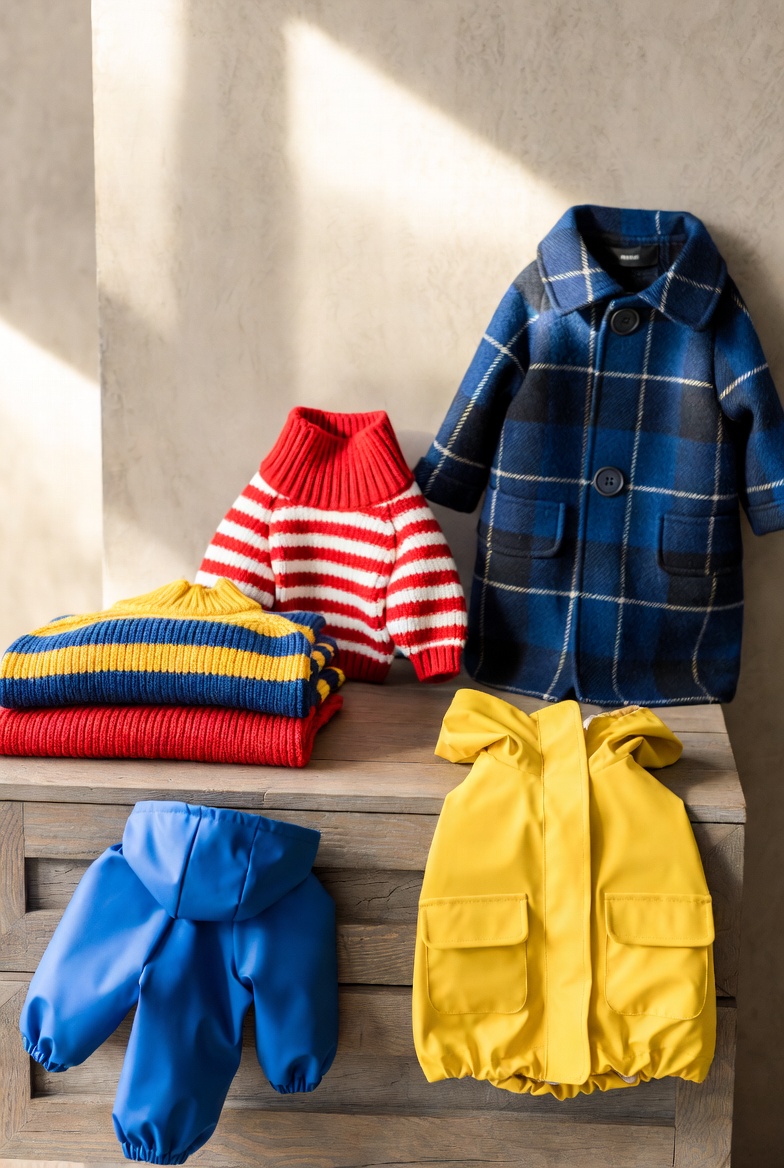
Creating a small, practical wardrobe for your dog can make dressing them easy and enjoyable. Include a few key pieces for each season: a lightweight shirt or tank top for summer, a light sweater or hoodie for spring and fall, and a warm coat or jacket for winter. Add accessories such as bandanas or bow ties for special occasions.
By matching clothing to the weather, your dog’s breed, and their comfort level, you can keep them protected, stylish, and happy. With the right outfits and a little creativity, dog clothes become a fun way to care for your pet and show off their unique personality.