Finding “dog grooming near me” is more than just a quick Google search—it’s about choosing the right professional service to keep your dog clean, comfortable, and healthy. Regular grooming does far more than improve your dog’s appearance; it supports skin and coat health, prevents matting and infections, and can even help you spot early signs of illness. This article explains what to look for in a local grooming salon, what services you can expect, and how to choose the best option for your pup.
Why Regular Dog Grooming Matters
Dogs with long, thick, or curly coats—such as Poodles, Shih Tzus, Goldendoodles, and many mixed breeds—need frequent grooming to prevent painful mats and tangles. Even short‑haired dogs benefit from regular baths, nail trims, and ear cleaning to reduce odor, itching, and skin irritation.
Professional groomers also check your dog’s skin, ears, teeth, and nails during each visit, which can help detect issues like infections, parasites, lumps, or overgrown nails before they become serious. In many cases, groomers are the first to notice subtle changes that prompt a trip to the vet.
Types of Dog Grooming Services Available
Most local dog grooming salons and chains offer a range of services tailored to different breeds and coat types. Common offerings include full baths, breed‑specific haircuts, nail trims, ear cleaning, teeth brushing, and de‑shedding treatments.
Some salons also provide specialty services such as flea and tick baths, medicated shampoos for skin conditions, anal gland expression, and “puppy packages” that introduce young dogs to grooming in a gentle way. Mobile groomers who come to your home can be a great option for anxious or senior dogs that dislike car rides or busy salons.
How to Choose the Right Groomer Near You
When searching “dog grooming near me,” start by reading online reviews and checking photos of the salon’s work. Look for consistent praise about gentle handling, cleanliness, and communication. A reputable groomer should be happy to answer questions about their training, safety procedures, and how they handle nervous or aggressive dogs.
Visit the salon in person if possible. Check that the space is clean, well‑ventilated, and organized, with separate areas for bathing, drying, and grooming. Ask about their policies on vaccinations, appointment scheduling, and what happens if your dog becomes stressed during the visit.
What to Expect During a Grooming Appointment
A typical grooming session begins with a consultation where the groomer discusses your dog’s breed, coat type, and any specific requests, such as a certain haircut style or extra care for sensitive areas. They may also perform a quick health check, looking at the skin, ears, eyes, and nails.
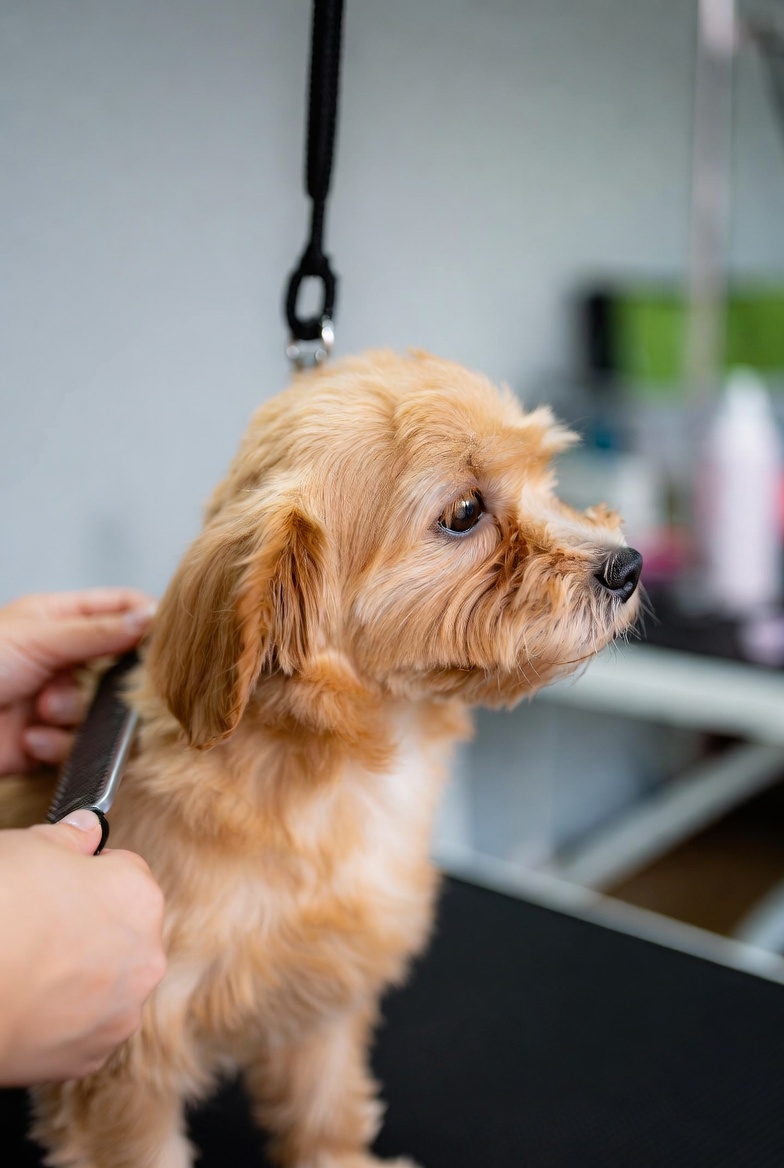
The groomer will then bathe your dog with a suitable shampoo, thoroughly rinse and dry the coat, and proceed with brushing, trimming, or clipping according to the agreed‑upon style. Nail trims, ear cleaning, and teeth brushing are usually included or offered as add‑ons. Most full grooming appointments last 1–3 hours, depending on the dog’s size and coat condition.
Home Grooming vs. Professional Grooming
Home grooming—such as brushing, occasional baths, and nail trims—can help maintain your dog’s coat between salon visits. However, professional groomers have specialized tools, experience, and training that make them better equipped to handle difficult mats, sensitive skin, and complex cuts.
For many owners, a combination works best: regular at‑home brushing and basic care, plus professional grooming every 4–8 weeks. This routine keeps the coat manageable, reduces shedding around the house, and makes each salon visit smoother and less stressful for your dog.
10 Frequently Asked Questions (FAQs)
1. How often should I get my dog professionally groomed?
Most dogs benefit from professional grooming every 4–8 weeks, depending on coat type and lifestyle. Long‑haired or curly‑coated breeds usually need more frequent visits, while short‑haired dogs may only need a full groom every 6–8 weeks with occasional baths and nail trims in between.
2. What should I bring to a grooming appointment?
Bring your dog’s vaccination records if required, any special shampoos or conditioners your vet has recommended, and a list of grooming preferences (such as desired haircut length or areas to avoid). If your dog is anxious, you can also bring a favorite toy or blanket for comfort.
3. Are mobile dog groomers a good option?
Yes—mobile groomers who come to your home can be excellent for dogs that are anxious, elderly, or sensitive to noise and crowds. They typically work one‑on‑one in a fully equipped van, which can reduce stress and waiting time.
4. How much does dog grooming usually cost?
Prices vary by location, dog size, coat type, and services chosen. Basic baths may start around $25–$40, while full grooming packages for larger or long‑haired dogs can range from $60–$120 or more. Many salons offer package deals or loyalty discounts for repeat customers.
5. Can groomers handle matted coats?
Yes, but severe matting may require shaving or careful detangling, which can be uncomfortable for the dog. Regular brushing at home helps prevent mats and reduces the need for drastic measures at the salon.
6. What if my dog is scared of grooming?
Many groomers are experienced with anxious dogs and use gentle handling, breaks, and positive reinforcement to build trust. You can also ask for shorter sessions, avoid busy times, or choose a mobile groomer that offers a quieter, one‑on‑one environment.
7. Do I need an appointment, or can I walk in?
Most reputable salons prefer appointments to ensure availability and reduce stress for the dogs. Some locations do offer walk‑in services for simple tasks like nail trims or quick baths, but it is best to call ahead and confirm.
8. How can grooming help my dog’s health?
Regular grooming keeps the skin and coat clean, reduces the risk of infections, and helps detect lumps, parasites, or injuries early. Nail trims prevent overgrowth and joint strain, while ear cleaning can reduce the risk of ear infections.
9. What should I do before and after a grooming session?
Before the appointment, brush your dog thoroughly and avoid feeding a large meal right before grooming. Afterward, check the skin and coat for any irritation, and follow any aftercare instructions from the groomer, such as avoiding baths for a few days or using a specific shampoo.
10. How do I know if a groomer is qualified?
Look for groomers who are certified or have formal training, maintain a clean and organized salon, and communicate clearly about their services and safety practices. Positive reviews, before‑and‑after photos, and a willingness to answer your questions are all good signs of a qualified professional.
Tips for a Stress‑Free Grooming Experience
To make grooming easier for your dog, start introducing them to handling and basic grooming from a young age. Practice brushing, touching their paws, and using a toothbrush at home so these actions feel familiar. Reward calm behavior with treats and praise.
When you find a groomer you trust, stick with them when possible. Consistency helps your dog feel more comfortable, and the groomer can track changes in your dog’s coat, skin, and behavior over time. With the right professional care and a little home maintenance, your dog can enjoy a clean, shiny coat and a happier, healthier life.