A GPS dog collar turns your dog’s everyday walks and off‑leash adventures into something you can follow in real time. These smart collars combine satellite tracking, cellular data, and mobile apps to show you exactly where your dog is, how far they’ve roamed, and whether they’ve wandered outside a safe zone. For owners of escape‑artists, hunters, or anyone who worries about a lost pet, a GPS collar can be a game‑changer.
How a GPS Dog Collar Works
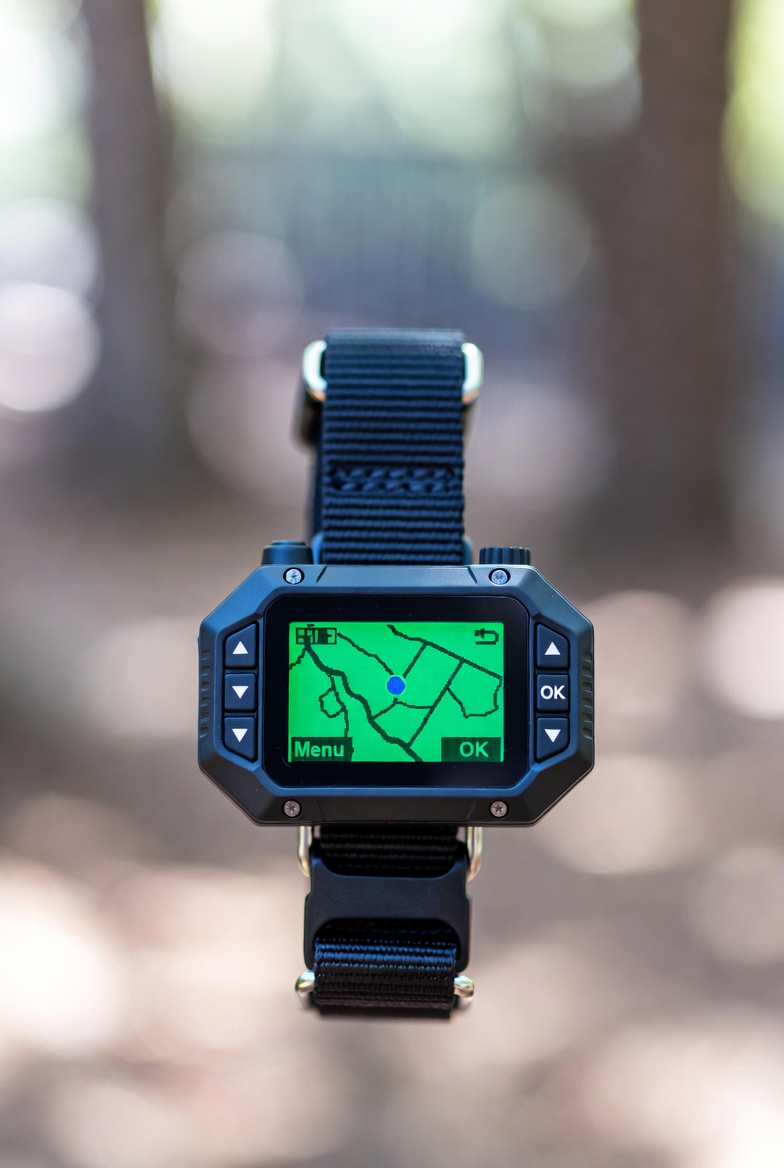
A GPS dog collar contains a small tracking module that attaches to your dog’s existing collar or replaces it entirely. The device uses GPS satellites and often cellular or Wi‑Fi networks to determine your dog’s location and send that data to a smartphone app. You can then view your dog’s position on a map, see their movement history, and receive instant alerts if they leave a designated area.
Most GPS collars require a subscription plan that covers data usage and app access. Some models also integrate with smartwatches or handheld devices, which is especially popular with hunters and outdoor enthusiasts who need reliable tracking in remote areas.
Key Features to Look For
When shopping for a GPS dog collar, focus on features that match your lifestyle. Real‑time tracking is essential if you want to know your dog’s location at any moment. Geofencing lets you set virtual boundaries and receive alerts when your dog crosses them, which is great for keeping them within your yard or a safe hiking zone.
Other useful features include long battery life, water resistance, and durability. Some collars also track activity (steps, distance, calories) and even monitor sleep or behavior changes that might signal health issues. Compatibility with your smartphone and ease of use in the app are also important for everyday convenience.
Types of GPS Dog Collars
There are several types of GPS dog collars on the market. Collar‑integrated models have the tracker built into the collar itself, while clip‑on trackers attach to your dog’s existing collar. Integrated collars often look sleeker and stay more secure, while clip‑ons let you keep your favorite collar.
Some GPS collars are designed specifically for hunting and outdoor work, with extended range, rugged construction, and sometimes training features such as tone or vibration cues. Everyday lifestyle collars focus more on safety, activity tracking, and user‑friendly apps for casual walks and neighborhood adventures.
Choosing the Right Collar for Your Dog
When selecting a GPS collar, consider your dog’s size, weight, and activity level. Larger, more active dogs may need a sturdier device with a stronger battery, while smaller or toy breeds do better with lightweight, low‑profile trackers. Make sure the collar is comfortable, adjustable, and secure so it doesn’t slip off during play.
Think about where your dog spends most of their time. If they roam in rural or remote areas, look for a collar with strong GPS and cellular coverage. If they mostly stay close to home, a simpler model with solid app features may be enough. Always check reviews for reliability, accuracy, and customer support.
10 Frequently Asked Questions (FAQs)
1. Are GPS dog collars safe for all dogs?
Yes—GPS dog collars are generally safe for most dogs as long as they fit properly and are not too heavy. Choose a lightweight, well‑ventilated design and check your dog’s neck regularly for irritation or rubbing.
2. How accurate are GPS dog collars?
Most modern GPS collars are quite accurate, often within a few meters. Accuracy can vary with terrain, tree cover, and signal strength, so expect slight delays or small errors in dense forests or urban canyons.
3. Do GPS dog collars require a subscription?
Most GPS collars do require a monthly or annual subscription to access real‑time tracking and app features. Costs vary by brand and plan, so factor this into your budget when choosing a collar.
4. Can I use a GPS collar for cats or other pets?
Some GPS collars are small and light enough for cats or other pets, but many are designed specifically for dogs. If you want to track a cat, look for a collar marketed for small or feline use and ensure it is comfortable and secure.
5. How long does the battery last?
Battery life ranges from a few days to several weeks, depending on the model and how often it updates. Some collars offer low‑battery alerts and power‑saving modes to extend runtime between charges.
6. Are GPS dog collars waterproof?
Many GPS dog collars are water‑resistant or fully waterproof, making them suitable for dogs that swim or play in rain and mud. Check the manufacturer’s rating to confirm how much water exposure is safe.
7. Can I track my dog in real time?
Yes—most GPS collars provide real‑time tracking through a smartphone app. You can see your dog’s current location, recent route, and receive instant alerts if they leave a safe zone.
8. Are GPS collars suitable for puppies?
Yes—there are GPS collars designed for puppies, usually lighter and with adjustable straps. Introduce the collar gradually and monitor your puppy for any signs of discomfort or irritation.
9. Can GPS collars help with training?
Some GPS collars include training features such as tone or vibration cues to guide your dog’s behavior. These can be helpful for off‑leash training or managing escape‑prone dogs, but should always be used humanely and in line with local regulations.
10. Are GPS dog collars environmentally friendly?
GPS collars are electronic devices that require batteries and charging, so they have an environmental footprint. However, their ability to quickly locate lost pets can reduce the need for extensive searches and resources. Choosing a durable, long‑lasting collar helps minimise waste.
Building a Tracking Routine
Using a GPS dog collar regularly can give you peace of mind and help you understand your dog’s habits. Use it on hikes, visits to the park, or anytime your dog is off‑leash, and set up geofences around your yard or favorite trails. Check the app periodically to review your dog’s activity and location history.
By pairing a reliable GPS collar with responsible supervision and training, you can enjoy more freedom during outdoor adventures while knowing you can always find your dog if they wander too far.