Finding “dog kennels near me” is more than just typing into a search bar—it’s about choosing a safe, clean, and caring place for your dog while you’re away. Whether you need overnight boarding, weekend stays, or extended vacations, the right kennel can make all the difference in your dog’s comfort and your own peace of mind. This guide explains what to look for in a local dog kennel, how to evaluate facilities, and how to choose the best option for your pet.
What to Look for in a Dog Kennel
A reliable dog kennel should be clean, well‑organized, and staffed by knowledgeable, compassionate people. Look for facilities that require up‑to‑date vaccinations, maintain strict sanitation routines, and provide adequate space, ventilation, and climate control. Many reputable kennels also offer playtime, socialization, and individual attention to keep dogs happy and relaxed.
Ask about their policies on feeding, exercise, and handling emergencies. A good kennel will have clear procedures for medical issues, behavior problems, and communication with owners. They should also be happy to answer questions, provide references, and show you the facility in person.
Types of Dog Boarding Facilities
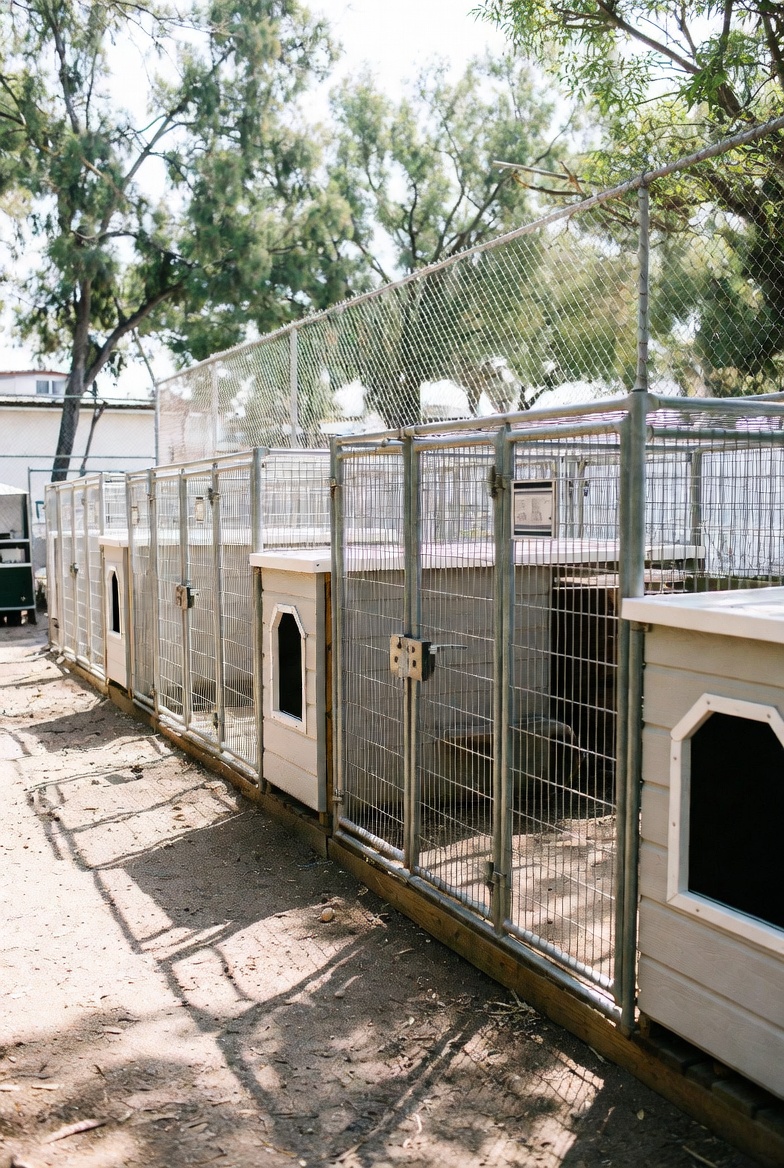
There are several types of dog boarding facilities to choose from. Traditional kennels offer indoor or outdoor runs with individual or group housing. Many include daily walks, play sessions, and basic care. Some kennels also provide grooming, training, or daycare services.
Doggy daycare and resort‑style boarding facilities often feature playrooms, outdoor yards, and more personalized attention. These options are ideal for social dogs that enjoy interaction with other dogs and people. For anxious or senior dogs, smaller, quieter facilities or in‑home boarding may be more comfortable.
How to Evaluate a Kennel in Person
When you search “dog kennels near me,” narrow your options and then visit the facilities in person. Check that the space is clean, well‑ventilated, and free of strong odors. Look for clean bedding, fresh water, and proper fencing or enclosures that prevent escape.
Observe how the staff interacts with the dogs. Are they calm, patient, and attentive? Ask about their experience, training, and how they handle emergencies. Inquire about their policies on vaccinations, behavior management, and how they communicate with owners during a stay.
Questions to Ask Before Booking
Before booking a stay, ask specific questions to ensure the kennel is a good fit. Find out about their vaccination requirements, cleaning and sanitation routines, and how they handle sick or injured dogs. Ask about their policies on feeding, exercise, and socialization.
Inquire about their capacity and how they manage stress or anxiety in dogs. Ask if they offer tours, trial stays, or meet‑and‑greet sessions to help your dog get used to the environment. Make sure they have clear procedures for emergencies and that you can reach them easily.
10 Frequently Asked Questions (FAQs)
1. How do I find reliable dog kennels near me?
Start by searching online for “dog kennels near me” and reading reviews from other pet owners. Look for facilities with positive feedback about cleanliness, staff, and communication. Visit the kennel in person to see the conditions and meet the staff.
2. What vaccinations are required for boarding?
Most kennels require core vaccines such as rabies, distemper, parvovirus, and bordetella (kennel cough). Some may also require additional vaccines or proof of recent deworming. Always check the kennel’s specific requirements before booking.
3. How often are dogs walked and exercised?
Reputable kennels typically provide daily walks and playtime for each dog. Some offer multiple sessions per day, while others provide structured playgroups or outdoor time. Ask about their exercise schedule and how they match dogs for socialization.
4. Are dogs kept in cages or runs?
Dogs may be housed in individual cages, runs, or group areas, depending on the facility. Look for spacious, clean enclosures that allow dogs to stand, turn, and lie down comfortably. Some kennels offer larger runs or outdoor yards for more freedom.
5. How do kennels handle sick or injured dogs?
Most kennels have protocols for handling medical emergencies, including access to a veterinarian and communication with owners. Ask about their procedures for isolation, treatment, and follow‑up care if a dog becomes ill or injured.
6. Can I bring my dog’s food and toys?
Many kennels allow you to bring your dog’s food, treats, and favorite toys to help them feel more comfortable. Check their policies on what you can bring and whether they provide food or bedding.
7. How do kennels manage stress and anxiety?
Good kennels use calming techniques such as quiet spaces, familiar scents, and gentle handling to reduce stress. Some offer individual attention, soothing music, or pheromone diffusers. Ask about their strategies for helping anxious dogs.
8. Are kennels licensed and inspected?
Most reputable kennels are licensed and inspected by local authorities or animal care organizations. Ask about their licensing status and whether they undergo regular inspections to ensure compliance with safety and welfare standards.
9. What should I do if my dog has special needs?
If your dog has medical conditions, allergies, or behavioral issues, inform the kennel in advance. Many facilities can accommodate special diets, medications, or specific care routines. Make sure they are equipped to handle your dog’s needs.
10. How far in advance should I book a stay?
It is best to book a stay several weeks in advance, especially during holidays or peak travel seasons. Popular kennels can fill up quickly, so plan ahead to secure a spot for your dog.
Tips for a Smooth Boarding Experience
To make boarding easier for your dog, prepare them with short stays or trial visits if possible. Bring familiar items such as a favorite blanket or toy to help them feel more comfortable. Provide clear instructions for feeding, medication, and any special care.
Stay in touch with the kennel during your dog’s stay and ask for updates or photos if they offer them. When you pick up your dog, check for any signs of stress or illness and follow up with your veterinarian if needed. With the right kennel and preparation, your dog can enjoy a safe, comfortable stay while you’re away.