An indoor litter box for dogs can be a game‑changer for apartment living, bad‑weather days, or puppies still learning where to go. Unlike traditional cat litter boxes, dog‑specific indoor potties are designed with larger, shallow sides, easy‑to‑clean surfaces, and often artificial turf or absorbent pads that mimic real grass. When paired with consistent training, the right indoor litter box can help your pup learn good bathroom habits while keeping your home clean.
Why Use an Indoor Litter Box for Dogs?
Indoor litter boxes are especially useful for puppies, senior dogs, or dogs in homes without easy outdoor access. They give your dog a predictable, designated spot to relieve themselves, which supports housebreaking and reduces accidents on carpets or floors. For owners with long workdays or limited outdoor space, an indoor potty can be a practical backup or even a primary solution.
Many dog‑friendly litter boxes are designed to be hygienic and low‑odor, with removable trays, washable turf, or disposable pads. This makes cleanup easier and helps keep your home smelling fresh while you work on outdoor training or manage mobility issues.
Types of Indoor Dog Litter Boxes
There are several styles of indoor dog potties to choose from. Classic “litter box” models resemble large cat boxes but have low sides so dogs can step in and out easily. Some include artificial turf on top with a tray underneath to catch urine, while others use absorbent pads or real‑grass inserts.
Grass‑patch systems use real or synthetic grass over a drainage tray, giving dogs a more natural surface to pee on. These are popular for small or toy breeds and for owners who want to transition puppies to outdoor grass later. Pad‑based systems are simpler and often more affordable, using disposable pee pads that fit inside a tray or frame.
Choosing the Best Indoor Litter Box
When selecting an indoor litter box, size it so your dog can stand, turn, and squat comfortably without stepping outside the edges. Measure your dog from nose to tail and choose a box that is at least that long, with enough width for them to move around. For larger dogs, look for extra‑wide or custom‑sized models.
Look for features that make cleaning easy, such as removable trays, washable turf, or leak‑proof liners. A non‑slip base keeps the box stable, and low sides help puppies and seniors step in and out safely. If your dog is a chewer, avoid boxes with flimsy plastic edges or small parts they can bite off.
Using an Indoor Litter Box for Training
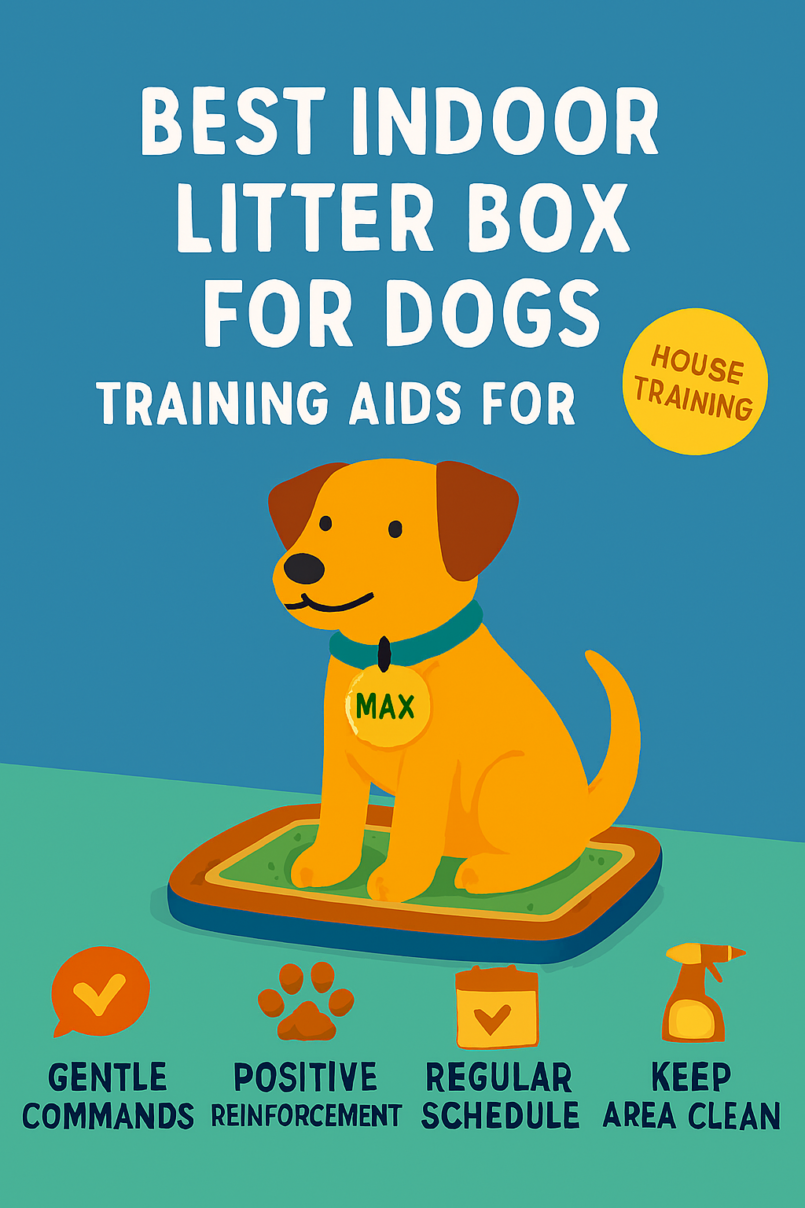
To train your dog to use an indoor litter box, place it in a quiet, easily accessible spot away from food and sleeping areas. Take your dog to the box frequently—after meals, naps, play, and first thing in the morning—and use a consistent cue like “potty” or “go pee.” Reward them immediately with treats and praise when they use it correctly.
Keep the box clean and consistent in location so your dog learns to associate it with bathroom time. Over time, many owners use the indoor box as a stepping stone, gradually moving it closer to the door and then transitioning to outdoor elimination once the dog is reliable.
10 Frequently Asked Questions (FAQs)
1. Can dogs really use a litter box like cats?
Yes—many dogs, especially small or toy breeds, can be trained to use an indoor litter box. It works best when the box is the right size, placed in a consistent location, and paired with positive reinforcement.
2. What size indoor litter box should I get?
Choose a box that allows your dog to stand, turn, and squat comfortably. As a rule of thumb, the box should be at least as long as your dog from nose to tail, with enough width for them to move around without stepping outside.
3. Are indoor litter boxes only for puppies?
No—indoor litter boxes can help puppies, seniors, or any dog with limited outdoor access. They are especially useful for older dogs with mobility issues or for owners in apartments or high‑rise buildings.
4. How do I keep the litter box from smelling?
Clean the box regularly by removing waste, rinsing the tray, and washing the turf or pads as directed. Use odor‑neutralizing sprays made for pets and avoid strong chemicals. Replace pads or turf when they become saturated or hard to clean.
5. Can I use cat litter in a dog litter box?
Most experts recommend against traditional clumping cat litter for dogs, as it can be dusty and potentially harmful if ingested. Use dog‑specific grass pads, artificial turf, or absorbent pads designed for indoor dog potties instead.
6. How do I train my dog to use the indoor litter box?
Place the box in a quiet, accessible spot and take your dog to it frequently, especially after meals, naps, and play. Use a consistent cue and reward them immediately when they use it. Be patient and consistent, and avoid punishing accidents.
7. Can an indoor litter box help with housebreaking?
Yes—indoor litter boxes can support housebreaking by giving your dog a clear, designated spot to go. Many owners use them as a temporary aid while working toward full outdoor training or as a permanent solution in certain living situations.
8. How often should I clean the indoor litter box?
Remove solid waste daily and rinse or spot‑clean the tray as needed. Wash turf or reusable pads according to the manufacturer’s instructions, usually every few days to once a week, depending on use.
9. Are indoor litter boxes safe for chewers?
Some boxes are more durable than others. Look for models with reinforced plastic, metal frames, or elevated designs that are harder to chew. Supervise your dog at first and remove any loose parts they might try to bite.
10. Can I transition from an indoor litter box to outdoor potty?
Yes—many owners start with an indoor box and then gradually move it closer to the door, eventually taking the dog outside to the same type of surface (like grass). Use the same cue and reward system to help your dog make the connection.
Building a Consistent Indoor Potty Routine
To make an indoor litter box work well, integrate it into a regular schedule. Take your dog to the box at predictable times, keep it clean and in the same spot, and reward success consistently. Over time, this routine helps your dog learn where to go and reduces stress for both of you.
Whether you use an indoor litter box as a permanent solution or a training aid, the right product and approach can make potty time easier, cleaner, and more predictable for your pup.