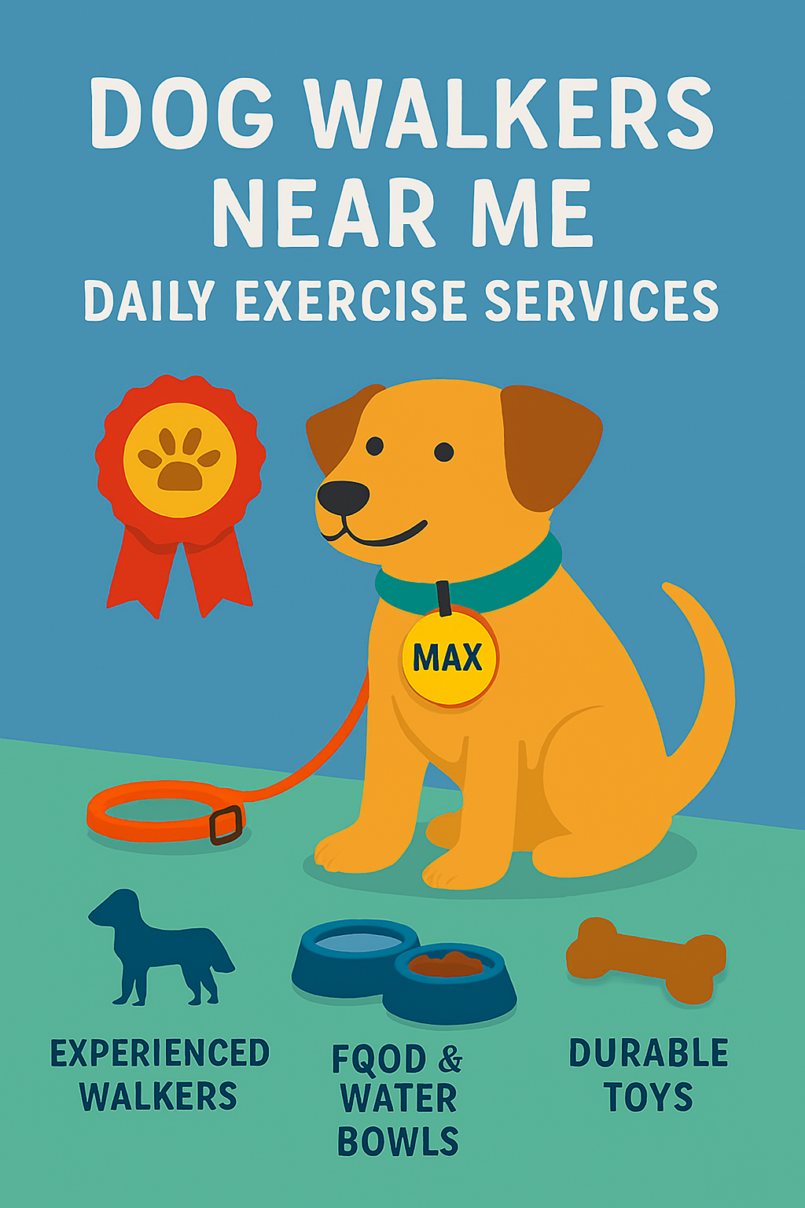
For busy pet owners, finding “dog walkers near me” can be the difference between a restless, bored dog and a happy, well‑exercised companion. Professional dog walking services provide regular outdoor time, mental stimulation, and socialization, all while fitting into your schedule. Whether you need daily midday walks, occasional outings, or flexible drop‑ins, a local dog walker can keep your dog active and healthy even when you’re at work or traveling.
Why Daily Dog Walking Matters
Dogs are naturally active animals that need regular exercise to stay physically and mentally healthy. Without enough walks, many dogs become overweight, anxious, or destructive, chewing furniture, barking excessively, or digging in the yard. Daily walks help burn off excess energy, support joint health, and reduce behavior problems at home.
Walking also gives your dog important mental stimulation. New smells, sights, and sounds keep their mind engaged and can make them calmer and more content when they return indoors. For dogs that spend long hours alone, a midday walk can be a highlight of their day.
Types of Dog Walking Services
Most local dog walkers offer several service options. Solo walks are one‑on‑one outings tailored to your dog’s pace, energy level, and temperament. These are ideal for shy, reactive, or senior dogs that do better without other animals. Group walks involve multiple dogs walking together and are great for social, high‑energy dogs that enjoy play and interaction.
Some services also provide add‑ons such as potty breaks, feeding, medication administration, or short play sessions. Many walkers offer flexible scheduling, including weekday midday walks, weekend visits, or last‑minute bookings for travel or emergencies.
How to Find Reliable Walkers Near You
Start by searching “dog walkers near me” and reading reviews on apps, social media, and local pet‑care platforms. Look for walkers with clear profiles, verified photos, and positive feedback about punctuality, communication, and dog handling. Ask for references or testimonials from other pet owners in your area.
Arrange a meet‑and‑greet so you can observe how the walker interacts with your dog. A good walker will be calm, patient, and confident, and they should ask detailed questions about your dog’s routine, health, and behavior. Check whether they are insured, bonded, and trained in pet first aid or CPR.
What to Expect from a Professional Walker
A professional dog walker should follow a consistent routine, arrive on time, and keep you updated about your dog’s walks. Many services send photos, notes, or app notifications after each visit so you can see that your dog is happy and active. They should use appropriate gear, such as secure leashes and comfortable harnesses, and avoid unsafe routes or high‑traffic areas.
Walkers should also know how to handle common situations, such as encounters with other dogs, loud noises, or sudden weather changes. If your dog has special needs—like medications, anxiety, or mobility issues—the walker should be willing to accommodate them and communicate clearly about any concerns.
10 Frequently Asked Questions (FAQs)
1. How often should my dog be walked?
Most dogs benefit from at least one good walk per day, with many doing best with two shorter walks. High‑energy breeds may need more frequent or longer outings. Discuss your dog’s needs with your veterinarian or walker to create a realistic routine.
2. Are dog walkers insured and bonded?
Many professional dog walkers are insured and bonded, which protects you and your dog in case of accidents or emergencies. Ask for proof of insurance and bonding before hiring, and choose a walker who operates as a legitimate business.
3. Can I see my dog’s walking route?
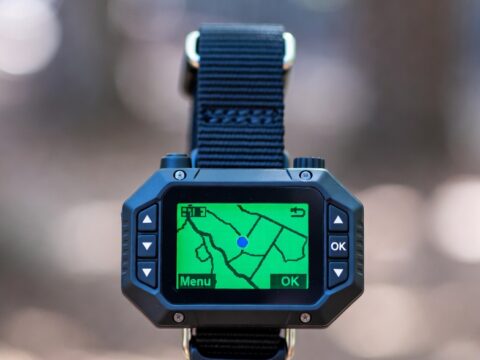
Some walkers share general route information or photos of familiar landmarks so you know where your dog is going. Others may follow set routes in safe neighborhoods. Ask about their typical walking areas and whether they avoid busy streets or hazards.
4. How long is a typical dog walk?
Most standard walks last 20–30 minutes, though many services offer 15‑minute potty breaks or 45–60 minute longer walks for high‑energy dogs. Choose a duration that matches your dog’s age, health, and energy level.
5. What if my dog is reactive or fearful on walks?
Good walkers are trained to handle reactive or fearful dogs using calm, positive techniques. They may use harnesses, gentle redirection, and distance management to keep your dog comfortable. Always inform the walker about any behavior issues or triggers.
6. Can walkers give my dog medication or treats?
Many professional walkers are comfortable administering medications, supplements, or treats as part of their visit. Provide clear written instructions and keep medications in labeled containers. Confirm that the walker is willing and able to handle any medical needs.
7. How do I prepare my dog for a new walker?
Introduce your dog gradually, starting with short, supervised walks. Provide the walker with your dog’s routine, favorite toys, and any behavioral notes. Make sure your home is secure and that your dog has access to water and a safe space when the walker arrives.
8. Are group walks safe for my dog?
Group walks can be safe and fun for social, well‑trained dogs. Reputable walkers carefully match dogs by size, temperament, and energy level and keep groups small. If your dog is shy, reactive, or very young, a solo walk may be a better choice.
9. What should I do if my dog has special needs?
If your dog has medical conditions, allergies, or behavioral issues, inform the walker in advance. Provide written instructions for feeding, medication, and any special care. Make sure the walker is equipped to handle your dog’s needs.
10. How far in advance should I book a dog walker?
It is best to book a dog walker several weeks in advance, especially during holidays or peak travel seasons. Popular walkers can fill up quickly, so plan ahead to secure a spot for your dog.
Building a Walking Routine That Works
Once you find a trustworthy walker, create a consistent schedule that fits your lifestyle and your dog’s needs. Use walks as part of a broader routine that includes feeding, playtime, and training. Stay in touch with the walker and review any updates or concerns about your dog’s behavior or health.
By pairing a reliable local dog walker with responsible supervision and training, you can ensure your dog gets the daily exercise and mental stimulation they need while you stay focused on work, travel, or family life.