Small dogs that don’t shed much are in high demand among people who live in apartments, dislike constant vacuuming, or struggle with mild pet allergies. While no dog is completely shed‑free, several small breeds lose so little hair that you’ll rarely notice it on your clothes or furniture.
What “non‑shedding” really means
All dogs shed to some degree because hair grows, dies, and is replaced—it’s a normal cycle. When people talk about “dogs that don’t shed,” they usually mean breeds that shed so little that it’s barely noticeable in the home. Many of these dogs have hair that grows continuously, similar to human hair, so loose strands stay in the coat instead of falling off everywhere. That’s why they often need regular haircuts and brushing to remove dead hair and prevent tangles. These breeds are often labeled “hypoallergenic,” but this word is a bit misleading, because allergies are usually triggered by dander (tiny skin flakes) and saliva, not just the hair itself.
Popular small dogs that barely shed
Several small breeds combine a compact size with minimal shedding, making them ideal for city living or smaller spaces.
– Bichon Frise: The Bichon Frise is a cheerful, playful companion with a soft, curly white coat. The curls trap loose hair, so you won’t see much on your furniture, but the coat needs frequent brushing to stay fluffy and free of mats. Bichons tend to be friendly with families and do well in apartments as long as they get daily walks and playtime.
– Maltese: The Maltese is a tiny, elegant dog known for its long, silky white hair. This breed sheds very lightly, but because the hair grows continuously, it needs regular grooming—either kept long with careful daily brushing or trimmed into an easy‑care “puppy cut.” Maltese dogs are typically affectionate, people‑oriented, and happy to spend much of the day in your lap.
– Yorkshire Terrier: Yorkies have fine, silky hair that behaves more like human hair than typical dog fur. They are minimal shedders, though their coat requires consistent care to avoid tangling. Many owners keep them in a shorter trim for easier maintenance. Yorkies are small but bold, with a lively personality that suits owners who enjoy a spunky, alert little companion.
– Shih Tzu: Shih Tzus were bred as companion dogs, and they have long, luxurious hair that can be grown out or clipped short. They shed very little, but their coat requires regular brushing and trimming. These dogs are usually affectionate, good with families, and adaptable to apartment life, provided they get moderate daily activity.
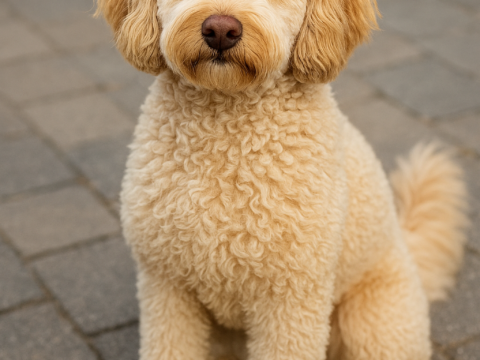
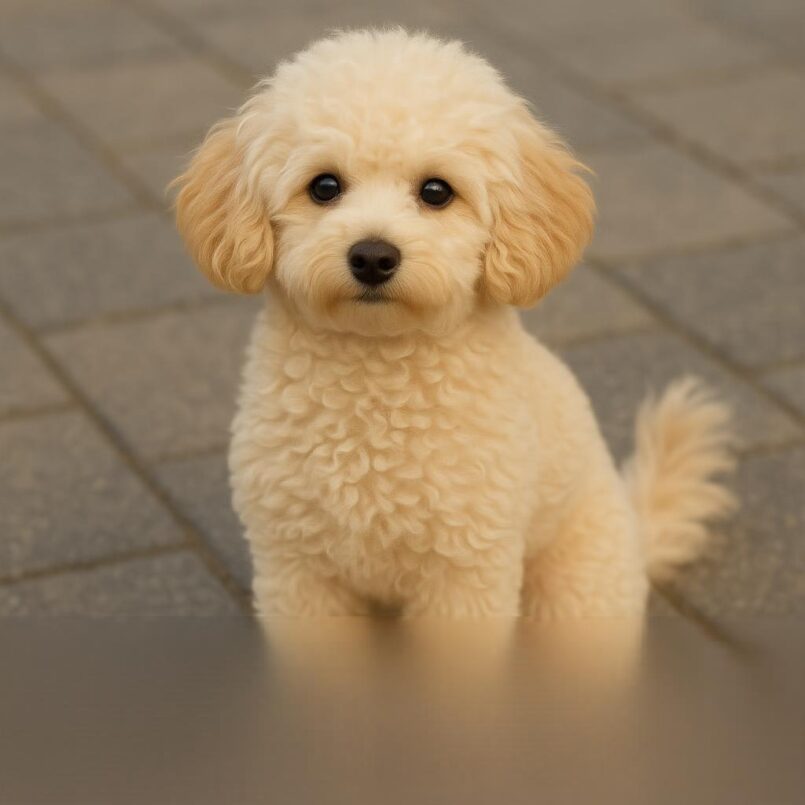
– Toy and Miniature Poodles: Poodles come in several sizes, and the Toy and Miniature versions are ideal for those wanting a small, intelligent, low‑shedding dog. Their dense, curly coat holds onto loose hair instead of dropping it, which dramatically reduces visible shedding. However, they need frequent brushing and regular professional grooming to keep their curls from matting.
– Havanese: The Havanese is a small, friendly companion dog with a long, soft coat that sheds minimally. The hair can be kept long and flowing with daily brushing or trimmed shorter for easier care. They tend to be sociable, adaptable, and well‑suited to apartment living, especially for people who want a more easygoing, affectionate dog.
– Miniature Schnauzer: Although not always grouped with “non‑shedding” dogs, Miniature Schnauzers typically shed very modestly compared with many other breeds. They have a wiry outer coat and a softer undercoat, and loose hair tends to stay in the coat until groomed out. Regular brushing and periodic clipping or hand‑stripping help maintain their low‑shedding, tidy appearance.
Grooming needs of small non‑shedding dogs
The main trade‑off with small dogs that don’t shed much is grooming. You might vacuum less hair, but you will spend more time with a brush—or at the groomer.
– Brushing: Long‑haired and curly‑coated breeds like the Maltese, Bichon Frise, Shih Tzu, Poodle, and Havanese often need brushing several times a week, sometimes daily. This prevents mats, removes loose hair, and keeps the coat comfortable and healthy.
– Haircuts: Many low‑shedding small breeds need regular haircuts every 4–8 weeks. Owners often choose short, practical styles (“puppy cuts”) to reduce tangling and make daily care simpler. Planning for grooming costs is important, especially if you prefer a professionally maintained coat.
– Bathing and skin care: Because loose hair often remains in the coat rather than falling out, it’s important to keep the skin and hair clean. Regular baths with a gentle dog shampoo, followed by thorough drying and brushing, help prevent skin issues and odors. Neglected coats can develop painful mats that trap moisture and dirt against the skin.
– Wire‑coated grooming: Breeds like the Miniature Schnauzer may benefit from hand‑stripping or specific grooming techniques to maintain their wiry texture and low‑shedding qualities. If you choose such a breed, look for a groomer experienced with that coat type.
Are small non‑shedding dogs good for allergies?
Many people with allergies look for small dogs that don’t shed much, hoping this will prevent reactions. While these breeds can be easier on allergy sufferers because they drop less hair and potentially less dander around the home, there is no guarantee that any dog will be completely safe for someone with allergies. Allergic reactions depend on the individual person and the specific dog.
To improve your chances of living comfortably with a small low‑shedding dog if you have allergies, consider these steps:
– Spend time with the breed before committing, ideally in a home where that breed lives, to see how your body reacts.
– Keep the dog well‑groomed to reduce dander buildup in the coat.
– Use air purifiers and wash bedding regularly to reduce allergen levels in your living spaces.
– Establish “no dog” zones, such as the bedroom, if your allergies are more severe.
Small size can actually be an advantage for allergy sufferers, because a smaller dog has less surface area producing dander and carrying allergens around. Combined with low shedding, that can make some small breeds more manageable for sensitive people.
## Choosing the right small, low‑shedding dog for you
When deciding which small non‑shedding dog fits your life, coat type is only one part of the puzzle. You’ll also want to think about energy level, temperament, time for grooming, and your living situation.
– Energy level: Toy Poodles and some Yorkies can be quite energetic and enjoy training, games, and walks. Bichons and Havanese are playful but often a bit more easygoing. Shih Tzus and Maltese may be content with moderate daily activity and lots of lap time.
– Personality: If you want a confident, alert watchdog in a small package, breeds like the Miniature Schnauzer or Yorkshire Terrier often fit that role. If you prefer a more relaxed, lap‑loving companion, a Shih Tzu or Maltese may suit you better. Bichons and Havanese tend to be very social and enjoy meeting new people.
– Grooming tolerance: Ask yourself how much time and money you are willing to spend on grooming. If you don’t mind frequent trims and daily brushing, almost any of these breeds can work. If you want simpler care, consider keeping the coat in a short style and choosing a breed whose coat is relatively easy to manage.
– Household fit: Think about children, other pets, and visitors. Some small breeds are very tolerant and family‑oriented, while others prefer a quieter environment or careful handling. Socialization and training are important for all small dogs, since their size can make them vulnerable and sometimes more cautious.
By weighing these factors—shedding level, grooming needs, temperament, and lifestyle—you can choose a small dog that doesn’t shed much and still fits naturally into your day‑to‑day life. With the right match, you’ll enjoy the comfort of a cleaner home and the companionship of a devoted little friend.