Guard dogs come in many breeds and styles, but the best ones combine loyalty, courage, and clear thinking with the right training and environment. Understanding the main kinds of guard dogs helps you choose a companion that protects without becoming a danger or a burden.
What makes a good guard dog
A true guard dog is more than just big and loud. The most effective guardians share several key **traits**.
– Stable temperament: Calm under pressure, not nervous or randomly aggressive, able to tell real threats from everyday life.
– Strong bond with family: Deep loyalty and desire to stay close, which makes them naturally protective of their people and territory.
– Confidence and courage: Willing to stand their ground, confront intruders, and act decisively when needed.
– High trainability: Intelligent, responsive to commands, and able to learn complex tasks and rules.
– Physical presence: Medium‑to‑large size, strength, and an appearance that deters most would‑be intruders before anything happens.
Without solid training and socialization, even a good breed choice can become unpredictable, fearful, or dangerously overprotective.
Family‑oriented guard dogs
Some breeds are known for balancing real protective ability with a temperament that can work well in family homes.
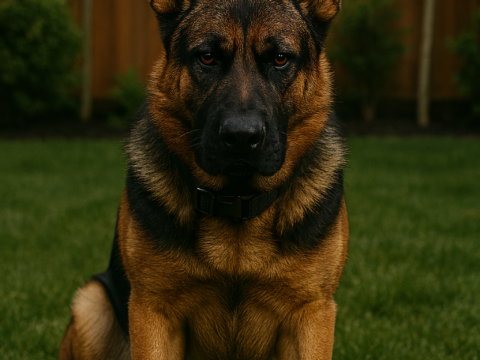
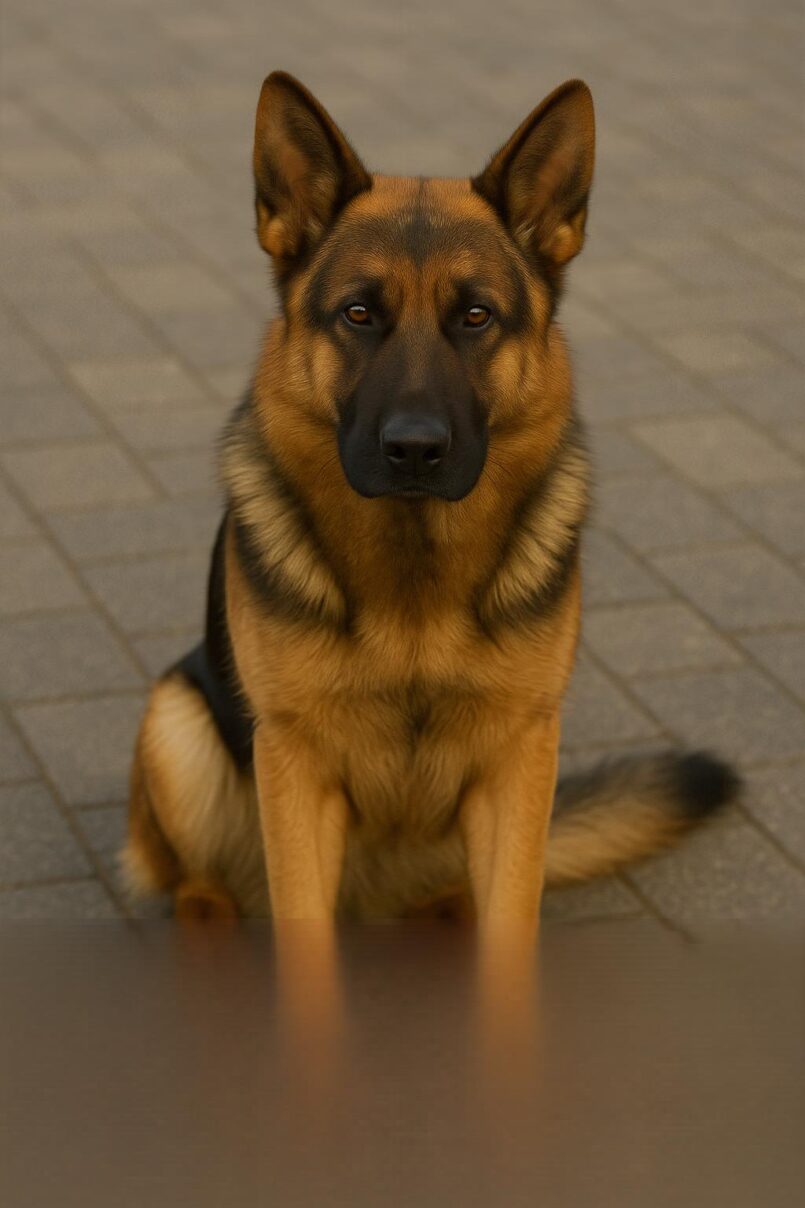
– German Shepherd: Intelligent, loyal, and versatile, German Shepherds are widely used in police and military work and also excel as family protection dogs. They tend to be affectionate with their people, wary of strangers, and quick to respond to threats when properly trained.
– Doberman Pinscher: Athletic and imposing, Dobermans are highly trainable, deeply bonded to their families, and responsive under pressure. With structured training and socialization, they combine speed and power with emotional control and discernment.
– Rottweiler: Known for strength and calm confidence, Rottweilers are loyal, observant, and deliberate rather than impulsive. They are especially valued as steady home guardians when raised with clear leadership and consistent rules.
– Giant Schnauzer: This large, powerful dog is naturally territorial, highly loyal, and thrives when given a job. It can be a trainable family protector for experienced owners who provide exercise, structure, and mental work.
These breeds usually do best in households that can invest significant time in training, exercise, and responsible management.
Livestock and property guardians
Livestock guardian dogs are bred less for obedience drills and more for independent decision‑making and territorial defense. They often live outdoors or on large properties.
– Caucasian Shepherd (Ovcharka): A massive, powerful mountain breed developed to guard flocks from wolves and bears, with intense territorial instincts and an intimidating presence. It is fiercely loyal to its family but unsuitable for first‑time owners because it requires firm, experienced handling and extensive socialization.
– Kuvasz: A large Hungarian guardian known for a calm, watchful nature and deep loyalty. It was bred to protect livestock and property and still retains strong protective instincts and independence.
– Presa Canario: Originally used to guard livestock in the Canary Islands, the Presa Canario is muscular, focused, and highly territorial. It bonds closely with its family but needs confident, skilled owners and may be restricted in some regions.
– Canaan Dog and similar primitive guardians: Smart, alert, and naturally protective, these dogs often guard by watching carefully and standing their ground without unnecessary aggression. They are best for owners who understand independent, self‑directed working breeds.
These dogs are often excellent at deterring intruders on farms and large properties but can be challenging in dense neighborhoods or novice homes.
High‑drive working protection dogs
Some guard dogs are bred for intense work in police, military, and high‑level sport rather than laid‑back home life.
– Belgian Malinois: Extremely fast, driven, and focused, the Malinois is a top choice for elite police and military units worldwide. It constantly assesses its surroundings, reacts quickly, and forms deep bonds with handlers, but its energy and mental needs are too much for most casual owners.
– Dutch Shepherd and Belgian Laekenois: Less common but highly capable, these varieties share the intelligence, agility, and protective nature of other Belgian shepherds. They thrive with structure, challenging tasks, and active, experienced handlers.
– Cane Corso: A powerful Italian mastiff with intense loyalty and naturally strong guarding instincts. It does not need special training to guard, but it does need consistent leadership, socialization, and a stable environment.
– Dogo Argentino: Originally bred for hunting large game, the Dogo is courageous, confident, and protective while also affectionate with its family when properly socialized. Its strength and drive mean it should only be kept by owners committed to training and control.
These breeds can make extraordinary working partners but often struggle in low‑activity households that cannot meet their physical and mental demands.
Choosing the right guard dog
Selecting a kind of guard dog should start with your lifestyle, experience, and environment, not just the breed’s reputation.
– Experience level: First‑time owners usually do better with more biddable, family‑oriented guardians like well‑bred German Shepherds or some Rottweilers, under professional guidance. Powerful, independent livestock guardians and high‑drive working dogs are best left to experienced handlers.
– Living situation: Large estates and rural properties can support independent guardians like Caucasian Shepherds or Kuvasz, while typical suburban homes may be better suited to family‑focused breeds. Breed‑specific laws in some areas may also restrict certain large guardian breeds.
– Purpose: Decide whether you want a deterrent watchdog (to bark and alert), a family protection dog (to stay close and defend if needed), or a working‑level protection dog for specialized tasks.
– Training commitment: Any serious guard dog must be well‑socialized with people and other animals, trained in obedience, and given clear boundaries. Without this foundation, natural guarding instincts can turn into fearfulness, reactivity, or dangerous behavior.
With realistic expectations and proper training, many kinds of guard dogs can provide both security and companionship, serving as devoted partners who protect not only your home but also the people they love most.