Dogs that barely shed are popular with people who love pets but hate fur on clothes and furniture, or who have mild allergies. While no dog is completely non-shedding, several breeds lose so little hair that you’ll rarely see “tumbleweeds” rolling across your floor.
What “low shedding” really means
Low‑shedding dogs still grow and lose hair; they just drop far less of it into your environment. Many have hair that grows continuously and traps loose strands in the coat instead of letting them fall out, which is why they often need regular haircuts. Others have short, fine coats that release only small amounts of hair and are easy to manage with quick weekly brushing. These breeds can still trigger allergies because dander and saliva—rather than hair itself—cause most reactions, but many allergy sufferers find them more comfortable to live with. When people say “hypoallergenic dog,” they usually mean a low‑shedding breed that tends to spread less dander around the home.
Popular small dogs that barely shed
Several small breeds combine a manageable size with minimal shedding, making them good choices for apartments or smaller homes.
– Bichon Frise: This cheerful, curly‑coated companion sheds very little, and most of its loose hair gets caught in the dense coat instead of falling out. Daily brushing and regular professional grooming are essential to prevent mats and keep that cottony coat comfortable.
– Brussels Griffon: Known for a big personality in a tiny body, the Brussels Griffon is a minimal shedder whose short coat needs only weekly brushing and occasional trimming. They suit owners who want an affectionate lap dog that still enjoys play and short walks.
– Basenji: Sometimes called the “barkless dog,” the Basenji has a sleek, short coat that sheds very lightly and requires only occasional brushing. Their cat‑like grooming habits and quiet nature make them appealing for tidy, noise‑sensitive households, as long as they get daily exercise.
– Maltese, Yorkshire Terrier, and similar toy breeds: These dogs have long, silky hair that behaves more like human hair and tends to shed minimally. Because the hair keeps growing, they need frequent combing and regular trims to avoid tangles and overgrowth.
Imagine a small apartment where a Basenji lounges on the couch; with weekly brushing, you might only find a few short hairs on the cushions instead of clumps of fur.
Medium and large low‑shedding breeds
If you want a bigger dog without constant vacuuming, several medium and large breeds are known for shedding far less than average.
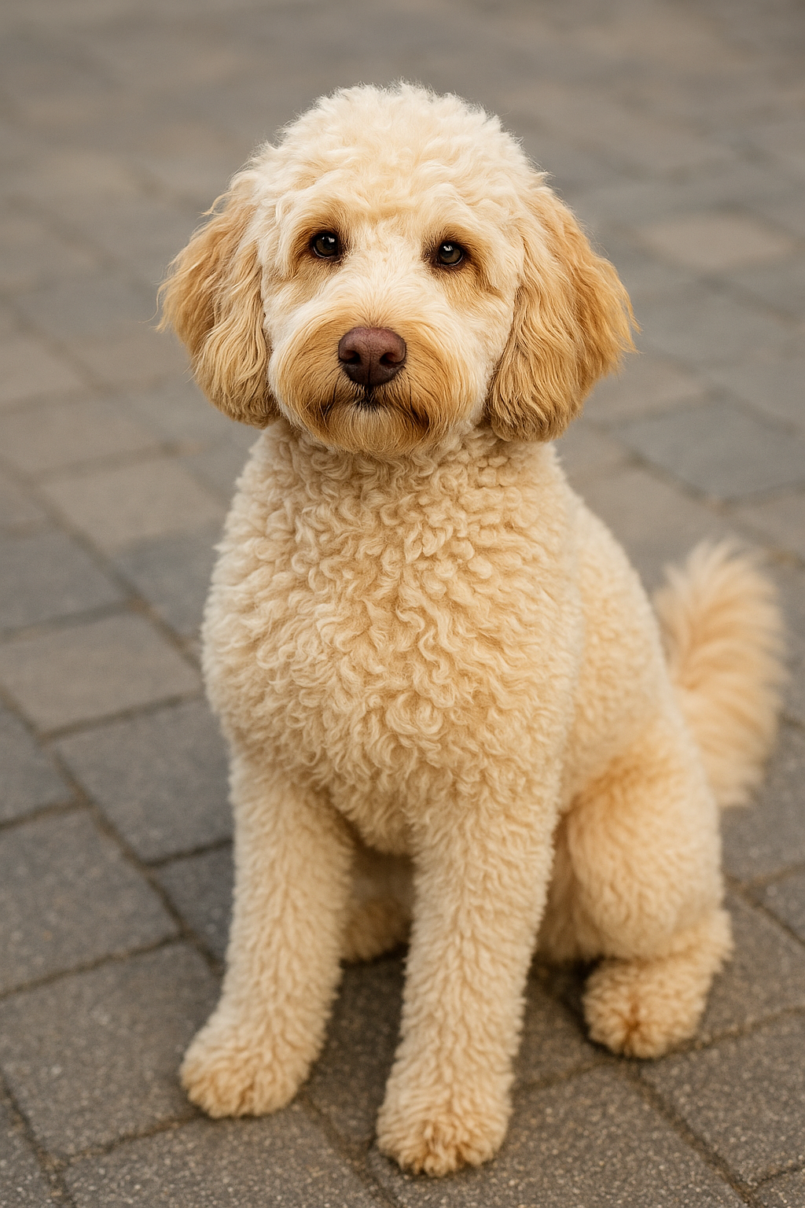
– Poodles (all sizes): Poodles have dense, curly coats that shed at a lower rate and tend to hold loose hairs in the curls, so you see very little hair on surfaces. They are highly intelligent, active dogs that need frequent brushing and regular clipping to prevent matting.
– Portuguese Water Dog: Bred to work in and around water, this athletic dog has a curly or wavy coat that barely sheds but can tangle if not brushed weekly. They fit best with active families who enjoy outdoor activities and can commit to regular grooming.
– Standard Schnauzer: This sturdy, medium‑sized dog has a wiry outer coat that is naturally low‑shedding. To keep that texture and prevent mats, the coat needs regular brushing and periodic hand‑stripping—a process that removes dead hair by hand or with a special knife.
– Irish Water Spaniel and similar curly‑coated breeds: With tight curls and a low‑shedding coat, these dogs drop very little hair, but they do require consistent brushing to keep curls separate and skin healthy. They tend to be energetic, trainable partners for active owners.
Even some short‑haired breeds like French Bulldogs and Boxers shed less than many other dogs, as long as you keep up with brushing a few times a week. Their hair is short and fine, so what they do shed is easier to manage than long, fluffy fur.
Grooming needs of low‑shedding dogs
The main trade‑off with dogs that barely shed is that you often swap vacuuming for grooming.
– Brushing: Curly and long‑haired low‑shedding breeds (like Poodles, Bichons, and Portuguese Water Dogs) need brushing several times a week, sometimes daily, to prevent mats. Short‑coated low‑shedding breeds (such as Basenjis or Brussels Griffons) usually do well with a quick weekly brush.
– Haircuts: Many low‑shedding dogs require regular haircuts every 4–8 weeks to keep their coat at a manageable length and avoid overgrowth around the eyes, paws, and sanitary areas.
– Hand‑stripping: Wire‑coated breeds like Schnauzers and some terriers keep their texture and low‑shedding properties best when their dead coat is hand‑stripped several times a year.
– Skin care: Because dead hair often stays in the coat, it’s important to keep the skin clean and dry and to remove tangles so air can circulate to the skin. Neglecting grooming can lead to mats that pull painfully on the skin and may require shaving to remove.
If you prefer less time with a brush, a short‑coated low‑shedder like a Basenji or French Bulldog is usually easier than a long‑haired or curly breed that needs frequent salon visits.
Choosing the right low‑shedding dog
When picking a dog that barely sheds, coat type is only one part of the decision.
– Energy level: Many low‑shedding breeds, such as Poodles, Portuguese Water Dogs, and Irish Water Spaniels, are highly active and need substantial daily exercise and mental stimulation. If you want a calmer companion, consider smaller, more relaxed breeds like Bichons or Brussels Griffons.
– Size and space: Apartment dwellers often do best with compact, low‑shedding dogs that can exercise indoors and on short walks, while larger, athletic breeds need more room and outdoor time.
– Family fit: Some low‑shedding dogs are ideal for families and kids, while others are more reserved or independent and may prefer quieter homes. Researching each breed’s temperament and talking with reputable breeders or rescues helps match the dog to your household.
– Allergy expectations: A low‑shedding dog may reduce the amount of hair and dander in your environment, but it cannot guarantee an allergy‑free experience. Meeting a dog in person before adoption is the best way to see how your body reacts.
By focusing on both coat type and lifestyle, you can find a dog that barely sheds and still fits naturally into your daily routine.