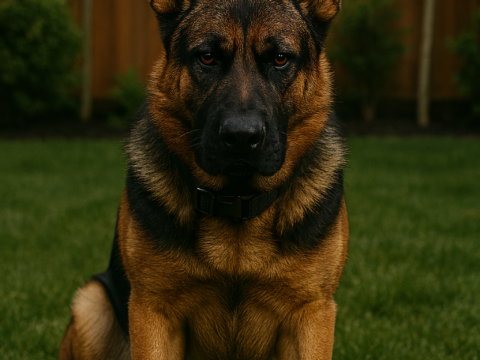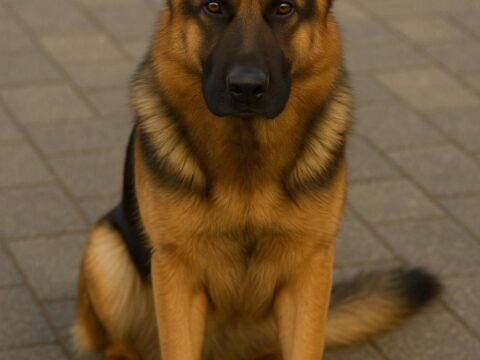
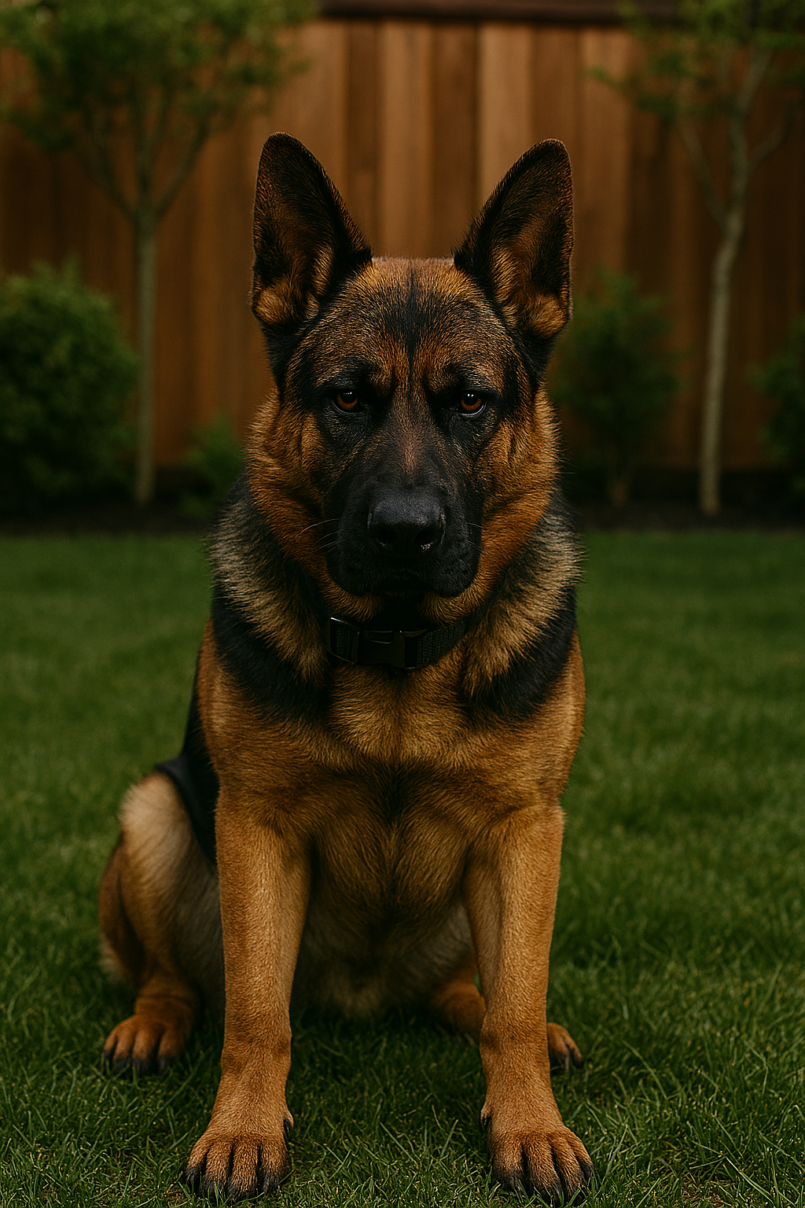
The German Shepherd Dog is one of the most versatile and recognizable breeds in the world, known for its intelligence, loyalty, and working ability. Originally developed as a herding and farm dog, it has grown into a top choice for police, military, search‑and‑rescue, service work, and family companionship. This versatility is a blessing, but it also means German Shepherds need thoughtful training, consistent structure, and appropriate care. With the right guidance, they become confident, obedient partners who thrive in both active homes and working roles. This guide covers essential training steps and day‑to‑day care to help you bring out the best in your German Shepherd.
Understanding the German Shepherd Temperament
German Shepherds are highly intelligent, observant, and eager to work with their people. They tend to form strong bonds with their families and often display a natural protective instinct, making them excellent watchdogs when properly socialized. This breed is typically confident and self‑assured, but poorly bred or under‑socialized dogs can become anxious, fearful, or reactive. Because they notice everything, they can also be prone to overthinking or stress if they have no outlet for their energy and intelligence. Recognizing that you are living with a high‑drive working dog—not just a pet—helps you prioritize training, mental stimulation, and clear routines from day one.
Early Socialization and Exposure
Proper socialization is one of the most important investments you can make in a German Shepherd puppy. From around 8 to 16 weeks, safely expose your puppy to a variety of environments, surfaces, sounds, and people of different ages and appearances. Aim for calm, positive experiences: short visits to parks, walks near schools, gentle introductions to friendly, vaccinated dogs, and car rides that end in something pleasant. Avoid overwhelming your puppy; the goal is curiosity and confidence, not forcing them into scary situations. Continue socialization through adolescence by maintaining controlled exposure to new places and situations so your dog learns to stay calm and focused in the real world.
Basic Obedience Training
German Shepherds excel at obedience, but they need clear, consistent instruction. Start with foundational cues such as sit, down, stay, come, and heel, using reward‑based methods like treats, toys, and praise. Keep training sessions short and engaging—5 to 10 minutes several times a day—rather than long, repetitive drills. Focus on building reliability in different environments, beginning in quiet areas and gradually adding distractions like other people, dogs, or traffic noises. Teaching a solid recall and impulse control (for example, waiting at doors or before crossing streets) is especially important for a strong, energetic breed. Consistency between family members is key; everyone should use the same cues and rules.
Advanced Training and Mental Stimulation
Once your German Shepherd masters the basics, advanced training keeps their sharp mind satisfied. Consider teaching more complex behaviors such as place (going to a mat and staying there), scent games (finding hidden treats or toys), and tricks that require problem‑solving. Many German Shepherds thrive in dog sports like obedience competitions, agility, tracking, protection sports (with ethical, experienced guidance), or search‑and‑rescue work. Even if you don’t compete, structured training games at home—like hide‑and‑seek, puzzle feeders, and “find it” games—help burn mental energy. A bored German Shepherd often invents their own jobs, which can mean chewing, digging, or over‑guarding the house, so mental challenges are just as important as physical exercise.
Exercise Needs and Daily Activity
German Shepherds are athletic dogs that require regular, meaningful exercise. Most adults do best with at least one to two hours of combined physical and mental activity each day, which can include brisk walks, jogs, fetch sessions, structured play, and training. Young puppies should avoid high‑impact exercise like long runs or repetitive jumping to protect growing joints, but they still need short play sessions and walks appropriate for their age. Variety is helpful: mix on‑leash walks with off‑leash play in safe areas, obedience drills, and sniffing opportunities. Insufficient exercise often leads to restlessness, vocalization, or destructive behavior, so plan activity as a daily non‑negotiable, not an occasional bonus.
Nutrition and Healthy Weight Management
A balanced diet is essential to support the German Shepherd’s active body and strong muscles. Choose a high‑quality dog food appropriate for your dog’s age (puppy, adult, senior), size, and activity level, and follow portion guidelines, adjusting based on body condition. You should be able to feel your dog’s ribs under a thin layer of fat and see a noticeable waist from above; being too thin or overweight can both contribute to health issues. Avoid overfeeding treats, and use part of your dog’s daily ration as training rewards to prevent extra calories. Fresh water should be available at all times, and any sudden changes in appetite, weight, or digestion warrant a conversation with a veterinarian.
Coat Care and Grooming Routine
German Shepherds have a double coat that sheds year‑round and more heavily during seasonal shedding periods. Regular brushing—ideally several times a week—helps remove loose hair, reduce matting, and keep your home cleaner. Use an undercoat rake or slicker brush to reach the dense inner coat and a comb to check for tangles behind the ears, under the legs, and around the tail. Bathe your dog as needed (usually every few months or when dirty), using a gentle, dog‑specific shampoo to avoid drying out the skin. Don’t forget routine grooming tasks like nail trimming, ear checks and cleaning, and regular tooth brushing, which all contribute to comfort and long‑term health.
Health Considerations and Vet Care
Like many large breeds, German Shepherds are prone to certain health issues, including hip and elbow dysplasia, some spinal problems, and digestive issues. Regular veterinary checkups help catch problems early and keep vaccinations, parasite prevention, and dental care up to date. Choose breeders or rescues that prioritize health testing and transparency if you are acquiring a puppy or young dog. Watch for signs of discomfort such as stiffness, limping, reluctance to jump or climb stairs, changes in gait, or sudden changes in behavior or appetite. Maintaining a healthy weight, providing appropriate exercise, and following your vet’s advice on supplements or preventive measures can all help support joint and overall health.
Living With a German Shepherd in the Home
At home, German Shepherds typically want to be close to their people and involved in daily life. They do best when treated as family members rather than yard dogs, with plenty of interaction, mental stimulation, and clear boundaries. Early training on house rules—like where they are allowed to lie, how to greet visitors, and how to behave around children—prevents problems later. Because they are naturally watchful, they may bark to alert you to noises or strangers; teaching a cue like “quiet” and rewarding calm behavior helps keep this manageable. Crate training and teaching a strong “settle” cue give your dog the ability to relax, even in a busy household.
Is a German Shepherd Right for You?
A German Shepherd can be an incredible companion, but this breed is not the best fit for everyone. They need time, training, and engagement from owners who enjoy working with their dog and providing structure. If you want a smart, loyal partner and are prepared for regular exercise, ongoing training, and shedding, a German Shepherd can be one of the most rewarding dogs to live with. If your schedule is very limited or you prefer a low‑maintenance, low‑energy pet, another breed or mix might be a better match. Honestly assessing your lifestyle and expectations before bringing one home will help ensure that both you and your dog can thrive together for many years.