DIY Pet Grooming Tips: Home Care Essentials
Grooming your pet at home is one of the easiest ways to support their health, comfort, and bond with you. With a few simple tools and a consistent routine, you can keep your dog or cat looking and feeling their best between professional grooming visits. This guide covers the essential DIY grooming practices every pet owner should know, plus answers to common questions about home care.
Why Home Grooming Matters
Regular grooming does more than keep your pet looking neat. It helps prevent skin infections, reduces shedding around the house, and can reveal early signs of health problems such as lumps, parasites, or dental disease. Brushing, bathing, nail trimming, and ear cleaning all contribute to a healthier, more comfortable pet.
Home grooming also strengthens the bond between you and your pet. When done gently and positively, grooming becomes a calming routine that your pet can learn to enjoy. Over time, this makes vet visits and professional grooming less stressful for everyone.
Essential Tools for DIY Grooming
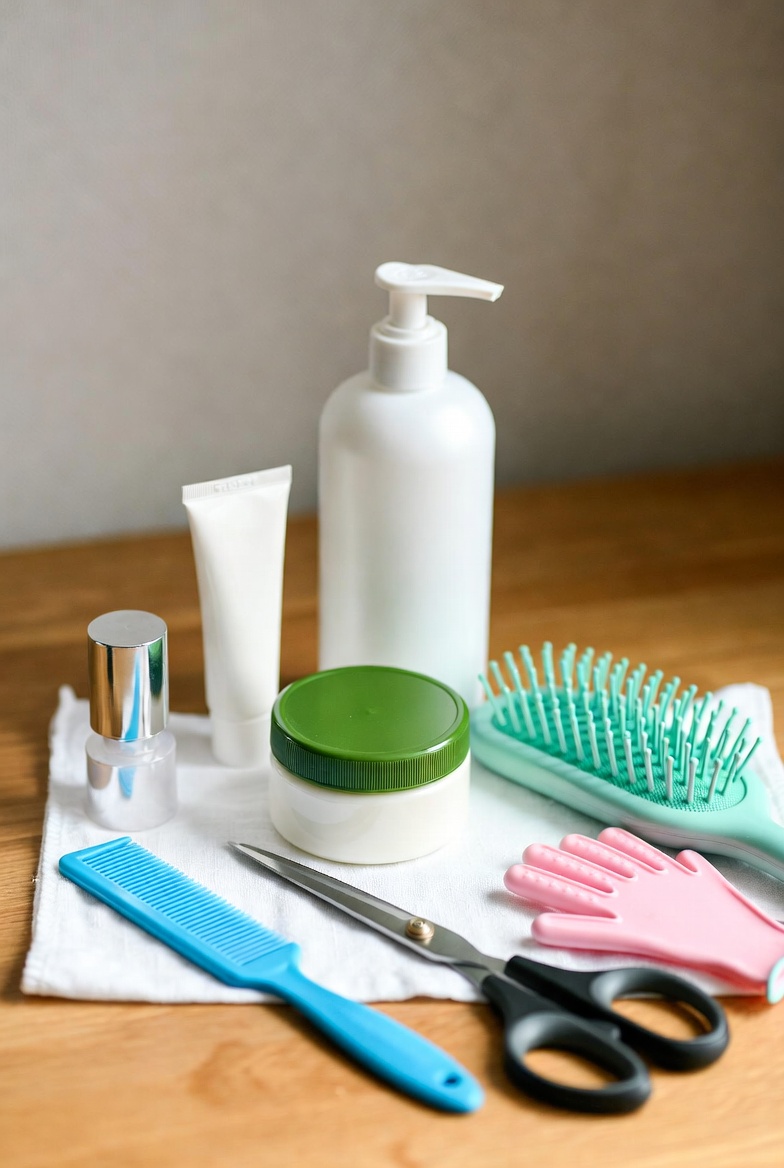
Before you start, gather a few basic grooming supplies. You will need a brush or comb suited to your pet’s coat type, nail clippers or a grinder, pet‑safe shampoo, cotton balls or pads, and a towel. For long‑haired pets, you may also want thinning shears or scissors for light trimming.
Choose tools designed specifically for pets, not humans. Slicker brushes work well for most medium‑ to long‑haired dogs, while bristle brushes are better for short coats. Double‑sided combs can help remove tangles close to the skin. For cats, soft‑bristle brushes or grooming gloves are usually the most comfortable.
Brushing: The Foundation of Grooming
Brushing should be a gentle, positive experience. Start by petting your pet and speaking in a calm voice, then begin with short sessions and gradually increase the time as they become more comfortable. Brush in the direction of hair growth, starting at the head and moving toward the tail.
Pay extra attention to areas that mat easily, such as behind the ears, under the legs, and around the collar. If you find a tangle, hold the base of the hair with one hand and gently work through it with the other. For severe mats, it may be safer to have a professional groomer remove them to avoid hurting your pet.
Bathing Your Pet at Home
Most pets do not need frequent baths unless they get very dirty or have a skin condition. Over‑bathing can strip natural oils from the skin and cause dryness. When you do bathe your pet, use a pet‑safe shampoo and lukewarm water.
Before bathing, brush your pet thoroughly to remove loose hair and tangles. Wet the coat completely, apply shampoo, and massage it gently into the skin, avoiding the eyes and ears. Rinse thoroughly, then towel‑dry and, if needed, use a blow dryer on a low, cool setting. Always reward your pet with praise or a treat after the bath.
Nail Trimming Made Simple
Trimming your pet’s nails is an important part of home grooming. Long nails can cause discomfort, change their gait, and even lead to joint problems over time. Use pet‑specific nail clippers or a grinder, and only cut a small amount at a time.
Avoid the quick, the pink area inside the nail that contains blood vessels. If you are unsure, trim just the tip or ask a groomer or veterinarian to show you the safe cutting line. If you accidentally cut the quick, use styptic powder or cornstarch to stop the bleeding. If your pet is very anxious, consider using a grinder or asking a professional for help.
Caring for Ears and Teeth
Regular ear checks and cleanings help prevent infections, especially in pets with floppy ears. Gently lift the ear flap and look for redness, odor, or discharge. Use a pet‑safe ear cleaner and cotton balls or pads to wipe the outer ear, never inserting anything deep into the ear canal.
Dental care is also part of grooming. Brush your pet’s teeth with a pet‑specific toothbrush and toothpaste a few times a week. Dental chews and toys can help reduce plaque, but they do not replace brushing. If your pet resists, start slowly and reward calm behavior.
10 Frequently Asked Questions (FAQs)
1. How often should I brush my pet at home?
Short‑haired pets usually benefit from brushing once or twice a week, while long‑haired or double‑coated pets may need daily brushing to prevent mats. Adjust the frequency based on your pet’s coat type and shedding level.
2. How often should I bathe my pet?
Most pets only need a bath every 4–8 weeks unless they get very dirty or have a skin condition. Over‑bathing can dry out the skin, so focus on regular brushing and spot‑cleaning between full baths.
3. Can I use human shampoo on my pet?
No—human shampoos are formulated for different pH levels and can irritate a pet’s skin. Always use a pet‑safe shampoo, and choose a gentle or medicated formula if your pet has sensitive skin or allergies.
4. How can I make nail trimming less stressful?
Start by handling your pet’s paws regularly so they get used to it. Trim one or two nails at a time, offer treats, and keep sessions short. If your pet is very anxious, consider using a grinder or asking a groomer or vet to demonstrate proper technique.
5. What should I do if my pet hates grooming?
Introduce grooming slowly and make it positive with treats, praise, and breaks. Start with short sessions and focus on one area at a time. If your pet remains very stressed, seek help from a professional groomer or trainer who can guide you through the process.
6. How do I know if my pet’s coat is healthy?
A healthy coat should be shiny, soft, and free of excessive dandruff, bald spots, or strong odor. If you notice redness, itching, hair loss, or a foul smell, consult your veterinarian, as these can indicate skin infections or allergies.
7. Can I trim my pet’s hair at home?
Yes, light trimming around the face, paws, and sanitary areas is usually safe for beginners. Use blunt‑tipped scissors and work slowly, always avoiding sensitive areas. For full haircuts or complex styles, it is best to see a professional groomer.
8. How often should I clean my pet’s ears?
Check your pet’s ears weekly and clean them as needed, especially after baths or swimming. Pets with floppy ears or a history of infections may need more frequent cleaning. If you see redness, swelling, or a bad odor, contact your vet.
9. Is it safe to use a blow dryer on my pet?
Yes, as long as you use a low, cool setting and keep the dryer moving. Avoid holding it too close to the skin, and watch your pet’s reaction. Some pets prefer air‑drying with towels, especially if they are sensitive to noise.
10. When should I see a professional groomer instead of grooming at home?
If your pet has severe mats, skin issues, behavioral problems, or a very complex coat, it is safer to see a professional groomer. They have the experience, tools, and training to handle difficult situations and keep your pet comfortable.
Building a Consistent Grooming Routine
Once you understand the basics, try to establish a regular grooming schedule that fits your lifestyle. Even short, frequent sessions are better than long, infrequent ones. Over time, your pet will become more relaxed, and grooming will feel like a natural part of your daily routine.
By combining simple DIY grooming at home with occasional professional care, you can keep your pet clean, healthy, and happy. With patience and practice, beginner pet grooming becomes a rewarding way to care for your pet and enjoy quality time together.