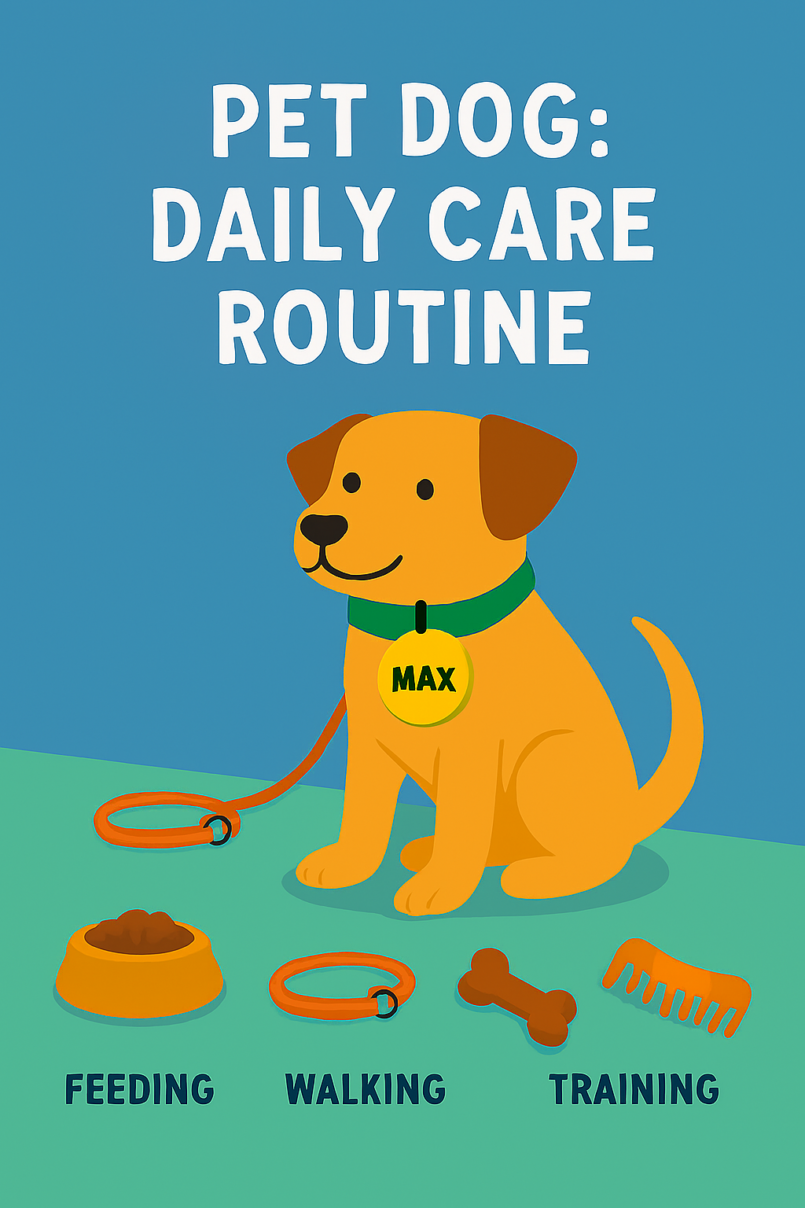
Keeping a pet dog healthy and happy starts with a consistent daily care routine. From feeding and walks to grooming and mental stimulation, a structured schedule helps your dog feel secure, reduces behavior problems, and supports their overall well‑being. This guide walks you through a practical daily routine for a typical pet dog and answers common questions about keeping your pup in top shape.
Morning: Start the Day Right
Begin each day with a potty break as soon as your dog wakes up. This helps prevent indoor accidents and supports bladder health. Follow this with a short walk to get your dog moving, stretch their muscles, and engage their nose with new smells.
Next, offer breakfast at a consistent time, using a measured portion suited to your dog’s age, size, and activity level. Always provide fresh water and consider adding a light play session or puzzle toy before you leave for work. This mental and physical activity can help your dog settle more calmly while you’re away.
Midday: Check‑In and Exercise
During the day, your dog needs at least one more potty break and some form of exercise or play. If you’re home, take a 10–20 minute walk or play in the yard. If you’re at work, a dog walker or a trusted friend can help with a midday outing.
Refresh your dog’s water and rotate toys to keep them engaged. A short training session or a treat‑dispensing toy can provide mental stimulation and help prevent boredom. For puppies or senior dogs, keep activities gentle and avoid overexertion.
Afternoon: Physical and Mental Stimulation
In the afternoon, focus on physical activity and mental enrichment. A longer walk, jog, or play session helps burn off excess energy and supports weight management. Use this time for training, such as practicing commands, tricks, or leash manners.
Introduce puzzle toys, snuffle mats, or hide‑and‑seek games to challenge your dog’s mind. Rotate toys regularly to keep things interesting and prevent destructive chewing. End the session with a calm period so your dog can rest and digest.
Evening: Wind Down and Bond
In the evening, offer dinner at a consistent time, followed by a short walk or potty break. This routine helps your dog settle for the night and reduces nighttime accidents. After eating, give your dog some quiet time to digest before engaging in vigorous play.
Use the evening for bonding activities such as grooming, cuddles, or gentle massage. Brush your dog’s coat, check their ears and nails, and perform a quick health check for any lumps, bumps, or signs of irritation. End the day with a final potty break before bedtime.
10 Frequently Asked Questions (FAQs)
1. How many times a day should I feed my dog?
Most adult dogs do well with two meals per day, while puppies may need three to four smaller meals. Follow feeding guidelines on the food packaging and adjust based on your dog’s age, weight, and activity level. Consult your veterinarian for personalized advice.
2. How much exercise does my dog need?
Most dogs benefit from at least one good walk per day, with many doing best with two shorter walks. High‑energy breeds may need more frequent or longer outings. Adjust exercise based on your dog’s age, health, and energy level.
3. How often should I groom my dog?
Grooming frequency depends on your dog’s coat. Short‑haired dogs may only need brushing once or twice a week, while long‑haired breeds often need daily grooming. Nail trimming, ear cleaning, and baths should be done as needed, usually every few weeks to a few months.
4. How do I know if my dog is getting enough mental stimulation?
If your dog is calm, sleeps well, and isn’t destructive, they’re likely getting enough mental stimulation. Signs of boredom include chewing, digging, barking, or pacing. Add puzzle toys, training sessions, or new walks to increase engagement.
5. How often should I take my dog to the vet?
Most dogs should see a veterinarian at least once a year for a wellness exam, vaccinations, and parasite prevention. Puppies, seniors, or dogs with health issues may need more frequent visits. Follow your vet’s recommendations for your dog’s specific needs.
6. How do I keep my dog’s teeth clean?
Brush your dog’s teeth daily with a dog‑specific toothbrush and toothpaste. Use dental chews, toys, or water additives as supplements, but not replacements. Regular dental check‑ups with your veterinarian are also important.
7. What should I do if my dog is anxious or destructive?
Address anxiety or destructive behavior with increased exercise, mental stimulation, and training. Provide appropriate chew toys and manage the environment to prevent access to tempting objects. If problems persist, consult a veterinarian or professional trainer.
8. How do I make sure my dog is hydrated?
Always provide fresh, clean water and check bowls regularly. Offer water after walks, play sessions, or hot weather. If your dog isn’t drinking enough, consult your veterinarian, as dehydration can be a sign of illness.
9. How do I handle my dog’s shedding?
Regular brushing helps reduce shedding and prevents mats. Use a brush suited to your dog’s coat and groom more frequently during shedding seasons. Bathe your dog as needed, but avoid over‑bathing, which can dry out the skin.
10. How can I adjust the routine for puppies or seniors?
Puppies need more frequent potty breaks, smaller meals, and shorter, more frequent play sessions. Seniors may need gentler exercise, more rest, and joint supplements. Adjust the routine to match your dog’s age, health, and energy level.
Building a Consistent Routine
A consistent daily routine helps your dog feel secure and reduces stress. Stick to regular feeding, walking, and bedtime schedules, and adjust as needed for your dog’s age, health, and lifestyle. Stay in touch with your veterinarian and monitor your dog’s behavior and health.
By following a structured daily care routine, you can ensure your pet dog stays healthy, happy, and well‑cared for every day.