
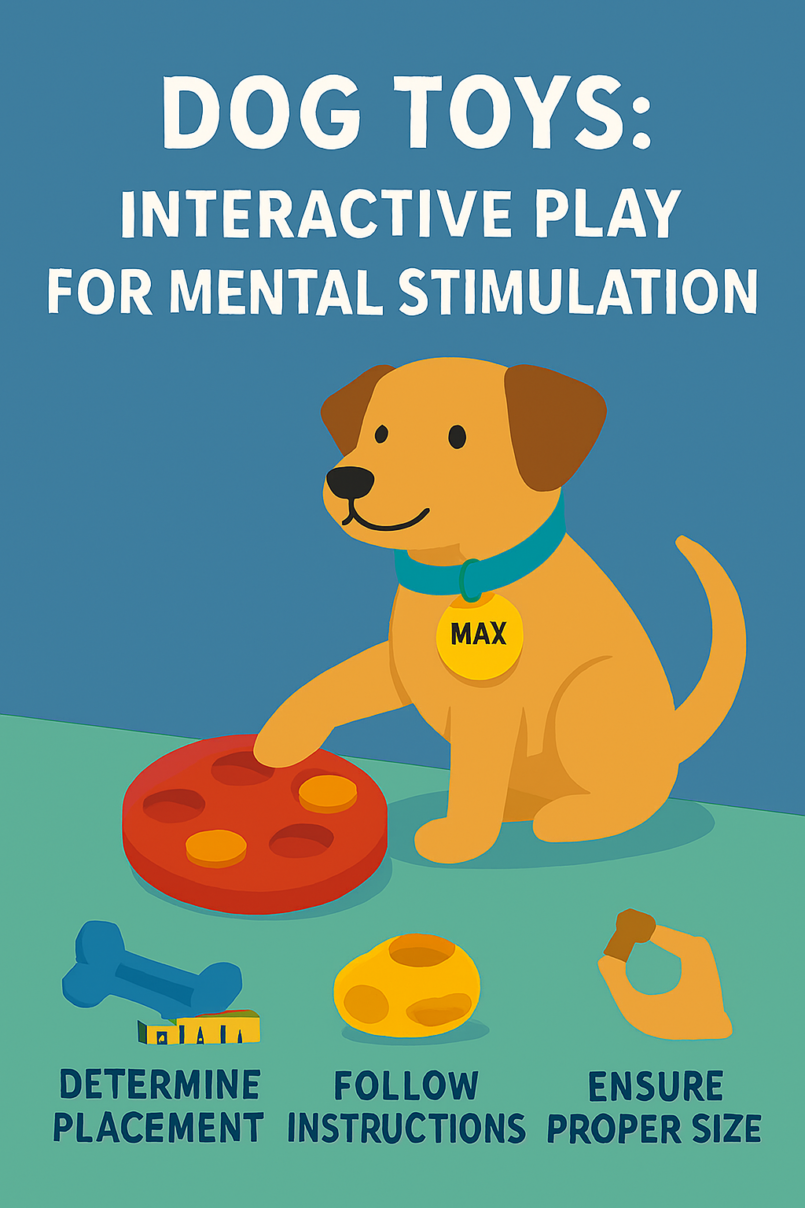
Dog toys are much more than simple distractions—they are powerful tools for mental stimulation, physical exercise, and bonding between you and your pet. Interactive dog toys, in particular, encourage problem‑solving, focus, and engagement, which can reduce boredom, anxiety, and destructive behaviors. Whether your dog is a high‑energy athlete or a couch‑potato senior, the right interactive toys can keep their mind sharp and their body active.
Why Mental Stimulation Matters
Dogs are naturally curious and intelligent animals that thrive on mental challenges. Without enough stimulation, they can become bored, anxious, or frustrated, which often leads to chewing, digging, barking, or other unwanted behaviors. Interactive toys give your dog a constructive outlet for their energy and curiosity, helping them feel satisfied and relaxed.
Mental stimulation also supports brain health, especially in older dogs. Regular play with puzzle toys, treat‑dispensing gadgets, and training‑style games can help maintain cognitive function and slow age‑related decline. For puppies, interactive toys support learning, focus, and impulse control from an early age.
Types of Interactive Dog Toys
Interactive dog toys come in many forms, each designed to challenge your dog in a different way. Puzzle toys require your dog to figure out how to move sliders, flip lids, or rotate compartments to release treats. Treat‑dispensing balls or cubes roll and bounce, releasing kibble or snacks as your dog nudges and chases them.
Hide‑and‑seek toys, such as snuffle mats or fabric puzzles, encourage your dog to use their nose to find hidden treats. Training‑style toys, like tug‑toys with built‑in treat pockets or clicker‑compatible gadgets, combine play with obedience or trick‑training. Some interactive toys even sync with apps or remote controls for added engagement.
Choosing Toys for Your Dog’s Personality
When selecting interactive toys, consider your dog’s age, energy level, and temperament. High‑energy dogs often enjoy fast‑moving treat balls, tug toys, and complex puzzles that require lots of physical effort. Calmer or older dogs may prefer simpler puzzles, soft snuffle mats, or slow‑feeders that encourage gentle exploration.
For food‑motivated dogs, treat‑based toys are usually the most engaging. For dogs that love to chew, look for durable, interactive chew toys that also dispense treats or have hidden compartments. Avoid toys that are too difficult or too easy; the goal is a challenge that is achievable with some effort, not frustration.
How to Introduce Interactive Toys
Introduce interactive toys gradually so your dog understands how they work. Start with simpler puzzles or treat‑dispensing toys and demonstrate by showing your dog how to get the reward. Use high‑value treats to increase motivation and praise your dog whenever they make progress.
If your dog seems confused or frustrated, break the task into smaller steps. For example, leave a puzzle partially open at first, then gradually close it more as your dog learns. Rotate toys regularly to keep things fresh and prevent boredom. Short, frequent play sessions are usually more effective than one long, overwhelming session.
10 Frequently Asked Questions (FAQs)
1. Why are interactive toys better than regular toys?
Interactive toys engage your dog’s brain as well as their body, turning play into a problem‑solving activity. This mental work can tire your dog out just as much as physical exercise and helps reduce boredom and destructive behaviors.
2. How often should I use interactive toys?
Most dogs benefit from daily interactive play, even if it’s just 10–20 minutes. You can spread sessions throughout the day or use them as part of training, mealtime, or wind‑down routines.
3. Are interactive toys safe for all dogs?
Most interactive toys are safe when used appropriately, but it’s important to choose the right size and durability for your dog. Avoid small parts that can be swallowed and supervise your dog, especially when they are new to a toy.
4. Can interactive toys help with separation anxiety?
Yes—interactive toys can provide a calming distraction when you’re away. A stuffed puzzle toy or treat‑dispensing ball can keep your dog occupied and reduce stress during short absences.
5. How do I know if a toy is too hard for my dog?
If your dog ignores the toy, walks away, or seems frustrated and stressed, it may be too difficult. Look for signs of confusion, excessive barking, or giving up. Start with an easier version or help your dog learn how it works.
6. Can I use interactive toys for training?
Yes—many interactive toys double as training tools. You can use them to reinforce commands, practice focus, or teach new tricks. For example, ask your dog to “sit” or “wait” before releasing a treat from a puzzle toy.
7. Are interactive toys suitable for puppies?
Yes—puppies can benefit greatly from interactive toys, which support learning and impulse control. Choose soft, durable toys designed for puppies and supervise closely to ensure safe chewing and play.
8. How do I clean interactive toys?
Most interactive toys can be washed with warm, soapy water and a bottle brush to clean inside compartments. Some are dishwasher‑safe. Rinse thoroughly and let dry before giving them back to your dog.
9. Can interactive toys help manage weight?
Yes—using interactive toys for slow feeding or treat‑dispensing can help manage weight by extending mealtime and making your dog feel fuller longer. This is especially helpful for fast eaters.
10. Are interactive toys environmentally friendly?
Many interactive toys are made from durable materials that can last a long time, reducing the need for frequent replacements. Look for toys made from sustainable or recyclable materials to minimize environmental impact.
Building an Interactive Play Routine
Incorporating interactive toys into your dog’s daily routine can provide endless fun and enrichment. Use them for mealtime by stuffing them with food, or offer them as a special treat during training sessions. Rotate different interactive toys to keep your dog engaged and prevent boredom.
By choosing the right toys for your dog’s needs and using them creatively, you can provide a safe, durable, and mentally stimulating toy that will keep your dog happy and healthy for years to come.