Rescue dogs have a special way of reminding us that new beginnings are always possible, no matter what the past looked like. Every adopted dog carries a story—of survival, patience, and the kindness of the people who chose to bring them home. These stories don’t just transform the dogs; they change the adopters too, teaching lessons about empathy, resilience, and unconditional love. Alongside these heartwarming journeys, practical advice can help future adopters navigate the process with open eyes and a prepared heart. By learning from others’ experiences, you can turn the idea of adopting a rescue into a successful, lifelong partnership.
From Shelter Cage to Family Couch
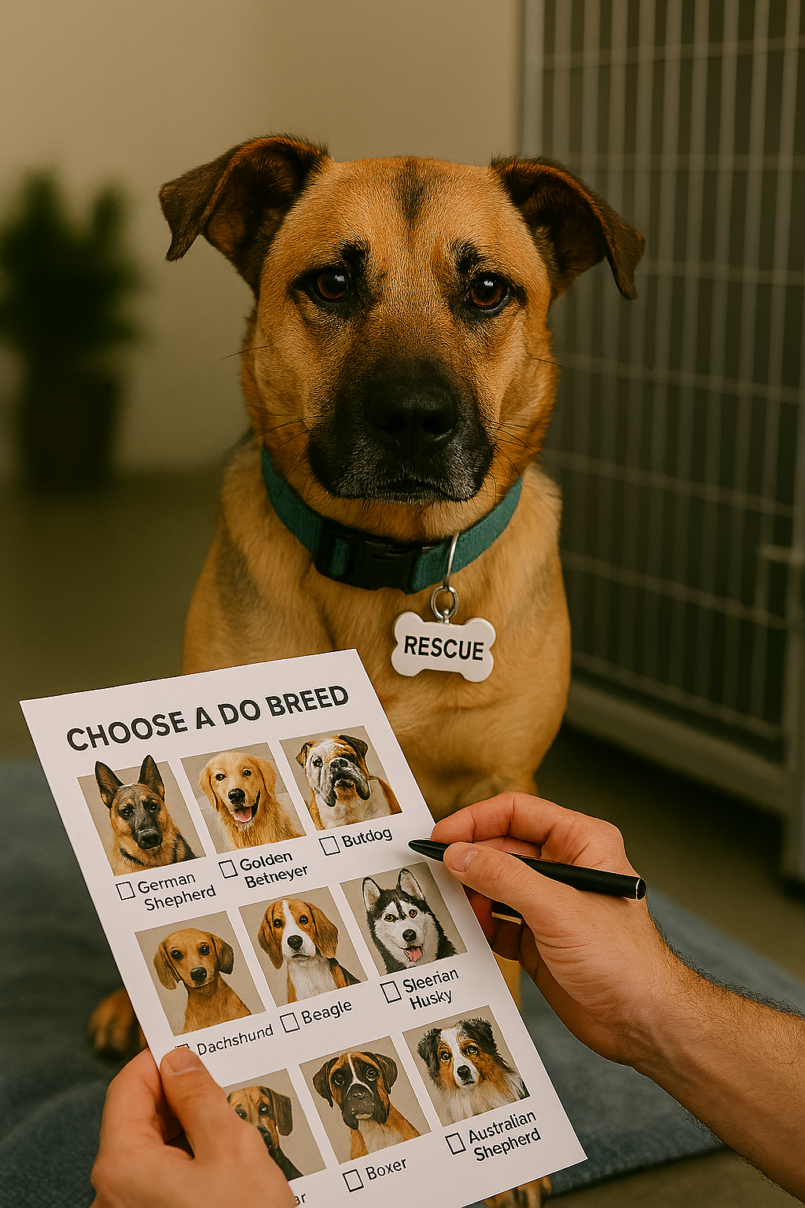
One of the most common rescue stories begins with a shy dog curled up in the back of a kennel, overwhelmed by noise and unfamiliar surroundings. Many adopters recall walking through rows of barking dogs only to notice the quiet one who avoided eye contact—and feeling an instant pull. Once home, these dogs often spend the first days hiding under tables or in corners, uncertain if this new place is truly safe. With time, routine, and gentle encouragement, their world slowly expands: first a wagging tail at mealtime, then tentative cuddles on the couch, then full‑blown zoomies in the yard. What started as a fearful shelter dog often becomes a devoted family member who follows their people from room to room, finally confident that they belong.
Second Chances for “Problem” Dogs
Some of the most powerful adoption stories involve dogs labeled as “difficult” or “unadoptable.” These might be dogs with separation anxiety, reactive behavior on leash, or a history of being returned multiple times. Adopters who take a chance on them usually do so with realistic expectations and a firm commitment to training and patience. The early months can be challenging—chewed furniture, sleepless nights, or embarrassing moments at the park—but steady routines and positive training often lead to remarkable progress. Over time, the dog who once panicked at every noise may learn to relax, and the one who barked at every stranger may develop a small circle of trusted friends. These stories highlight that many “problems” are really unaddressed needs, and with structure and care, troubled dogs can flourish.
Rescue Dogs Transforming Their Owners
Adoption stories are not just about saving dogs; they are also about how dogs save people. Many adopters describe bringing home a rescue during a tough time—after a breakup, a move, a loss, or a period of loneliness. The responsibility of caring for a dog creates structure: regular walks, feeding times, and vet visits become anchors in the day. The dog’s unconditional affection and steady presence can ease anxiety and provide comfort during moments when words fall short. In some cases, people find new communities through dog parks, training classes, or rescue volunteer groups, building friendships they never expected. The dog that needed a second chance often becomes the emotional support that helps their person rebuild, proving that rescue is a two‑way street.
Adopting Seniors and Special‑Needs Dogs
Senior and special‑needs dogs often wait the longest for homes, but those who adopt them frequently describe the experience as uniquely rewarding. Older dogs tend to come with established personalities and may already be house‑trained and calmer than puppies, making them a great fit for quieter households. While their time may be shorter, many adopters say that the depth of the bond feels especially strong, as if both dog and human understand the gift of each shared day. Special‑needs dogs—those with mobility issues, deafness, blindness, or chronic medical conditions—teach their owners creativity and compassion. Ramps, modified routines, or hand signals become part of daily life, and small milestones feel monumental. These stories remind us that love is not measured in years, but in the quality of the time spent together.
Advice: Preparing Before You Adopt
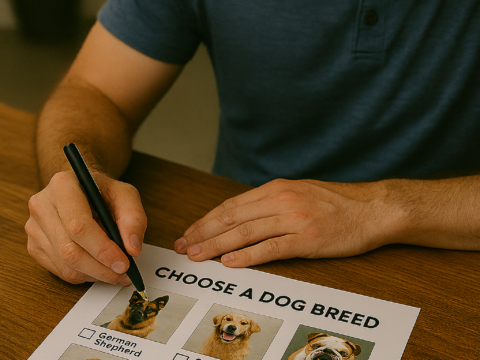
Behind every successful rescue story is preparation. Before visiting shelters or browsing rescue websites, it helps to think clearly about what kind of dog fits your lifestyle: energy level, size, grooming needs, and temperament. Make a realistic plan for daily care—who will walk the dog, handle feeding, and manage training sessions—so responsibilities don’t fall on one person unexpectedly. Dog‑proof your home by securing trash cans, removing toxic plants, and putting away small objects that could be swallowed. Gather essentials like a crate or bed, bowls, food, leash, collar with ID, and a few safe toys. Going into adoption with a plan doesn’t remove all surprises, but it makes you better equipped to handle them.
Advice: The First Days and Weeks at Home
The early days with a rescue dog are crucial and often set the tone for the relationship. It’s tempting to shower a new dog with constant attention, toys, and visitors, but a calmer approach usually works better. Stick to a simple routine: consistent feeding times, regular but not overwhelming walks, and plenty of quiet time to decompress. Give the dog a safe space—a crate or a quiet corner with a bed—where they can retreat if they feel stressed. Introduce house rules gently but consistently, such as where they are allowed to sleep and what furniture is off‑limits. Expect that your new companion might test boundaries or have accidents; patience and consistency will help them understand what is expected.
Advice: Training, Socialization, and Patience
Many rescue dogs come with unknown histories, which makes a kind, structured approach to training especially important. Positive reinforcement—rewarding desired behavior with treats, praise, or play—builds trust and encourages the dog to offer those behaviors more often. Group classes or sessions with a qualified trainer can help both you and your dog learn to communicate better, especially if you’re dealing with fear, reactivity, or anxiety. Socialization should be done at the dog’s pace, starting with low‑pressure experiences rather than busy dog parks or crowded events. Perhaps the most important advice is to embrace patience: progress is often uneven, with steps forward and occasional setbacks. Remember that your dog is learning a whole new world with you, and consistency over time usually leads to impressive changes.
Advice: When Things Don’t Go as Planned
Not every adoption story follows a perfectly smooth path, and it’s important to acknowledge that. Some dogs may struggle more than expected with behavioral issues, health problems, or compatibility with other pets in the home. In these cases, reaching out for professional help early can make a big difference—veterinarians, behaviorists, and experienced trainers can offer strategies and support. It’s also normal for adopters to feel overwhelmed or even doubt their decision in the beginning, especially during the adjustment period. Talking with the rescue organization, support groups, or other adopters can provide reassurance and practical tips. While returning a dog is a difficult decision, in some cases it may be the kindest choice for both dog and human; responsible rescues understand this and can help find a better match. Being honest about your limits is part of caring, not failing.
The Lasting Impact of Adoption
Every rescue dog that finds a home changes more than one life. The dog gains safety, comfort, and companionship, while the adopter gains a loyal friend and a deeper sense of purpose. These stories ripple outward: neighbors see what adoption can do, friends hear about the transformation, and some are inspired to foster, volunteer, or adopt themselves. Over time, individual acts of adoption help reduce overcrowding in shelters and support organizations that work tirelessly for animal welfare. When you choose to adopt a rescue dog, you’re not just filling your home with love—you’re becoming part of a larger story of compassion, second chances, and hope.