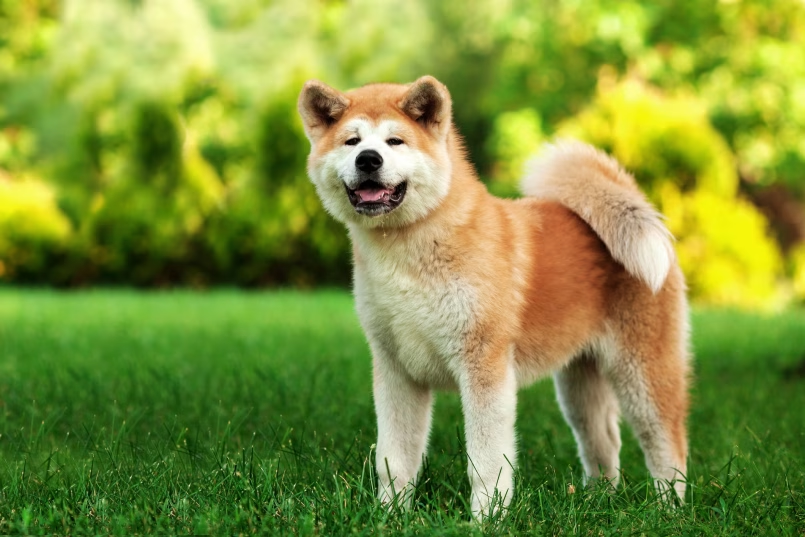
Owning a Japanese dog breed (like Shiba Inu, Akita, Japanese Chin, etc.) is rewarding, but they need thoughtful training, exercise, and health care tailored to their type.
Understanding Japanese dog breeds
Japanese breeds include small, fox‑like **Shiba Inu**, large and powerful **Akita Inu**, and companion breeds like the **Japanese Chin**, each with different energy levels and care needs. Many are intelligent, independent, and sometimes stubborn, so they do best with confident owners who use calm, consistent, positive training rather than harsh methods.
Daily exercise and mental needs
Shibas and Akitas are active, hunting‑type dogs that typically need at least 1–2 hours of daily exercise (walks, play, training games, and secure off‑leash time if safe). Japanese Chins are smaller and more fragile; they usually need gentler, shorter walks and indoor play, and they can overheat or struggle to breathe if pushed too hard. All Japanese breeds benefit from mental stimulation—training, puzzle toys, scent games, and learning new tricks—to prevent boredom and problem behaviors.
Training, socialization, and manners
Start socialization early: expose your dog to different people, dogs, sounds, and places so they become confident and stable adults. Shibas and Akitas can be independent or aloof with strangers and sometimes reactive with other dogs, so early, ongoing socialization and obedience classes are especially important. Focus on basic commands (sit, stay, come, leave it, loose‑leash walking) using rewards and clear rules; be patient, because some Japanese breeds will test boundaries and need consistent follow‑through.
Grooming and home care
Most Japanese spitz‑type breeds (Shiba, Akita) have thick double coats that shed year‑round and “blow” their coat heavily once or twice a year, so plan on weekly brushing and more frequent brushing during shedding seasons. Japanese Chins have longer, finer coats that still need regular brushing plus careful attention to ears, face folds, and eyes to keep them clean and healthy. All breeds need routine nail trimming, ear checks, and regular tooth brushing to prevent dental disease, which is particularly important in small breeds like the Japanese Chin.
Health, vet care, and environment
Common issues in Japanese breeds include allergies and skin problems (especially in Shibas), joint issues and weight gain (in Akitas), and breathing/dental issues (in Japanese Chins). Schedule regular vet visits, maintain a healthy weight with a quality diet, and watch for signs like itching, limping, snoring or breathing trouble, eye changes, or reduced energy. Provide a safe home setup—secure fencing, a comfortable resting area, no harsh heat or extreme cold for brachycephalic (short‑nosed) breeds like the Japanese Chin, and ID tags plus a microchip so your dog can be found if lost.