
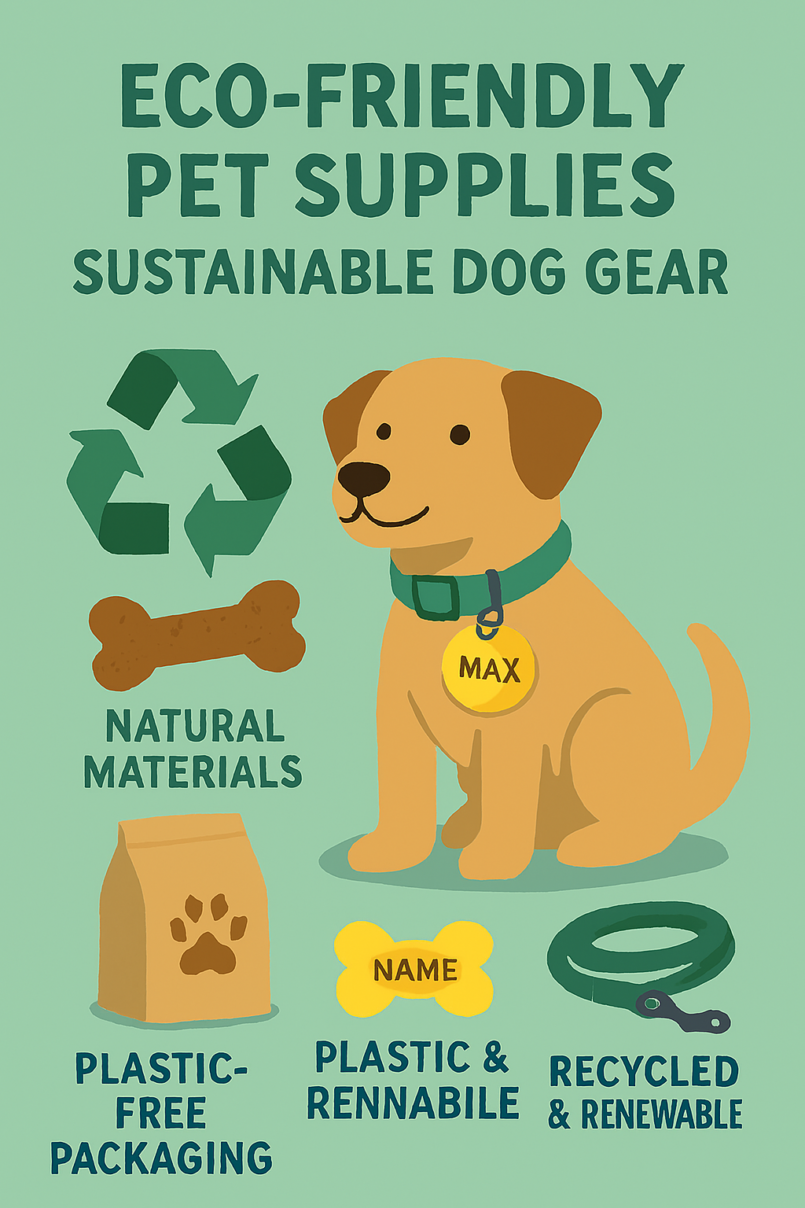
Eco‑Friendly Pet Supplies: Sustainable Dog Gear
As pet owners become more aware of their environmental impact, eco‑friendly pet supplies are gaining popularity. Sustainable dog gear focuses on using renewable, recycled, or biodegradable materials, reducing plastic waste, and supporting ethical production practices. From collars and leashes to toys and food bowls, there are many ways to make your dog’s routine greener without sacrificing quality or safety.
Why Choose Sustainable Dog Gear?
Traditional pet products often rely on plastic, synthetic dyes, and non‑renewable resources that contribute to pollution and landfill waste. Sustainable dog gear aims to reduce this footprint by using materials that are recycled, biodegradable, or responsibly sourced. These products are designed to last longer, be safer for pets, and have a smaller environmental impact from production to disposal.
Materials Used in Eco‑Friendly Dog Gear
Many eco‑friendly dog products are made from recycled fabrics, such as polyester derived from plastic bottles, which helps reduce plastic waste. Other common materials include organic cotton, hemp, bamboo, and natural rubber. These materials are renewable, biodegradable, and often require fewer resources to grow or produce.
Bamboo is especially popular for feeding bowls, beds, and toys because it grows quickly, requires minimal water, and is naturally antimicrobial. Hemp is durable and requires little pesticide use, making it ideal for collars, leashes, and harnesses. Natural rubber toys are safe for chewing and break down more easily than plastic alternatives.
Eco‑Friendly Collars, Leashes, and Harnesses
Collars, leashes, and harnesses made from recycled fabrics or hemp are both stylish and sustainable. These products are strong enough to handle daily walks and play while reducing reliance on virgin plastics. Many brands also use recycled metal hardware and eco‑friendly dyes to further minimise environmental impact.
Look for adjustable designs that fit your dog comfortably and securely. Sustainable collars often feature reflective stitching or accents for visibility during evening walks, combining safety with style. Some companies also offer personalisation options, such as engraved tags or embroidered names, to make the gear unique to your dog.
Sustainable Dog Toys
Dog toys made from natural rubber, hemp, or recycled materials are excellent eco‑friendly choices. Natural rubber toys are durable and biodegradable, making them safe for heavy chewers. Hemp toys are tough and can withstand rough play, while recycled‑material toys give new life to old plastics or fabrics.
Avoid toys made from cheap plastic that can break easily and contribute to microplastic pollution. Instead, choose toys that are designed to last and can be composted or recycled at the end of their life. Some brands even offer take‑back programs to recycle worn‑out toys responsibly.
Eco‑Friendly Feeding and Grooming Supplies
Stainless steel or bamboo feeding bowls are more sustainable than plastic alternatives. They are durable, non‑toxic, and recyclable, reducing the need for frequent replacements. Bamboo bowls are lightweight and biodegradable, while stainless steel bowls are easy to clean and long‑lasting.
Eco‑friendly grooming products include shampoos and conditioners made from plant‑based ingredients that are biodegradable and free of harsh chemicals. Brushes and combs made from recyclable plastics or natural materials help reduce waste. Biodegradable or compostable waste bags made from plant‑based materials are also available for cleaning up after your dog.
10 Frequently Asked Questions (FAQs)
1. Are eco‑friendly dog products safe for pets?
Yes—most eco‑friendly dog products are made from non‑toxic, natural, or recycled materials that are safe for pets. Always check labels for certifications and avoid products with harmful chemicals or synthetic dyes.
2. How do recycled materials help the environment?
Recycled materials reduce the need for new raw resources and keep waste out of landfills. Using recycled plastics or fabrics helps lower carbon emissions and conserves energy compared to producing new materials.
3. Are sustainable dog toys durable?
Many sustainable toys are designed to be durable and long‑lasting. Natural rubber, hemp, and recycled materials can withstand rough play, making them suitable for active dogs.
4. Can I compost eco‑friendly dog products?
Some eco‑friendly products, such as biodegradable waste bags or natural rubber toys, can be composted. Check the manufacturer’s instructions to ensure proper disposal.
5. Are sustainable dog products more expensive?
Sustainable products can sometimes cost more upfront, but they often last longer and reduce the need for frequent replacements. Over time, this can save money and reduce waste.
6. How do I know if a product is truly eco‑friendly?
Look for certifications, such as USDA‑certified biobased, OK compost, or recycled content labels. Research the brand’s sustainability practices and materials to ensure they align with eco‑friendly values.
7. Can I recycle dog toys and gear?
Some dog toys and gear can be recycled, especially those made from recyclable plastics or metals. Check local recycling guidelines and consider take‑back programs offered by some brands.
8. Are there eco‑friendly options for dog beds?
Yes—dog beds made from organic cotton, hemp, or recycled materials are available. These beds are comfortable, durable, and often filled with natural or recycled fillings like buckwheat hulls or coconut fiber.
9. How do eco‑friendly products benefit the planet?
Eco‑friendly products reduce plastic waste, lower carbon emissions, and support sustainable farming and manufacturing practices. They help protect wildlife and ecosystems from pollution and resource depletion.
10. Can I transition to eco‑friendly gear gradually?
Yes—you can start by replacing one or two items at a time, such as a collar or toy. Gradually switch to more sustainable options as your current gear wears out, making the transition easier and more affordable.
Building a Sustainable Dog Routine
Creating a sustainable routine for your dog involves choosing eco‑friendly products for everyday use and disposing of them responsibly. Start with essentials like collars, leashes, and toys, then expand to feeding bowls, grooming supplies, and waste bags. Support brands that prioritise sustainability, ethical sourcing, and transparency.
By making thoughtful choices, you can reduce your dog’s environmental impact while keeping them safe, healthy, and happy. Sustainable dog gear not only benefits the planet but also sets an example for responsible pet ownership and environmental stewardship.