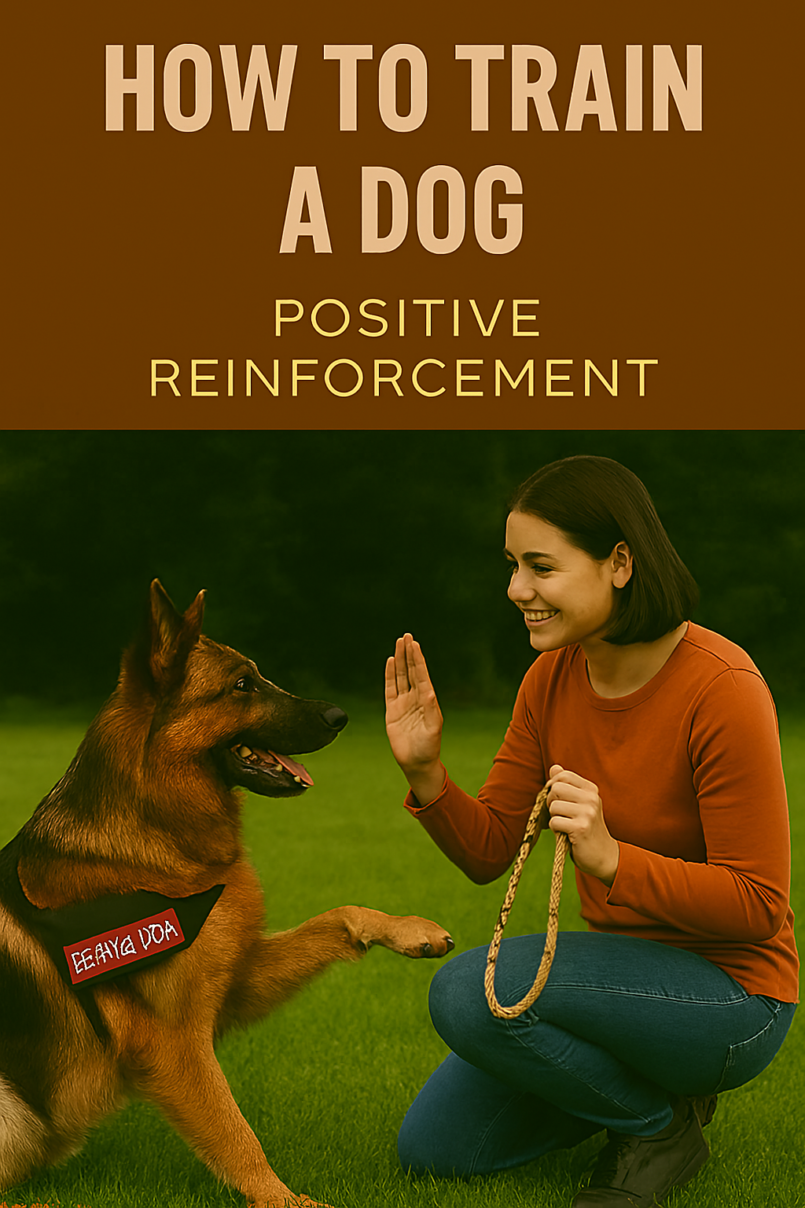
He jumps on guests, pulls on the leash, or ignores your calls—these common frustrations vanish with positive reinforcement training. This science-backed method rewards desired behaviors with treats, praise, or toys, making learning fun and building confidence without fear or punishment. Dogs repeat what works, quickly mastering commands while strengthening their bond with you through trust and clear communication.
Why Positive Reinforcement Works
Unlike punishment that suppresses behavior temporarily, positive reinforcement increases good actions proactively. He offers “sit” voluntarily because it pays off, not from avoiding corrections. Studies show these dogs generalize skills better, handle frustration constructively, and exhibit less stress. Learning accelerates—puppies grasp basics in days versus weeks. The joy factor keeps sessions engaging; he eagerly awaits “what’s next?” rather than dreading training time.
Tools You’ll Need
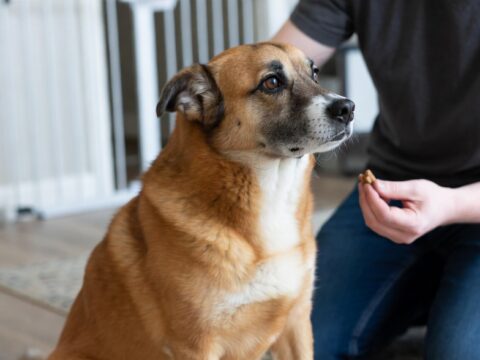
Start simple: a clicker ($5) or marker word (“Yes!” or “Good!”) precisely times rewards, bridging behavior to treat delivery. High-value rewards vary by dog—tiny soft treats (Zuke’s minis), cheese bits, boiled chicken for tough tasks; kibble or praise for easy ones. Sturdy treat pouch keeps hands free. 6-foot leash, comfortable flat collar or harness complete basics. Optional: target stick (spoon on dowel) guides positions.
Step 1: Charge the Marker
Condition he to associate click/yes with rewards. Sit quietly; click, treat immediately 20-30 times. Repeat 3-5 sessions daily until his ears perk at the sound alone—he anticipates payday. This Pavlovian pairing creates precise learning; dogs respond within 0.5 seconds of markers, capturing fleeting behaviors perfectly.
Step 2: Teach Foundation Behaviors
**Sit:** Hold treat above nose, move back so butt drops—click the instant haunches touch floor. Practice 10 reps, 4x daily. Add cue “sit” before luring; fade hand motion over days.
**Down:** From sit, lure treat to floor between paws—click elbows fold. For reluctant dogs, capture natural lies by waiting patiently.
**Stay:** Click brief pauses after sit/down; build duration 1 second → 30 by rewarding motionless moments. Release with happy “break!”
**Come:** Call enthusiastically from 5 feet, click/treat approach. Never call for negatives (baths); keep 100% rewarding.
Aim for 80% success before adding distractions.
Step 3: Add Duration, Distance, and Distractions
**Duration:** Stay → 1 minute with movement around him.
**Distance:** Recall from 20 feet; stay while you walk 10 paces away.
**Distractions:** Practice near toys, family eating, outside windows.
Proofing formula: 3 environments × 3 distances × 3 durations × 3 distraction levels = reliable cues. Variable rewards (treat sometimes, praise others) mimic slot machines, preventing performance drops.
Step 4: Fade Lures and Add Cues
Once fluent (90% first try), remove food hand signals. Pretend-lure with empty hand, reward from pouch. He connects verbal cue to action independently. Capture spontaneous behaviors—click natural sits, label after.
Chain behaviors: “sit-stay-come” sequences build complexity. Hand signals enhance verbal for deaf-prone seniors.
| Behavior | Lure Phase | Fade Phase | Proofed Phase |
|---|---|---|---|
| Sit | 3-5 days | 1 week | Ongoing |
| Down | 5-7 days | 10 days | Ongoing |
| Recall | 1-2 weeks | 2 weeks | Monthly refresh |
| Stay | 2 weeks | 3 weeks | Lifelong |
Step 5: Problem-Solving Common Issues
**Jumping:** Turn away silently; click/treat four-on-floor. Practice with friends.
**Pulling:** Stop motion until slack returns—reward forward steps at side.
**Barking:** Teach “quiet” by waiting silent moments → click. Management (visual barriers) prevents practice.
**Ignore Commands:** Return to foundations with higher rewards. Never repeat cues—wait or lure.
Increase value, decrease distance for regressions.
Training Session Best Practices
**Timing:** 3-15 minutes, 3-5x daily. End highs—he begs for more.
**Setup:** Quiet start; puppies before meals when hungry.
**Consistency:** Same cues, criteria across family. Random rewards post-fluency.
**Record:** Video awkward sessions; track progress journal.
**Breaks:** Play, potty between drills prevents frustration.
Advanced Skills: Shaping and Chains
**Shaping:** Reward approximations toward complex goals. “Spin”: click head turns → quarter circles → full rotations.
**Chains:** Link behaviors: sit-stay-down-walk around-return. Practice backward too.
**Tricks:** Wave, rollover, take bow build problem-solving. Agility foundations follow.
Proofing for Real Life
Test across “3D’s”: Distance (50 feet recall), Duration (5-minute stay), Distraction (park joggers).
**Environments:** Kitchen → backyard → park → store aisles.
**Handlers:** Family rotates cues.
**Speeds:** Fast recalls, slow heels.
80% success threshold advances phases.
Breed and Age Considerations
Puppies (8-16 weeks): Short sessions, socialization focus. Adults: Refresh rusty skills. Seniors: Low-impact (settle, tricks). High-drive (herders): Jobs prevent boredom. Stubborn (bulldogs): Ultra-high rewards.
Patience adapts methods—success universal.
Common Mistakes and Fixes
**Lure Addiction:** Fade hands early; variable schedules.
**Cue Confusion:** One word per behavior; clear timing.
**Overfacing:** Backtrack 2 steps on regressions.
**Punishment Mix:** Stays positive—redirects only.
**Inconsistency:** Family training sessions align.
Progress stalls signal technique review.
Long-Term Success Strategies
**Maintenance:** 5-minute daily refreshers, random rewards.
**Life Changes:** Retrain babies, moves, health shifts.
**Professional Help:** Local trainers accelerate plateaus.
**Competitions:** Rally, agility maintain skills.
Positive reinforcement creates thinking dogs—he offers behaviors proactively, thriving on partnership. Consistent joy yields lifelong results.