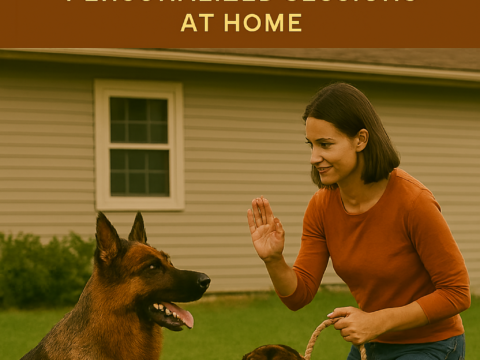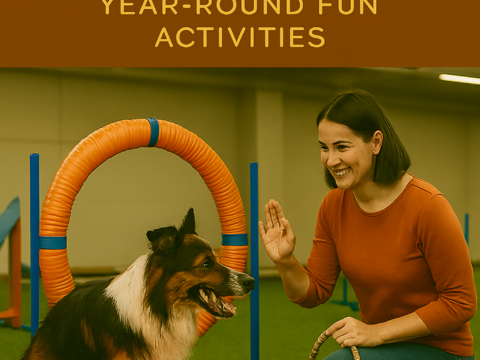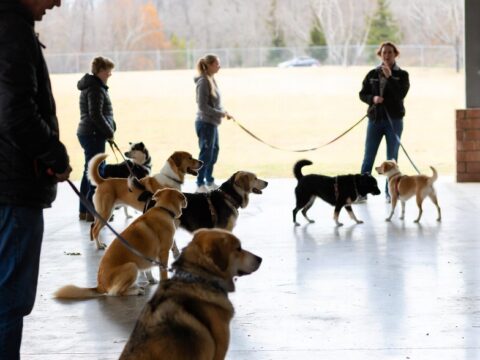
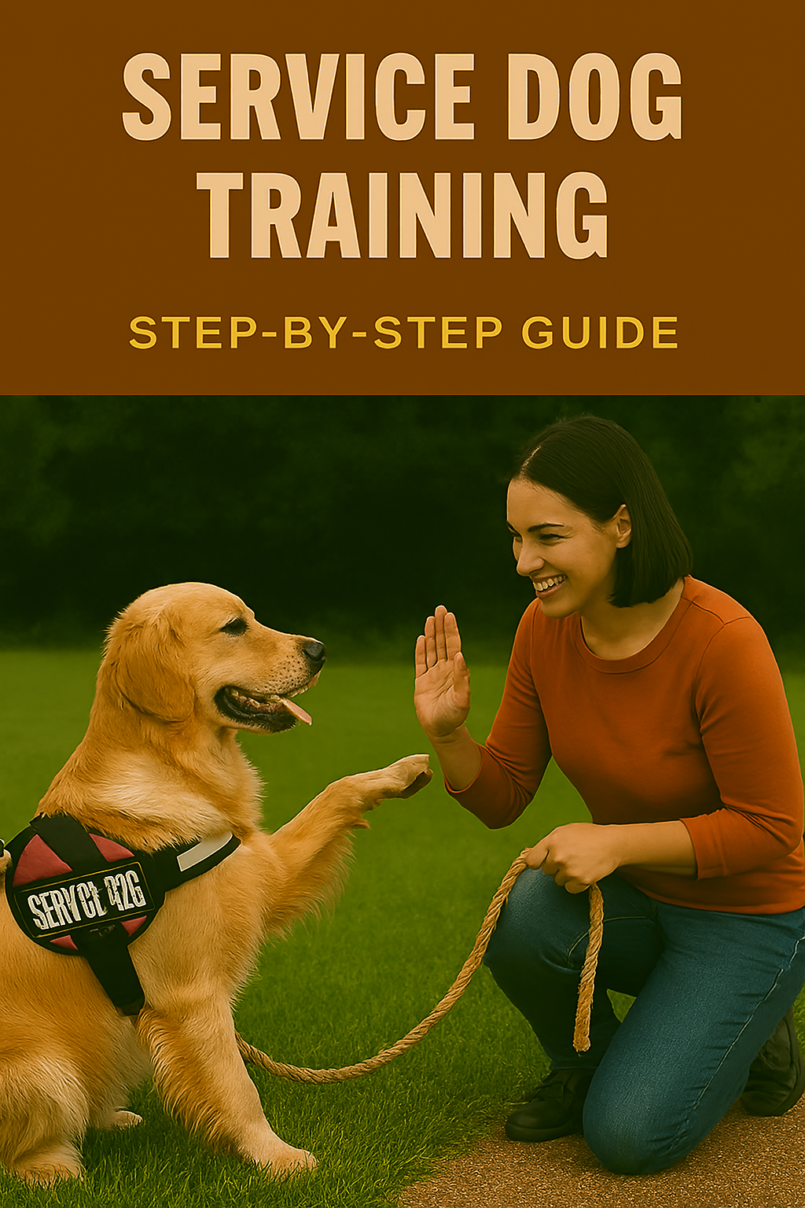
He shows steady focus and gentle confidence—perfect traits for service dog potential. Training a service dog transforms a capable pet into a life-changing partner through systematic steps that build reliability, tasks, and public access skills. This guide outlines the progressive phases from puppy foundations to working team, using positive reinforcement for tasks that directly mitigate disabilities.
Step 1: Candidate Selection and Temperament Testing
Choose he at 8-18 months for maturity assessment. Ideal candidates weigh 40-80 lbs for mobility work, with stable genetics (OFA health clearances). Test temperament across 30 days:
– Sound sensitivity: vacuums, thunder recordings—calm reactions.
– Social exposure: 100 strangers, 20 dogs, varied surfaces.
– Trainability: food/toy motivated, handler-focused.
– Neurological stability: no compulsive behaviors.
Labs, Goldens, Poodles lead, but rescues succeed too. Failure rate 50-70%—washouts become pets. Veterinary clearance confirms physical suitability.
Step 2: Marker Training and Foundation Behaviors
Week 1-4: Condition clicker or “yes!” as reward predictor. Charge marker: click-treat 20x daily, no commands.
**Core Skills (teach sequentially):**
– **Name Response:** Call once, reward eye contact.
– **Sit/Down/Stand:** Lure positions, fade hands.
– **Touch:** Nose to hand target.
– **Leave It:** Ignore treats on floor.
– **Tether/Place:** Settle on mat 30+ minutes.
Practice 5-minute sessions 4x daily. 80% fluency across 3 environments before advancing. Total: 50 hours.
Step 3: Impulse Control and Reliability Proofing
Months 2-4: Build duration/distractions.
**Duration:** Sit-stay 5 minutes, down-stay 10 minutes.
**Distance:** 20 feet recalls, stays.
**Distractions:** Food drop indifference, stranger approaches.
**Advanced Foundations:**
– Emergency U-turns (about-face heel).
– Backing up in tight spaces.
– Pivot left/right (wheelchair navigation).
Random 30% treats prevent cue prediction. Practice evenings mimic fatigue. 100+ hours total.
Step 4: Task-Specific Training
Months 4-8: Teach disability-mitigating behaviors. Break into micro-chains:
**Mobility Tasks:**
1. Retrieve dropped phone: target → nose → mouth → release.
2. Light switch: nose nudge → paw press.
3. Door open/close: latch manipulation.
**Medical Alert Tasks:**
1. Glucose detection: scent samples → alert (paw/sit).
2. Seizure response: stand guard → deep pressure.
**Psychiatric Tasks:**
1. Interrupt dissociation: nose nudge → block position.
2. Medication retrieval: cabinet open → pill bottle.
Shape via successive approximations—reward first motion, refine precision. Real equipment mandatory. Document 50+ hours per primary task.
Step 5: Public Access Proficiency
Months 6-12: 100+ hours controlled public work.
**Progression:**
1. Quiet stores (Home Depot aisles)—15 minutes.
2. Moderate traffic (pet stores)—30 minutes.
3. High distraction (malls, restaurants)—1+ hour.
**Test Criteria:**
– Ignores dropped food 100%.
– Calm elevator/crowds—no solicitation.
– Settled position 60 minutes.
– Handler-initiated greetings only.
– Perfect housebreaking.
Video document outings. IAADP public access test validates.
| Phase | Duration | Key Milestones | Hours |
|---|---|---|---|
| Foundation | 1-4 weeks | Marker fluency | 50 |
| Obedience | 2-4 months | Proofed basics | 150 |
| Tasks | 4-8 months | 2+ reliable tasks | 100 |
| Public | 6-12 months | Access test pass | 100+ |
Step 6: Handler Skill Development
Parallel training: you master cue timing, body language reading, stress signals.
**Handler Checklist:**
– Precise marker timing (within 0.5 seconds).
– Fade treats to 20% variable schedule.
– Emergency management (leash corrections).
– Task prompting consistency.
Role reversal: he guides you practicing verbal precision. Family cross-trains for backup handling.
Step 7: Team Certification (Voluntary)
No legal requirement, but tests validate:
**IAADP Public Access Test:** 40 behaviors, pass/fail.
**ADI Team Evaluation:** 120-hour minimum.
**Private PATs:** Documentation for disputes ($200).
Nevada honors ADA—no state registration needed. Vest/ID optional but recommended.
Daily Training Schedule
**15 minutes 3x daily:** Rotate skills (obedience 40%, tasks 40%, manners 20%).
**Weekly:** 2-hour public outing.
**Monthly:** Full PAT practice run.
Consistency trumps intensity—random timing prevents anticipation.
Troubleshooting Common Plateaus
**Task Regression:** Return to foundation lures, rebuild chains.
**Public Overstimulation:** Shorten outings, high-value jackpots.
**Handler Errors:** Video review sessions; trainer feedback.
**Burnout:** Play breaks, rotate secondary tasks.
Progress logs track trends; adjust proactively.
Equipment and Resources
**Essentials:** 6-ft leather leash, martingale collar, treat pouch, clicker.
**Task Gear:** Medication box, light switch board, scent kits.
**Training Aids:** Freedom harness, long lines, settle mat.
**Organizations:**
– Assistance Dogs International (ADI)
– International Guide Dog Federation
– Local service dog trainer apprenticeships
**Books:** “Teamwork from Start to Finish” (McCann), service task manuals.
Legal Rights and Responsibilities
ADA permits access anywhere handler goes (no zoos, sterile areas). Two-question limit only. Control required always—growling disqualifies.
Housing/airline rules broader. Carry task list for disputes. Liability insurance ($150/year) protects.
Maintenance for Working Life
Lifelong 10-minute daily refreshers. Annual PAT retest. Retrain life changes (moves, health shifts). Retire gracefully at 8-10 years.
Service dog training forges extraordinary partnerships—systematic steps yield dogs who transform independence. He works purposefully; handler thrives confidently. Patience builds miracles.