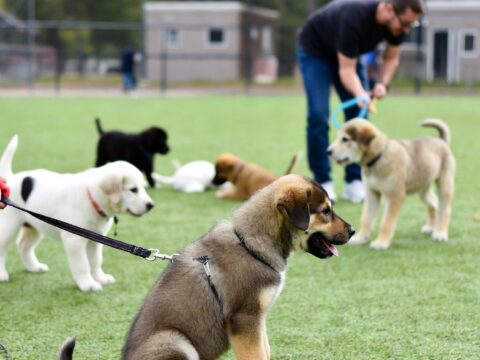
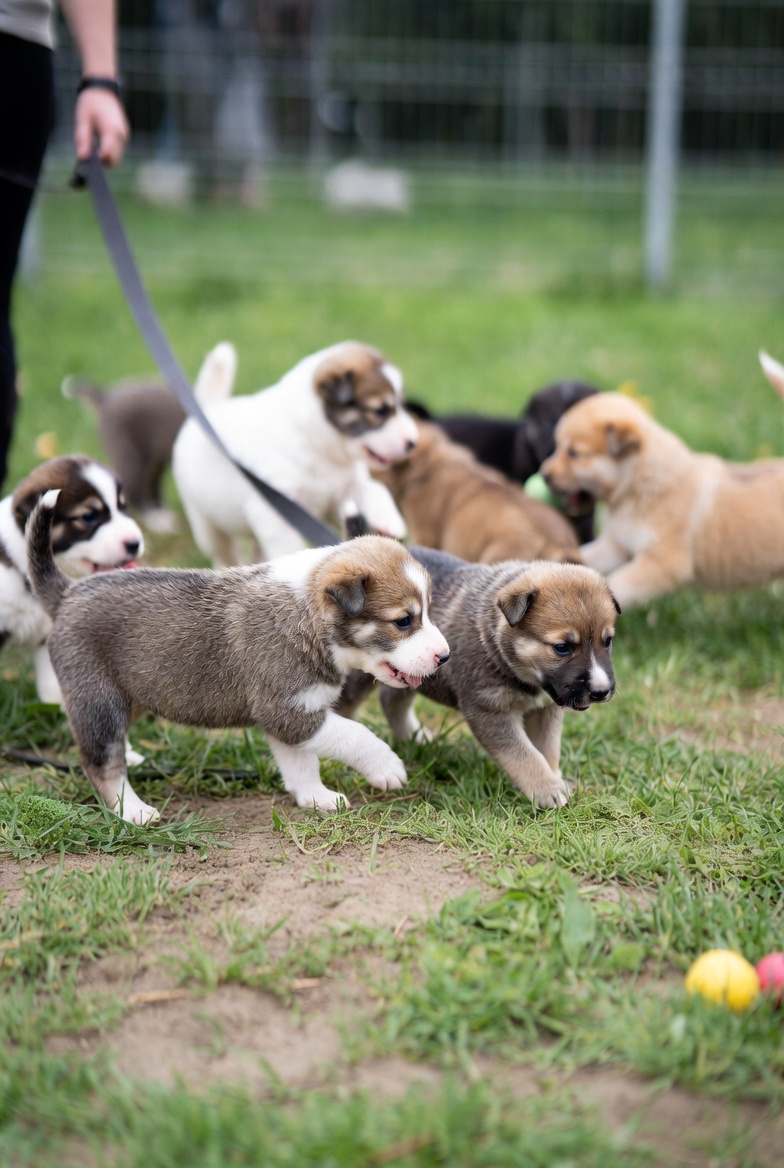
Puppy playgroups give young dogs a safe way to burn energy, practise social skills, and learn that other dogs and people are fun, not scary. When they’re thoughtfully run—with supervision, rules, and good matching—playgroups become a powerful tool for social development instead of chaos. They help puppies learn bite inhibition, dog‑to‑dog communication, and how to calm down after excitement. For many owners, they’re also a welcome break from “puppy zoomies” at home.
What Makes a Playgroup Safe?
Safe playgroups have clear health and behavior requirements: puppies must be appropriately vaccinated for their age and free of illness before joining. Programs usually limit groups to young, puppy‑appropriate dogs and may set an upper age (for example, under five months) so play styles stay compatible. Good facilities screen dogs for social comfort and exclude those that are reactive or aggressive to people or dogs, since group play is not suitable for every temperament. Staff maintain rules like no food or treats loose in the play area and often avoid toys that could trigger guarding, which reduces the risk of conflict.
Key Safety Rules and Etiquette
Typical puppy playgroups follow basic ground rules to protect everyone. Owners are usually asked not to grab other people’s puppies, to ignore jumping, and to let trained staff manage and guide the play. Facilities often require behavior assessments, leash rules at entry and exit, and specific collar policies (for example, no prong or choke collars, sometimes no collars in the yard) to avoid tangling and injuries. Sick puppies, or those showing coughing, vomiting, diarrhea, or lethargy, are asked to stay home to protect the whole group. Many places also limit children or set minimum ages for kids inside dog areas to reduce the chance of accidental knocks or scares.
How Playgroups Support Social Development
Well‑managed playgroups let puppies practise normal dog communication: they learn to read and respond to signals like play bows, pauses, and “enough” body language. With supervision, shy puppies can gain confidence by meeting gentle partners, while bolder pups learn to tone down pushy behavior when rough play is interrupted. Structured breaks and time‑outs teach puppies how to come down from high arousal, which is crucial for preventing future over‑stimulation and scuffles. Over time, this experience builds a more socially fluent, resilient adult dog who is comfortable around a range of canine personalities.
Finding and Evaluating Local Puppy Playgroups
To locate puppy playgroups near you, look for training centers, daycares, or indoor dog parks in your area that specifically advertise “puppy socialization” or “puppy playgroup” sessions. When you contact them, ask about age limits, vaccination requirements, how dogs are grouped (by size, age, play style), and how staff intervene if play gets too rough. It’s reasonable to request a chance to watch a session before joining; you should see attentive staff, frequent redirection or breaks, and dogs that, on the whole, look loose‑bodied and happy rather than tense or bullied. Prioritizing places that emphasize supervised, size‑appropriate groups and calm, well‑run entry/exit procedures will help ensure your puppy’s playtime is both fun and safe.