Bad breath in dogs, called halitosis, is very common and usually means there is a problem in the mouth, stomach, or with internal organs. While a little “doggy breath” can be normal, a strong, foul odor is often a sign that your dog needs a checkup and possibly treatment.
Most Common Cause: Dental Disease
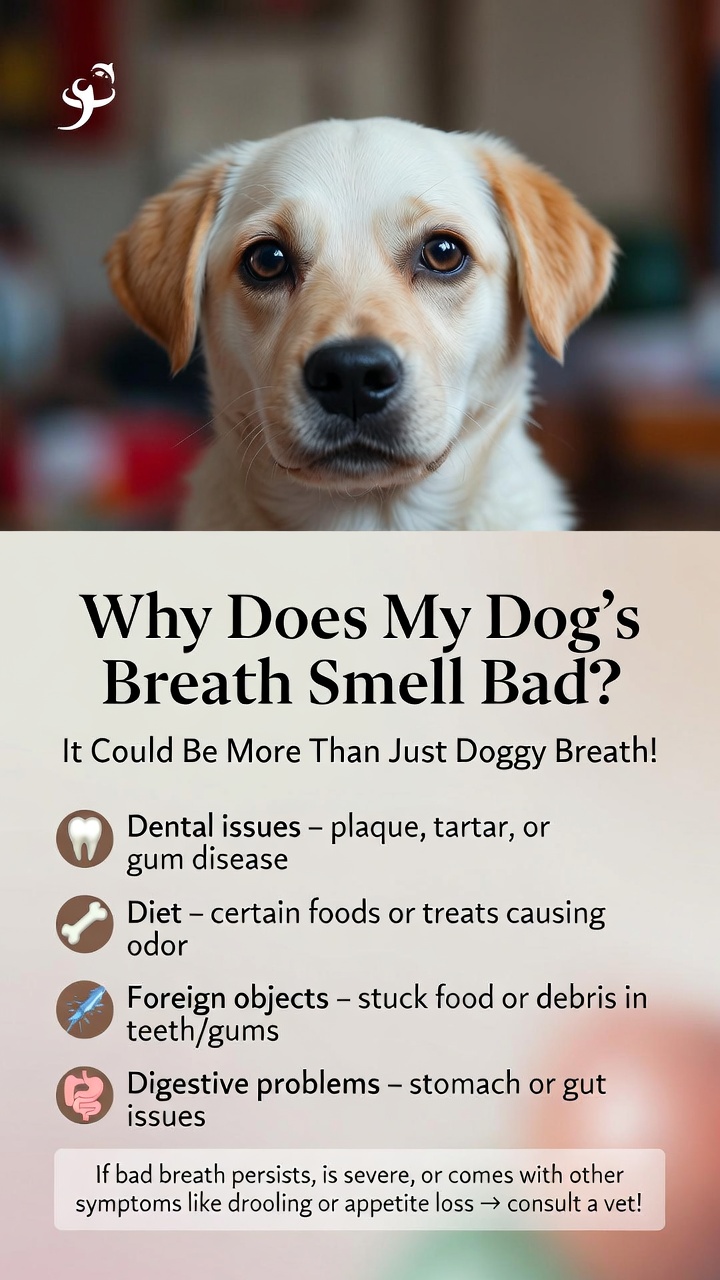
The number one cause of bad breath in dogs is dental or gum disease, such as plaque and tartar buildup, gingivitis, or periodontal disease. Bacteria thrive on dirty teeth and under the gums, creating infection and a rotten smell over time. Without regular dental care, this can progress to painful tooth decay, abscesses, and even tooth loss.
Diet, Garbage, and Gross Snacks
What your dog eats can dramatically affect how their breath smells. Dogs that raid the trash, eat feces (coprophagia), or chew on spoiled or dead animals often have especially foul, putrid breath. Even some high-protein or very smelly diets can worsen odor, particularly if food particles remain stuck around the teeth and gums.
Underlying Health Problems
Sometimes bad breath points to deeper medical issues beyond the mouth, such as kidney disease, liver disease, or diabetes. Kidney problems can make a dog’s breath smell like urine or ammonia, while liver disease may cause very foul odor along with vomiting or yellow-tinged gums. Uncontrolled diabetes can cause a sweet or fruity, acetone-like smell on the breath because of ketones in the body.
Oral Infections and Tumors
Injuries, foreign objects stuck in the mouth, or severe gum disease can cause oral infections that make breath smell especially bad. Older dogs may develop oral tumors, which can become infected or necrotic (tissue dying), creating persistent, very strong odor even with good home dental care. These issues usually require professional examination and treatment as soon as possible.
Why Fresh Breath Matters for Health
Bad breath is more than a cosmetic problem; it often signals pain, infection, and chronic inflammation. Bacteria from dental disease can enter the bloodstream and may affect the heart, kidneys, and liver over time. Addressing the cause early helps protect both your dog’s mouth and their overall health.
Home Care to Improve Bad Breath
Daily or regular tooth brushing with dog-safe toothpaste is one of the best ways to reduce plaque, tartar, and odor. Dental chews, special dental diets, and water additives can help, but they work best as supplements, not replacements, for cleaning. Avoid using human toothpaste or mouthwash, as many ingredients are unsafe for dogs if swallowed.
When Your Dog Needs a Vet Visit
Your dog should see a vet if their breath suddenly worsens, is extremely foul, or does not improve with home dental care. Other red flags include drooling, difficulty eating, pawing at the mouth, loose or broken teeth, bleeding gums, weight loss, or changes in drinking and urination. Your veterinarian may recommend a professional dental cleaning, bloodwork, or further tests to find the exact cause.
Preventing Bad Breath Long Term
Prevention relies on regular dental checkups, professional cleanings as needed, and consistent home dental care. Feeding a complete, balanced diet and keeping your dog away from garbage, cat litter boxes, and other “gross snacks” also helps keep their mouth healthier. Routine vet visits allow early detection of dental disease and systemic illnesses that contribute to bad breath.
10 Frequently Asked Questions About Bad Dog Breath
1. Is bad breath in dogs normal?
Mild doggy breath can be normal, but strong, persistent bad breath is usually not and often indicates dental disease or other health problems. If the odor changes or gets worse, it is a sign to schedule a vet visit rather than ignore it.
2. What is the most common cause of bad breath?
The most common cause is dental and gum disease, including plaque and tartar buildup, gingivitis, and periodontal disease. These conditions allow bacteria and food debris to accumulate, producing a foul, rotten smell over time.
3. Why does my dog’s breath smell like poop?
Breath that smells like feces may mean your dog has been eating poop or garbage, or it can signal kidney disease or severe dental infection. Because some of these causes are serious, it is safest to talk to your vet if the odor is strong or persistent.
4. What if my dog’s breath smells sweet or fruity?
A sweet, fruity, or acetone-like odor on the breath can be a warning sign of diabetes, especially if it is combined with weight loss and increased thirst and urination. This situation should be treated as urgent and checked by a veterinarian quickly.
5. Can kidney or liver disease cause bad breath?
Yes, kidney disease can cause breath that smells like urine or ammonia due to a buildup of waste products in the blood. Liver disease can create very foul breath and is often accompanied by vomiting, diarrhea, or yellow gums and eyes.
6. Will brushing my dog’s teeth really help?
Regular brushing with a dog-safe toothpaste reduces plaque and bacteria, which are major sources of bad breath. Over time, consistent brushing can slow dental disease and make professional cleanings needed less often.
7. Are dental chews and treats enough to fix bad breath?
Dental chews and treats can help reduce plaque and freshen breath, but they are not enough on their own for significant dental disease. If your dog already has heavy tartar, gum disease, or very bad breath, a professional cleaning and vet treatment are usually required first.
8. When is bad breath an emergency?
Bad breath is an emergency if it appears suddenly with severe drooling, difficulty breathing, swelling around the face, or inability to eat or drink. Strong odor with vomiting, extreme lethargy, or signs of kidney or liver failure also requires immediate veterinary care.
9. My older dog’s breath is getting worse—should I worry?
Older dogs are more prone to dental disease, oral tumors, and systemic illnesses that all can worsen breath. Any change in breath odor in a senior dog deserves a veterinary exam to rule out serious but treatable problems.
10. How can I prevent bad breath in the future?
Prevent bad breath by combining regular tooth brushing, dental checkups, and professional cleanings with a balanced diet and safe chewing options. Keeping your dog away from trash, feces, and harmful objects and seeing your vet at least once a year helps catch issues early and keep their breath fresher.