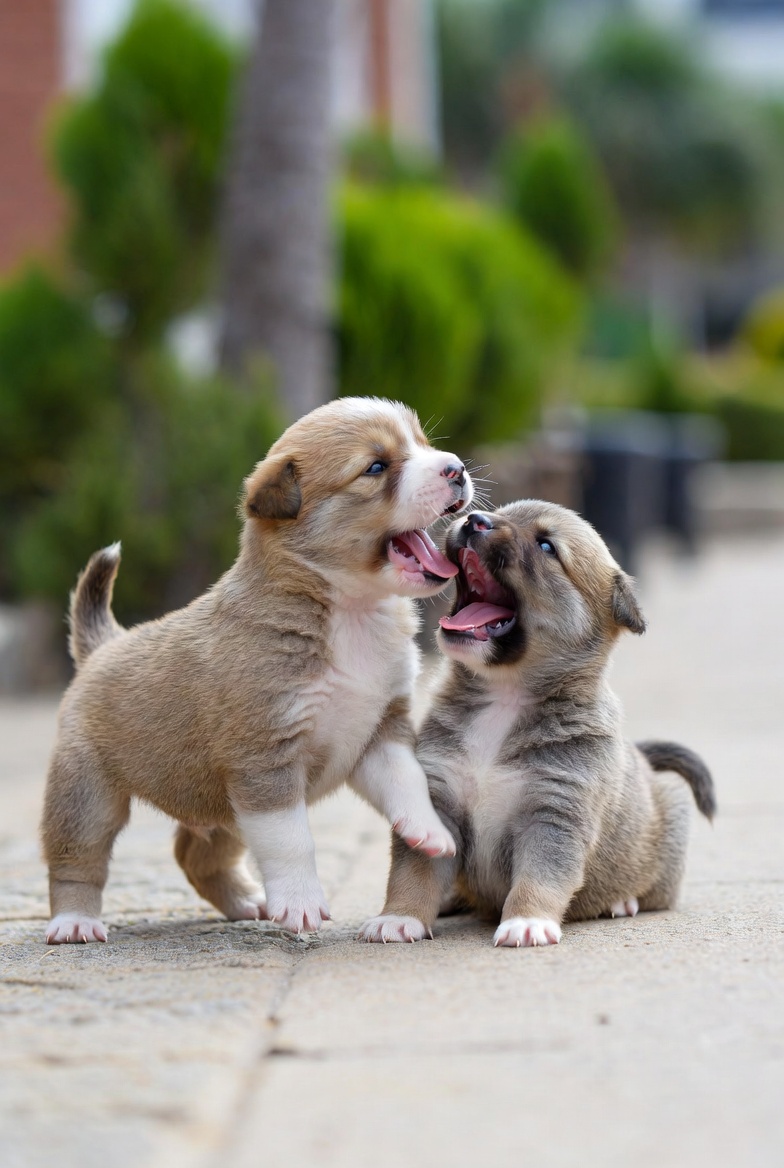
Puppies that pee when excited or submissive are not being “bad”; they’re usually overwhelmed, nervous, or simply too young to control their bladder well.
Excited Pee vs. Submissive Urination
Excitement urination happens when a puppy is very happy or stimulated, often during greetings or play, and they usually stay standing or moving around while they pee. Submissive urination is tied to fear or stress: the puppy may crouch, tuck their tail, flatten their ears, avoid eye contact, or even roll onto their back as they leak urine. Both are involuntary; your puppy is not choosing to do it and often looks confused afterward. These issues are most common in puppies and young dogs and often improve with age, confidence building, and calm handling.
Why Puppies Do This
Submissive urination is an instinctive response to feeling threatened or unsure, and it can be triggered by looming over the puppy, loud voices, scolding, or intense eye contact. Some puppies have traumatic or overly sheltered early experiences that leave them anxious and lacking confidence, which makes this behavior more likely. Excitement urination is more about high arousal—big greetings, energetic play, or someone coming home can cause a puppy to lose bladder control in the moment. In both cases, accidental reinforcement (lots of attention when they pee, even negative attention) and incomplete house‑training can keep the problem going.
First Step: Rule Out Medical Causes
Before assuming the peeing is purely behavioral, talk to your vet to rule out urinary tract infections, urinary incontinence, or other bladder problems. Medical issues can make a puppy leak urine without realizing it or make it impossible to “hold it” appropriately. If your puppy is older than a year and still has frequent accidents, or you see blood, pain, or big changes in drinking and peeing, a veterinary check is especially important.
How to Respond in the Moment
When your puppy pees from excitement or submission, stay calm and neutral—no yelling, scolding, or dramatic reactions. Simply step away, take a breath, and clean up quietly once your puppy has moved on. Punishment or angry body language increases fear and tension, which can make submissive urination worse and slow progress. Try to interrupt early signs (like intense wiggling or cowering) by calmly turning sideways, softening your voice, and lowering the intensity of the interaction before the pee happens.
Making Greetings Low‑Key
Since many “excited pee” incidents happen at the door, change how you greet your puppy. When you come home, ignore them for the first minute—no talking, no touching, no eye contact—until they’re calmer, then quietly call them over for a gentle hello. Ask visitors to do the same: come in, sit down, and let the puppy approach at their own pace instead of bending over them, reaching down, or squealing. You can also take your puppy outside or to an easy‑to‑clean area for planned greetings while you’re working through this stage.
Body Language and Handling Changes
For submissive puppies, your body language matters a lot. Approach from the side rather than head‑on, crouch down or sit instead of looming, and keep your voice soft and friendly. Avoid staring directly into their eyes, grabbing their collar suddenly, or reaching over their head, as these can be read as threatening. If you need to correct behavior, use gentle redirection, management, and reward‑based training rather than harsh scolding or physical punishment. Consistently predictable, kind handling helps your puppy feel safer and reduces the need for submissive signals like peeing.
Building Confidence Through Training
Confidence‑building is one of the best long‑term solutions. Use positive reinforcement training—short, fun sessions where your puppy earns treats or play for simple tasks like sit, touch a hand target, or come when called. Set up easy wins so your puppy succeeds often, which teaches them that interacting with people leads to good outcomes, not fear. Gradual, controlled socialization to new people, sounds, and environments also helps them feel more secure and less overwhelmed by normal life. As your puppy’s confidence grows, submissive urination usually becomes less frequent and may disappear entirely.
House‑Training Support and Management
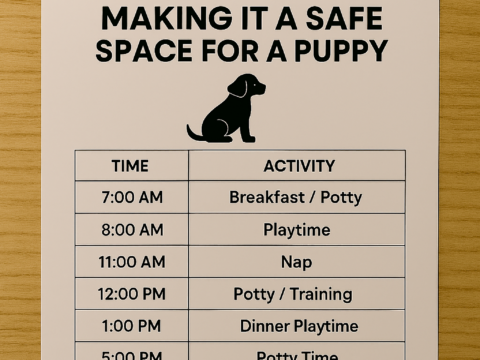
Good house‑training habits can reduce the impact of excited or submissive peeing. Offer frequent potty breaks, especially before guests arrive or you start an exciting activity, so your puppy’s bladder is as empty as possible. Keep a consistent schedule for feeding, water, and outdoor trips so your puppy learns when and where to go. If accidents happen in the same spots, clean them thoroughly with an enzymatic cleaner to remove odor cues that might encourage repeat peeing. Remember that submissive or excited urination is separate from normal house‑training mistakes, so avoid treating these puddles as “bad behavior.”
When to Seek Professional Help
If your puppy’s urination is frequent, severe, or not improving as they mature, consider working with a qualified trainer or behavior professional who uses positive methods. A specialist can observe your puppy’s body language, identify specific triggers, and create a step‑by‑step plan tailored to your home and routine. Combine this with veterinary input if there is any doubt about medical causes, especially in older dogs or those with other symptoms. With patience, gentle handling, and the right support, most puppies outgrow excited and submissive peeing and learn to greet people with dry, confident enthusiasm instead of little puddles on the floor.