
Puppy classes give young dogs a safe, structured way to learn about the world, practice basic skills, and build confidence that lasts a lifetime.
Why Puppy Classes Matter
Puppyhood is a critical development window when young dogs are especially open to new experiences and more likely to accept them as normal parts of life. Classes provide controlled exposure to people, dogs, sounds, and environments so puppies learn that the world is safe and predictable, not scary. Research shows that puppies who attend classes are less likely to be nervous or anxious in new situations and tend to cope better with everyday challenges as adults. Owners who go to class also tend to use more reward‑based methods, which strengthens the bond and reduces fear‑based behavior.
Socialization in a Controlled Setting
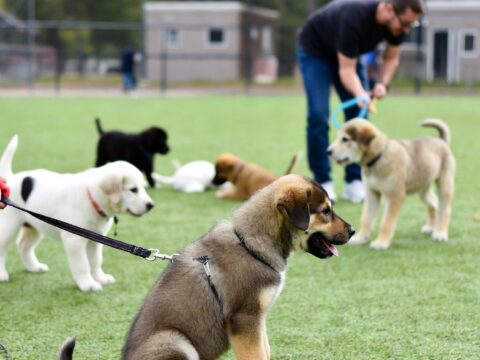
Good puppy classes are designed around thoughtful socialization, not chaotic “free‑for‑all” play. Puppies meet a variety of people and dogs and experience different surfaces, noises, and setups at a pace that helps them stay curious rather than overwhelmed. This controlled exposure reduces the risk of future fear, reactivity, and anxiety because the puppy practices staying calm and recovering from mild surprises. Many programs also teach puppies that they can relax near other dogs without always playing, which helps prevent frustration and over‑arousal later in life.
Basic Skills Taught in Puppy Classes
Most beginner classes focus on foundation skills that make daily life easier: name recognition, attention to the handler, sit, down, and coming when called. Puppies also practice walking on a loose leash, starting impulse control exercises like waiting at doors or for food, and settling on a mat. Many programs include handling and grooming practice—touching paws, ears, mouth, and collar—so vet visits and nail trims are less stressful later. Training is usually built around short, fun games that use food or play as rewards, helping puppies enjoy working with people.
Benefits for Owners
Puppy classes don’t just teach dogs; they coach owners on timing, body language, and effective reward‑based techniques. Studies have found that owners who attend classes are more likely to reward good behavior, redirect mistakes, and avoid harsh punishment, which in turn leads to less fearful behavior in their dogs. Instructors can answer questions about common issues like biting, jumping, housetraining, and crate training before they turn into big problems. Classes also connect you with other puppy owners, giving you a support network and shared experience during the demanding early months.
Choosing the Right Puppy Class
Look for programs that limit class size, require age‑appropriate vaccines, and focus on positive reinforcement rather than intimidation or physical corrections. A good instructor will monitor puppy body language, separate nervous dogs from rough play, and adjust the environment so each puppy works at a comfortable level. The curriculum should emphasize socialization, confidence building, and real‑life skills, not just obedience “tricks.” When you find a class that meets these standards and starts early in your puppy’s socialization period, you’re investing in a calmer, more confident dog and a stronger lifelong partnership.