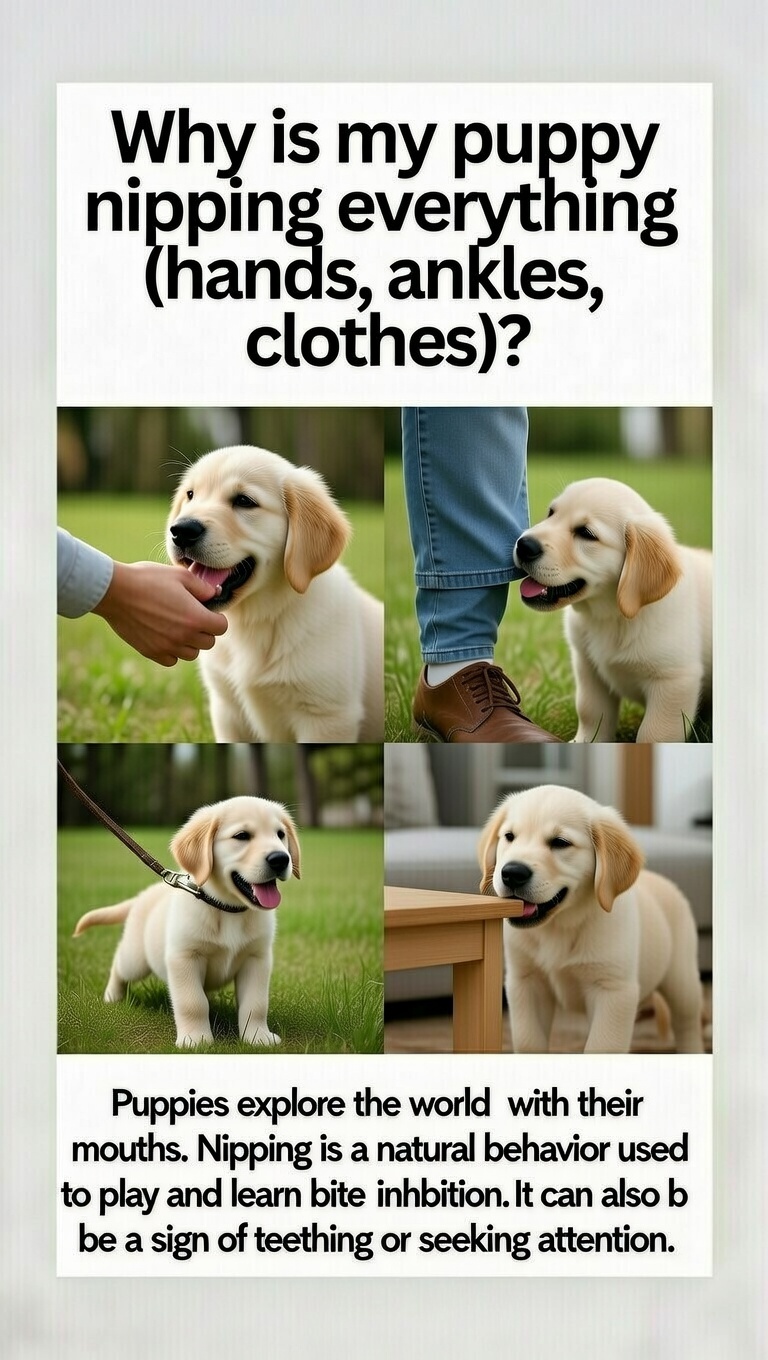
Puppy nipping at hands, ankles, and clothes is usually normal, age‑appropriate behavior, not “meanness” or dominance. Puppies explore the world with their mouths, play with their littermates by biting, and often nip more when they’re teething, overtired, overexcited, or frustrated.
That said, constant “landshark” behavior can be painful and stressful at home. Understanding why your puppy is nipping helps you respond calmly, redirect them to appropriate outlets, and teach gentler manners over time. Most puppies grow out of intense nipping with consistent training, enough sleep, and the right chew options.
Common Reasons Puppies Nip Hands, Ankles, and Clothes
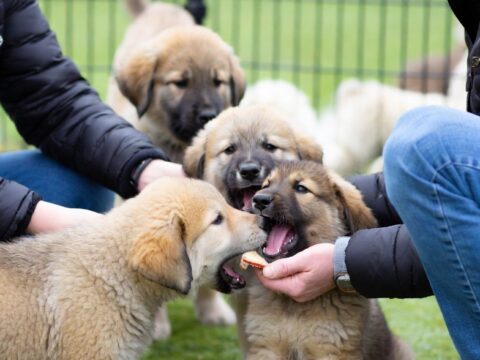
One of the biggest reasons is normal play: when puppies play with each other, they chase, wrestle, and bite, and they instinctively try to play with people in the same way. Movement, squealing, and flapping clothing can trigger chase instincts, so walking past, waving your hands, or wearing loose pants often invites nipping at ankles and hems.
Teething also increases mouthiness. As adult teeth come in around 12–16 weeks, gums can ache, and chewing (including on you) soothes the discomfort. Over‑tired, over‑excited, or frustrated puppies commonly ramp up nipping, much like a cranky toddler having a meltdown. Finally, some puppies nip to say “no thanks” to handling or petting that feels too intense or goes on too long.
10 FAQs About Puppy Nipping (With Answers)
1. Is puppy nipping normal or a sign of aggression?
Most puppy nipping is completely normal and part of social play and exploration, especially between about 8 and 20 weeks of age. As long as your puppy’s body is loose and wiggly, and they stop when redirected, it’s usually not true aggression but over‑arousal or playfulness.
2. Why does my puppy always bite my hands and clothes?
Hands move, clothes swing, and fingers squeak—exactly like toys, from your puppy’s point of view. Puppies naturally use their mouths to interact, and when you reach, pet, or walk, you accidentally invite chasing and grabbing. High‑pitched squeals and jerky movements can make it even more exciting, encouraging your puppy to lunge and nip more.
3. Could teething be making my puppy more bitey?
Yes. When adult teeth start coming in around 12–16 weeks, gums can feel sore, and puppies often chew more—including on people—to relieve the discomfort. During peak teething, you may notice more intense chewing on objects, furniture, and hands, so having a variety of safe chew toys is especially important.
4. Why does my puppy nip more when excited or tired?
Puppies have immature self‑control; when they get overexcited, they lose inhibition and their mouth becomes their main tool to express it. Over‑tired puppies also get cranky and “wild,” using their teeth more because they’re overstimulated and actually need a nap, not more play.
5. How should I react in the moment when my puppy bites?
First, stay calm and avoid yelling, hitting, or yanking your hands or clothes away, which can make it a more intense game or increase fear. Instead, let your hand go still (making it boring), calmly say something like “oops” or “too bad,” then redirect your puppy to an appropriate chew toy, or briefly end the interaction by standing up and walking away.
6. What are good ways to redirect nipping?
Keep a toy or chew within reach whenever you interact with your puppy. As soon as they go for your hands, ankles, or clothes, calmly offer a toy to bite instead, praising when they take it. You can also toss a toy away from you to channel their chase instincts in a more appropriate direction, then reward them for playing with that instead of your body.
7. Should I yelp or say “ouch” like another puppy would?
A brief, calm “ow” can sometimes interrupt gentle play biting, but loud squeals often excite some puppies and make them bite harder. It’s usually more effective to quietly mark the nip, stop engaging, and remove your attention for a few seconds so your puppy learns that biting people ends the fun.
8. How can I teach my puppy to be gentle with their mouth?
Teaching bite inhibition means letting your puppy learn that human skin is sensitive and that gentle mouths keep play going. During calm play, if your puppy mouths softly, you can continue; if they bite harder, say “too bad,” stop play briefly, and resume once they’re calmer. Over time, only allow softer and softer pressure, gradually shaping a very gentle mouth.
9. Can punishment stop nipping faster?
Harsh corrections—like hitting, alpha rolls, or grabbing the muzzle—often make puppies more defensive or excited and can actually increase biting or create fear. Modern behavior advice recommends positive methods: management, redirection, and short “time‑outs” by quietly ending play, which reduce nipping without damaging trust.
10. When should I worry that nipping is something more serious?
Most puppies outgrow intense nipping by 5–6 months with consistent training, enough sleep, and appropriate outlets. If your puppy’s body goes stiff, they growl or snap when handled, guard resources, or their bites are escalating in severity rather than improving, it’s time to consult your vet and a qualified force‑free trainer or behavior professional.
Helping Your “Landshark” Grow Up
Puppy nipping is usually a sign of a normal, curious, energetic youngster who needs better outlets—not a “bad dog.” By identifying triggers like overtiredness, teething, or rough play and adjusting your routine, you can greatly reduce mouthy behavior. Combine calm redirection, lots of appropriate chew toys, structured naps, and gentle training, and your needle‑toothed puppy will gradually become a dog with a much softer mouth and better manners.