Potty training a puppy can happen faster than you think with the right combination of structure, supervision, and rewards. Quick methods focus on preventing accidents while heavily reinforcing outdoor success, often showing results in days to weeks for motivated owners.
Establish a Strict Schedule
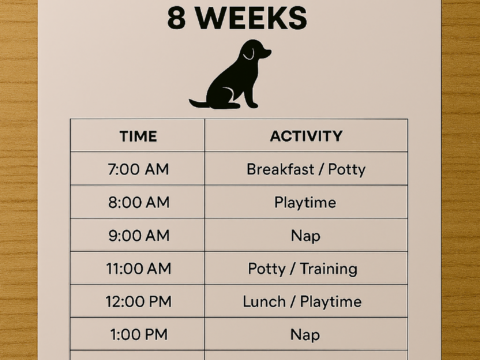
Set fixed times for everything: meals, water, play, and potty breaks. Feed your puppy three to four small meals daily at consistent hours, and take them out immediately after eating, drinking, waking from naps, and playing. Young puppies (under 12 weeks) need trips every 30-60 minutes when awake, scaling up as they age. Use a timer if needed—this predictability teaches them when and where to go, cutting accidents dramatically from day one.
Master Close Supervision
Constant watching is your fastest defense against indoor messes. Keep your puppy leashed to you indoors, use baby gates for small safe zones, or tether them nearby during active hours. Watch for pre-potty signs like sniffing, circling, whining, or sudden stillness, and rush them outside at the first hint. No free roam until they prove reliability; this “no accidents” approach speeds learning by eliminating wrong habits before they form.
Use Crate Training Effectively
A properly sized crate leverages a puppy’s instinct to stay clean in their sleep space. It should allow standing, turning, and lying down only—no extra room for corner peeing. Crate after play or meals, and always take them straight out upon release. Start with short, positive sessions (treats inside, door open), building to naps and nights. Combined with frequent outs, this can have many puppies holding overnight by 12-16 weeks.
Pick One Potty Spot
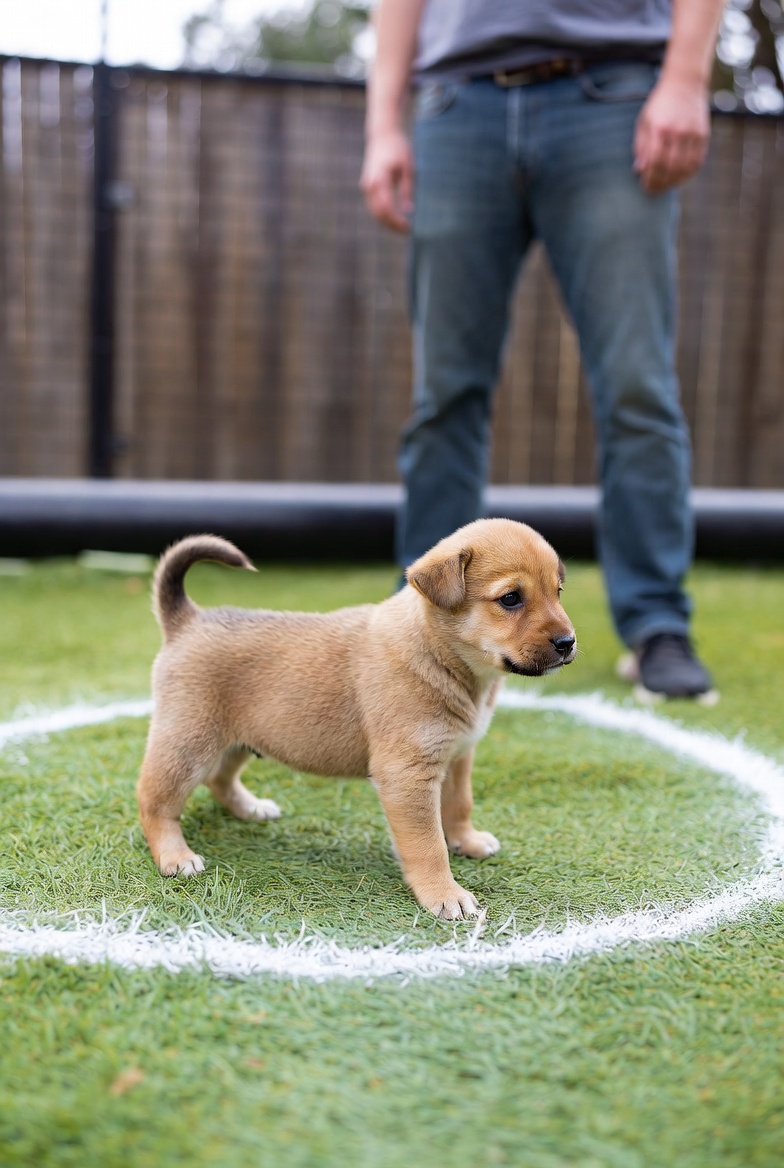
Choose a single outdoor area with grass or dirt, and always lead your puppy there on leash. Stand quietly for 3-5 minutes, saying nothing exciting, so they focus on business. Sniffing reinforces the spot’s purpose via scent. Praise wildly and treat within seconds of them finishing—high-value rewards like tiny chicken bits make it unforgettable. Stick to this spot religiously at first; generalization to other areas comes later.
Reward Like It’s a Jackpot
Positive reinforcement is the accelerator. Use a marker word like “yes!” the instant they start peeing outside, followed by a party of praise, multiple treats, or brief play. Make rewards bigger than any indoor accident consequence. Early on, reserve jackpot treats only for potty success to create a clear link. This enthusiasm turns “outside = amazing” into instinct quickly.
Catch and Redirect Accidents
If you catch them mid-stream, calmly say “outside” and scoop them up (no yelling) to finish in the right spot, then reward completion. Never punish after the fact—dogs can’t connect scolding to past actions and may hide to potty. Clean messes with enzymatic cleaners to erase odors that invite repeats. Focus on prevention; caught-in-act redirects reinforce the outdoor rule without stress.
Incorporate a Potty Cue
Speed up reliability with a verbal signal. As your puppy squats outside, softly say “go potty.” Over repetitions, they’ll associate the words with the action. Later, use it proactively: “go potty” on command hastens results during timeouts or bad weather. Pair with the spot routine for double impact.
Handle Nighttime Training
Set alarms for proactive breaks: every 2-3 hours for 8-week-olds, stretching as they succeed. Carry or leash-walk sleepily outside, minimal talk, quick praise if they go, then back to crate. No play or lights—keep it business. Most puppies sleep through by 4 months with this method, avoiding cry-wait accidents.
Troubleshooting Common Setbacks
Regressions? Tighten supervision and frequency. Submissive peeing during greetings? Ignore until calm, then low-key praise outside. Marking indoors? Neuter timing and scent elimination help, but revert to puppy rules. Medical issues like UTIs mimic poor training—vet check if accidents surge with straining or blood.
Scale Up as They Succeed
Once accident-free for two weeks, gradually extend freedom: add rooms, longer unsupervised crate times, fewer daytime outs. Fade treats to variable rewards, but always praise. Full reliability means 6+ months for some, but basics lock in weeks with diligence. Quick methods work because they prioritize prevention and positivity over punishment.